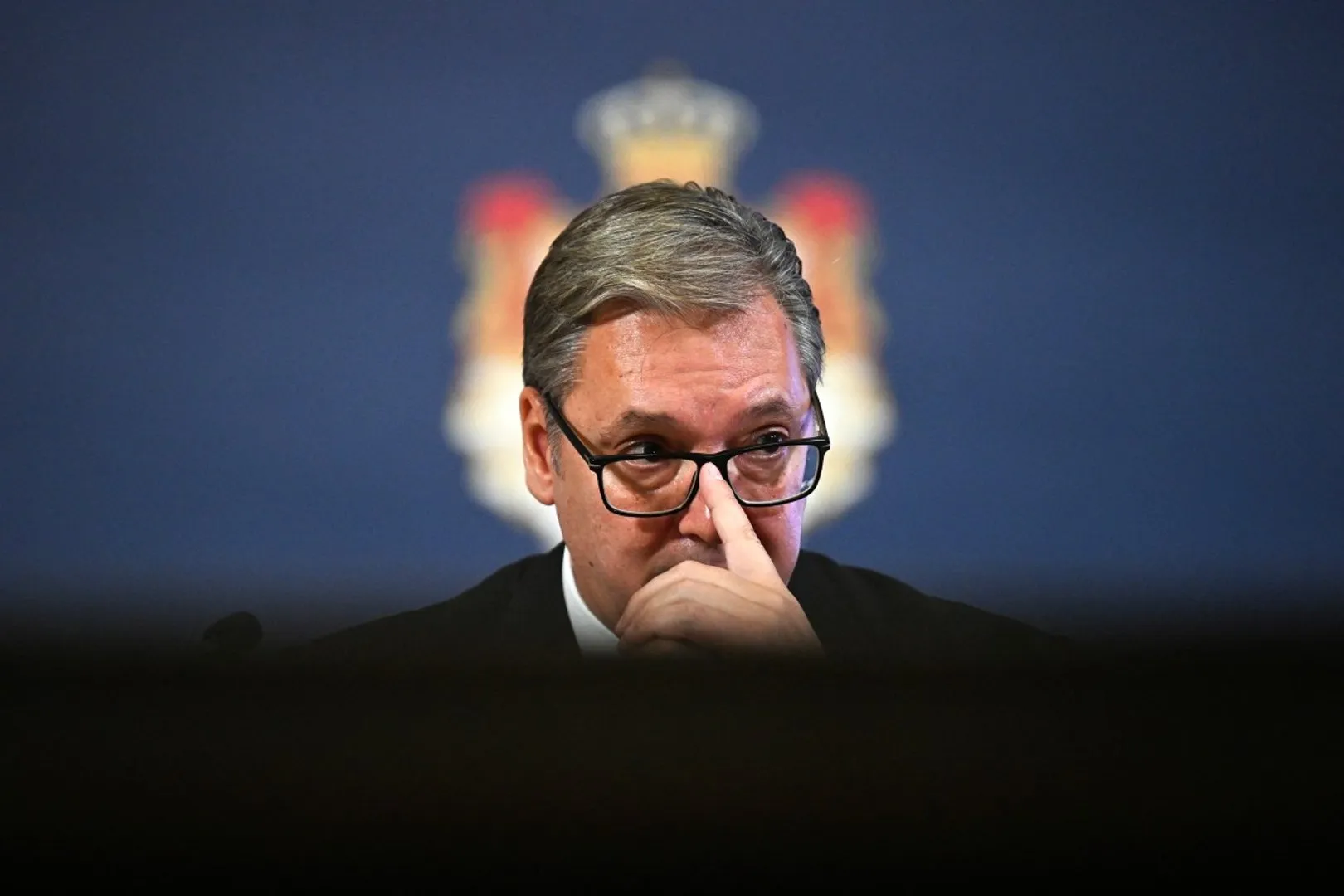
Frederiksen secures third term as Denmark forms minority coalition
Mette Frederiksen’s new government holds 82 of 179 parliamentary seats, relying on external support from leftists and greens to navigate a splintered legislature.
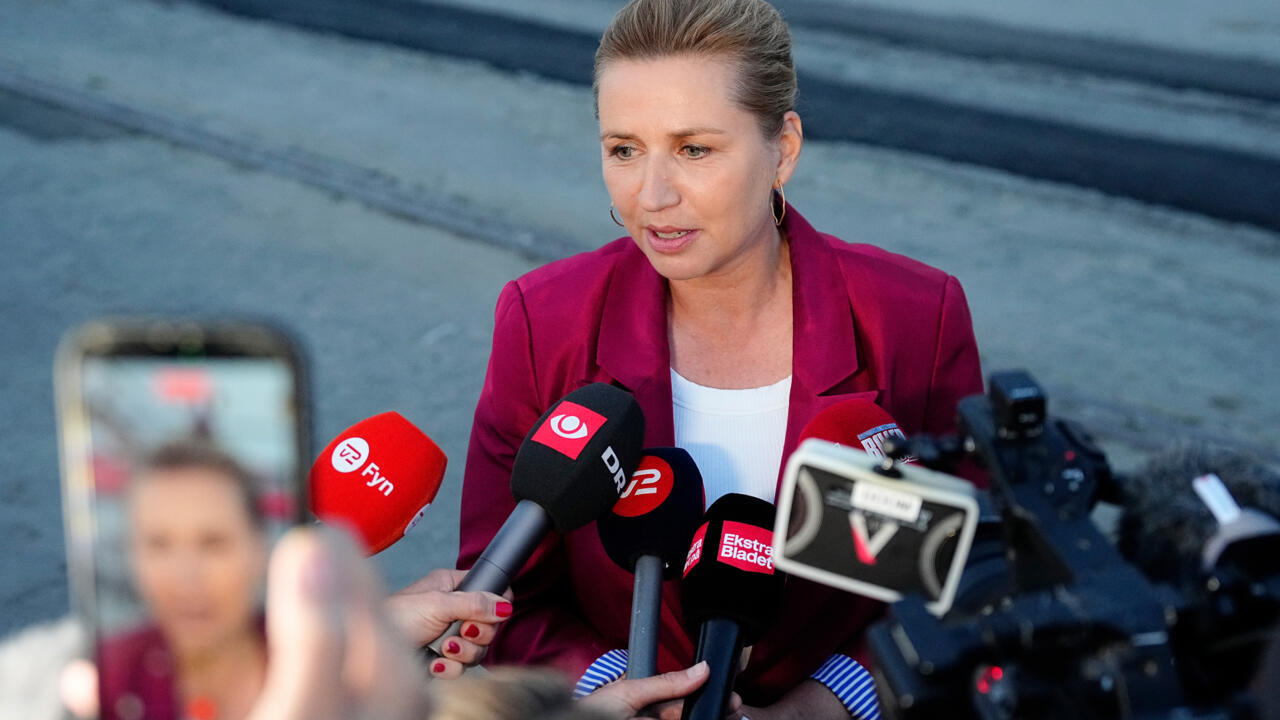
Denmark’s Prime Minister Mette Frederiksen has secured a third term in office by forming a new left-leaning minority coalition government. The agreement, reached after more than 60 days of negotiations and a two-month political deadlock, unites the Social Democrats, the Socialist People's Party, Radikale Venstre, and the Moderates. Together, these four parties hold 82 of the 179 seats in parliament, constituting a slim majority.
Frederiksen announced the formation of the cabinet on Monday following a meeting with King Frederik X. The breakthrough concludes a protracted period of talks involving 12 parties, including failed attempts by the liberal Venstre party to establish a rival administration. Frederiksen described the outcome as the result of long negotiations, stating that the new government would present its political programme on Tuesday and the full cabinet on Wednesday.
The election campaign was dominated by debates over industrial pork farming, described as a highly polluting but booming industry. Frederiksen emphasised that the government’s programme would benefit current residents, future generations, and animals. Despite the focus on agricultural policy, the Social Democrats recorded their weakest electoral score since 1903, securing 38 seats, though they remained the largest party in the parliament.
Neither the left nor the right bloc won a majority in the inconclusive general elections held on 24 March, resulting in a splintered legislature. Media reports indicate that a separate alliance of leftists and greens may support the new coalition, although this support remains speculative rather than a confirmed formal agreement. The traditional far-right Danish People's Party more than tripled its vote share to nine per cent, while three anti-immigration groups combined to garner 17 per cent of the vote.
Frederiksen, aged 48, enters this new term with international experience, having previously confronted US President Donald Trump in January regarding threats to take over Greenland, an autonomous Danish territory. The new administration now faces the task of governing with a minority mandate in a parliament where the populist right has maintained a stable presence of 17 per cent for the past two decades.