Frankfurt airport malaria outbreak claims three lives
Public health authorities attribute the cluster of cases to "airport malaria," a rare transmission event where infected mosquitoes arrive via luggage.
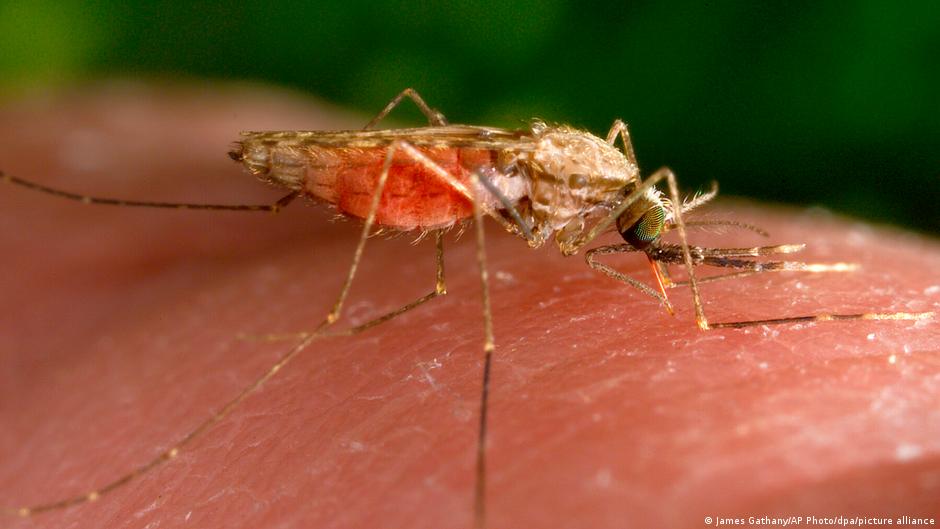
Eight individuals have contracted malaria in the vicinity of Frankfurt Airport in central Germany since July, with three of the affected persons confirmed dead. The majority of the cases involve employees of the airport operator, Fraport. The Frankfurt Public Health Department has attributed the outbreak to "airport malaria," a phenomenon where a female Anopheles mosquito carrying the malaria parasite travels by aircraft from an endemic region to a non-endemic one, subsequently biting a local resident.
The specific strain involved is malaria tropica, also known as Plasmodium falciparum, which is identified as the most dangerous and potentially life-threatening form of the disease. Experts indicate the parasites likely arrived in a passenger’s luggage or clothing, with the mosquito surviving in warmer areas of the airport. Achim Hörauf, director of the Institute for Medical Microbiology, Immunology and Parasitology at Bonn's University Hospital, noted that this is a very rare occurrence rather than a new frequent disease in Germany.
According to the Robert Koch Institute, the last documented case of airport malaria in Germany prior to the current outbreak was in 2023. Typically, malaria cases in Germany are imported by individuals returning from long-haul trips to endemic regions. However, in this instance, the local transmission event has prompted specific public health responses. The Frankfurt Public Health Department has advised residents and workers near the airport to seek immediate medical attention if they experience flu-like symptoms such as sudden high fever, chills, headaches, or muscle pain.
Rapid diagnostic tests and blood tests are available to confirm the presence of the parasite in human blood. The Robert Koch Institute recommends that treatment take place at a hospital with expertise in tropical medicine. Without treatment, approximately 20% of those affected by malaria tropica may die, though timely diagnosis allows for targeted treatment.
As autumn approaches and temperatures cool, particularly at night, conditions become less favourable for mosquito survival and parasite transmission. However, experts warn that further cases remain possible due to the parasite's incubation period, which ranges from seven to 15 days. This means symptoms can appear more than two weeks after the initial mosquito bite.
The primary challenge for public health officials is ensuring that individuals consider malaria as a possibility even if they have not travelled abroad. While the risk is deemed low with the onset of cooler weather, the potential for delayed symptom onset requires continued vigilance among those living and working near the airport.