France’s summer shutdown: The institutional reality of 30 days paid leave
A recent France 24 segment highlights how statutory leave entitlements reshape national activity levels during July and August.
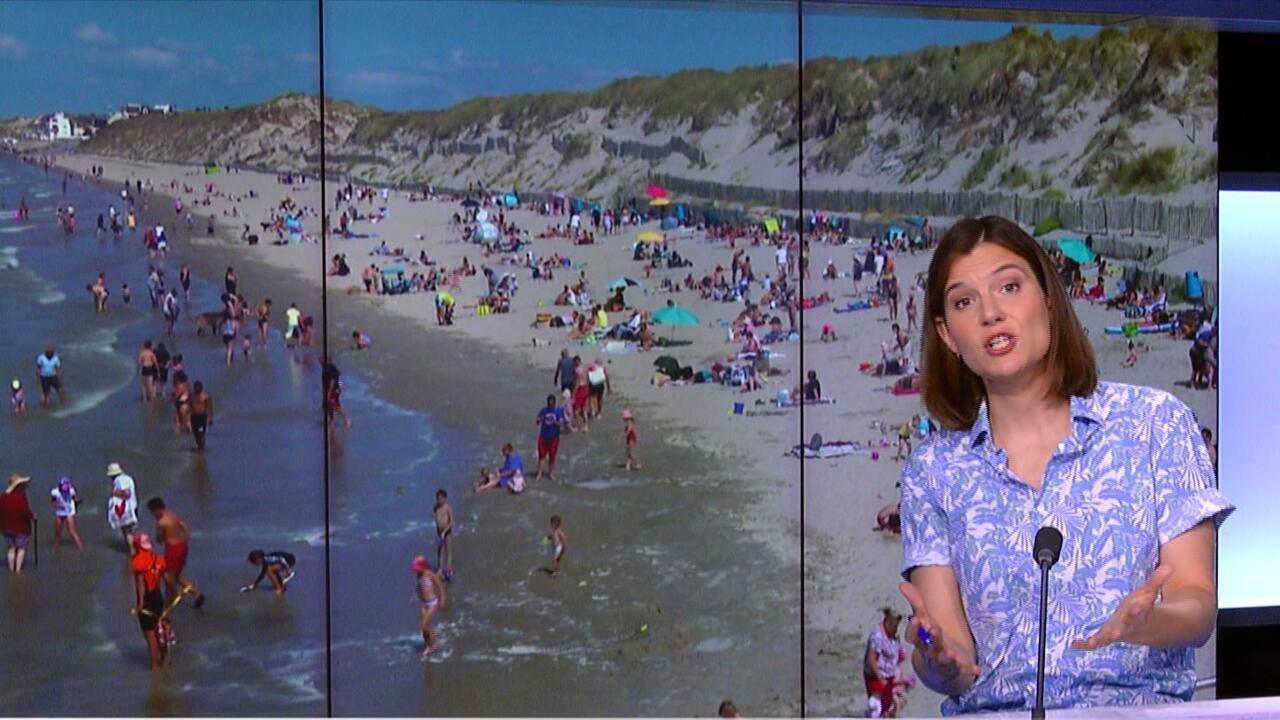
France 24 has released a segment titled "Vacation nation: Preparing for a French summer holiday," which examines the cultural and structural phenomenon of French summer breaks. The report underscores that French employees are legally entitled to a minimum of 30 days of paid leave annually. This statutory baseline, known as congés payés, forms the foundation of a labour culture that significantly alters the rhythm of national life during the summer months.
The segment notes that during July and August, the country effectively shuts down due to the widespread utilisation of this leave. This period represents a distinct shift in governance and economic activity, as citizens exercise their right to time off. The report investigates the underlying reasons for this tradition and how individuals manage their allocated leave, framing it as a central component of French civic life rather than merely a leisure activity.
While the phrase "virtually shuts down" suggests a near-total cessation of activity, it is important to treat this as a descriptive generalisation. Essential services and specific industries continue to operate, albeit at reduced capacity in certain sectors. The legal minimum of 30 days is a baseline; actual entitlements may be higher depending on collective bargaining agreements or individual employment contracts, which can further extend the duration of reduced activity in various workplaces.
The France 24 analysis positions the congés payés not just as a benefit, but as an established component of French labour law and culture. The widespread adherence to this schedule during the mid-year period creates a predictable pattern of national downtime. This structural approach to leave management distinguishes the French model from other jurisdictions, where holiday usage may be more fragmented or less culturally entrenched.
As the summer cycle continues, the focus remains on how this institutionalised leave impacts the broader social and economic landscape. The report serves as a reminder that the French summer break is a regulated, legally protected phenomenon that shapes the country’s operational tempo. Understanding this framework is essential for any analysis of French governance, labour relations, and cultural norms.