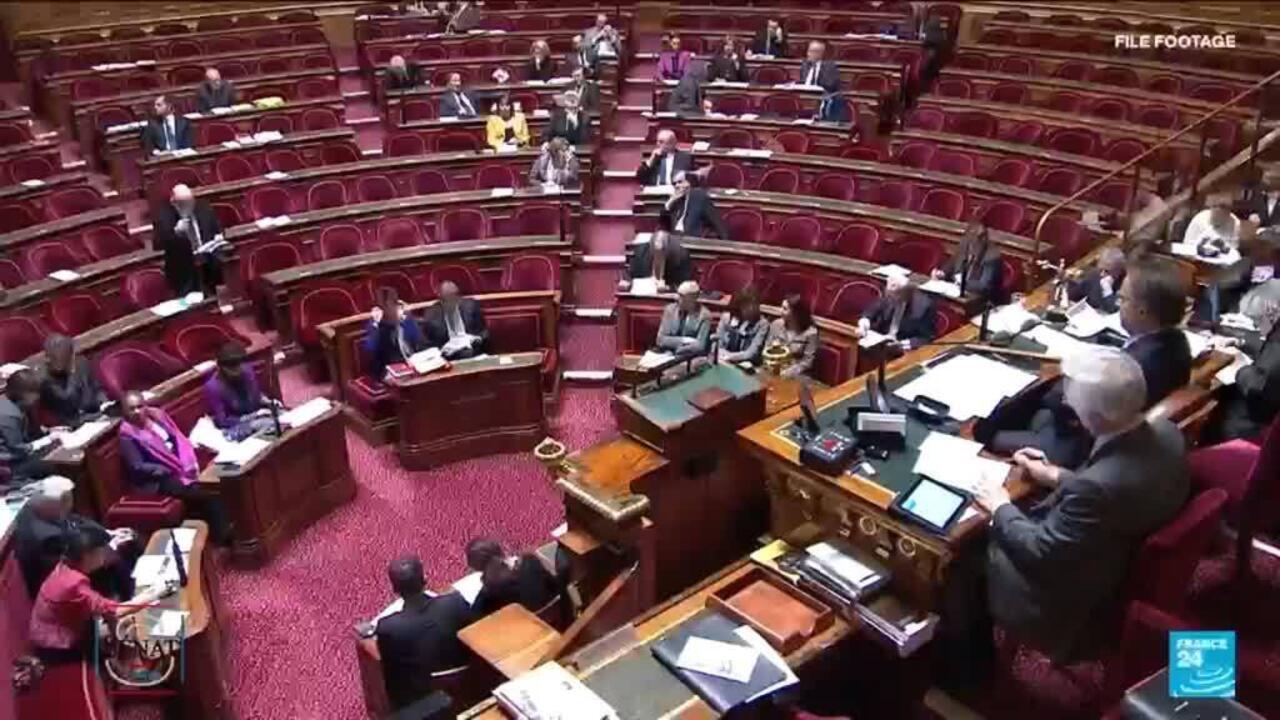
France’s lower house votes to repeal slavery-era Code noir
As the bill moves to the Senate, debate continues over whether the state should address historical harms through financial redress or focus solely on formal recognition.
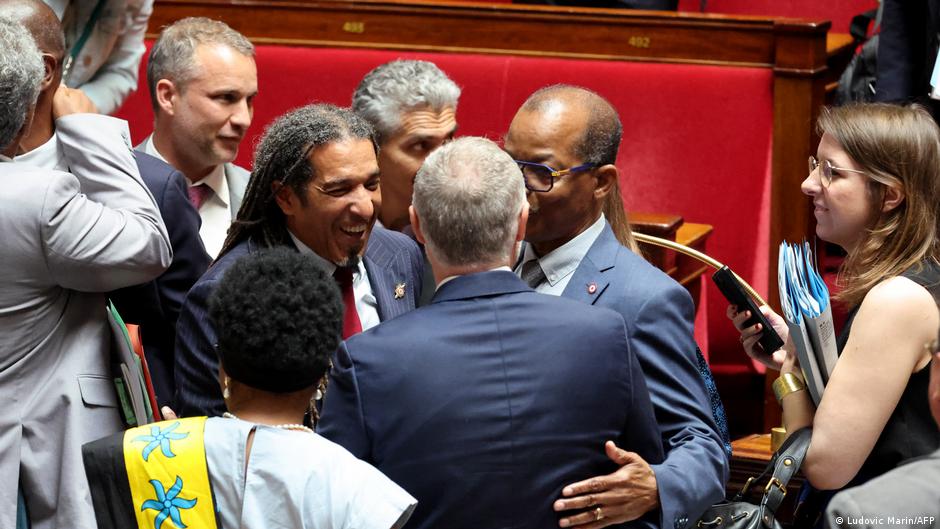
French lawmakers in the lower house, the Assemblee Nationale, have unanimously voted to formally repeal the 'Code noir', a series of royal edicts issued between 1685 and 1724 that established the legal framework for slavery in French colonies. The legislation, which defined enslaved people as "movable property" and permitted corporal punishment, was never formally abrogated when France abolished slavery for the final time in 1848 or when it recognised the slave trade as a crime against humanity in 2001.
All 254 parliamentarians present in the lower house voted in favour of the repeal. The motion, however, stops short of implementing reparations, a demand supported by some lawmakers but opposed by others who argue against holding the modern state responsible for historical crimes. The bill now proceeds to the Senate for further debate, where it is expected to pass as a formality.
If adopted, the legislation will require the government to report to parliament on the consequences of colonial law, the lasting effects of slavery on racism and discrimination in French society, and how the history of slavery is taught in schools. Max Mathiasin, a centrist member of parliament from Guadeloupe, stated that the proposal aims to take a "powerful act of remembrance, justice and recognition" rather than erase history or single-handedly heal its wounds.
The question of reparations remains a contentious point within the political debate. French President Emmanuel Macron has lent his support to the motion and raised the subject of reparations, though he has not made concrete proposals. Greens lawmaker Steevy Gustave described the vote as personal, referencing his great-grandmother who was born into slavery, while former Martinique president Serge Letchimy has called for a law that acknowledges the lasting historical, cultural, and economic harm caused by trafficking.
Opponents of financial redress argue that it is problematic to hold modern institutions accountable for historical crimes. Mathiasin expressed concern that the more contentious issue of reparations might "weigh down" the less disputed notion of striking the Code noir from the legal record. Meanwhile, Marcellin Nadeau, a left-wing MP from Martinique, argued that fighting for reparations is the "essential question," noting that more than half of the Assemblee Nationale members did not vote on the issue.