France repeals colonial-era Code Noir as reparations debate intensifies
President Emmanuel Macron frames the repeal as a necessary correction to historical oversight, while experts argue the move commits the state to no tangible action on racial disparities or economic justice.

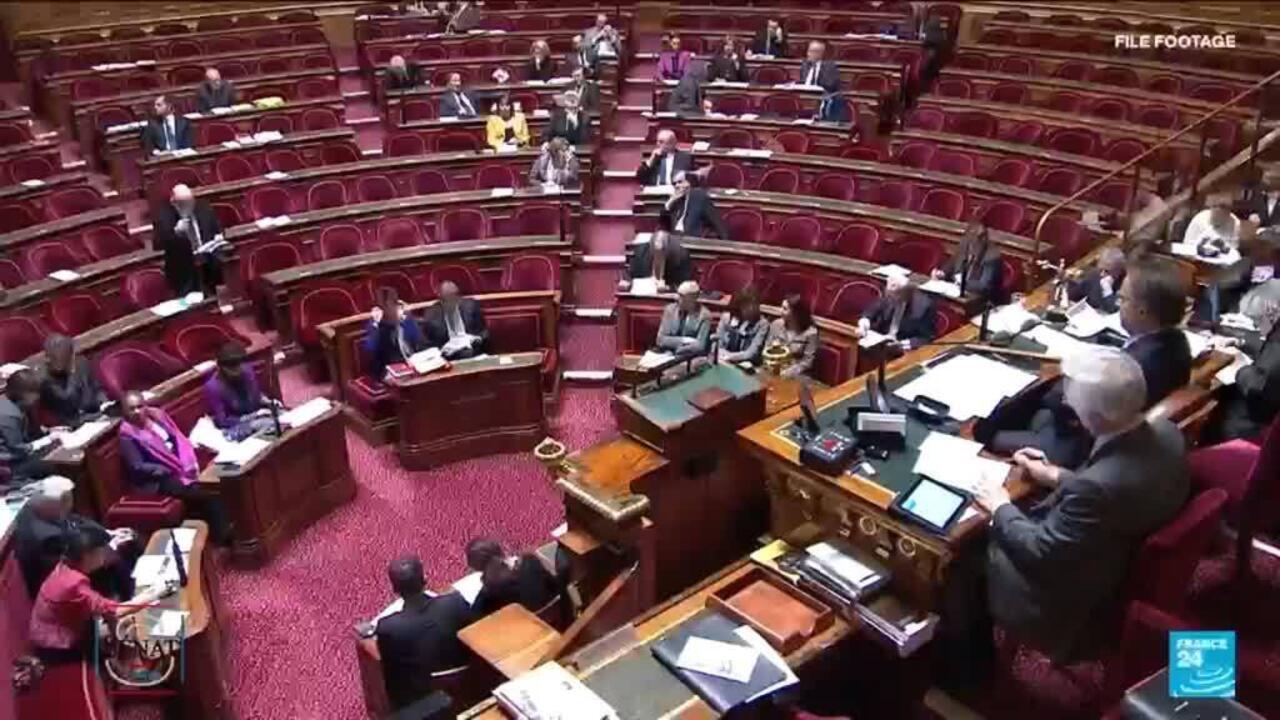
French lawmakers have voted unanimously to repeal the Code Noir, a 1685 decree issued by King Louis XIV that regulated slavery in French colonies. The National Assembly passed the bill with a vote of 254-0 on Thursday, marking the first formal rescission of the law in nearly two centuries. Although France abolished slavery in 1848, the Code Noir remained on the statute books, classifying enslaved people as movable property and permitting severe physical punishment. President Emmanuel Macron described the law’s continued existence as a “form of offence” and stated that the silence surrounding it for nearly two centuries was no longer an oversight.
The bill was proposed by Max Mathiasin, a lawmaker from Guadeloupe, who revealed he had purchased copies of the text over the years but had never read it in full until recently. Mathiasin described the vote as a means of restoring the humanity of his ancestors and upholding the Republican promise of liberty, equality, and fraternity. He noted that despite the overseas departments being full French citizens since 1946, systemic disparities persist, with unemployment rates roughly double the mainland average and significant portions of households in territories like Mayotte living below the national poverty line.
On the 25th anniversary of the Taubira law, which made France the first country to classify the slave trade as a crime against humanity, Macron addressed the question of reparations. He stated that France “must not refuse” the issue but warned against making “false promises.” Macron defined repair primarily as truth-telling, education, and historical work rather than financial compensation. This stance follows France’s abstention on a recent UN General Assembly vote calling the trans-Atlantic slave trade the gravest crime against humanity, a move that has drawn criticism from opponents who view the President’s conduct as inconsistent with his stated pan-Africanist views.
Critics argue that the repeal is a symbolic gesture that commits the state to nothing tangible regarding systemic racism or economic disparities. Pierre-Yves Bocquet of the Foundation for the Memory of Slavery described the Code Noir as the birthplace of France’s “colonial exception,” a principle allowing the suspension of the Republic’s founding rights for those under its rule. Bocquet argued that this principle outlived the empire, with the state insisting that overseas departments are treated equally despite evidence of fewer rights and continued economic marginalisation.
For slavery expert Florence Alexis, the repeal is a minor step compared to the 2001 Taubira law, which she argues was the true turning point in acknowledging historical crimes. Alexis noted that racism remains the legacy of slavery itself, citing ongoing discrimination in public life. She suggested that the current government’s approach allows authorities to perform symbolic acts without addressing the structural inequalities that persist in the overseas territories, leaving the question of whether the repeal will lead to substantive change unresolved.