France pivots to youth diplomacy and diaspora investment ahead of Nairobi summit
Deputy Minister Éléonore Caroit outlines a strategic shift from postcolonial influence to reciprocal partnerships grounded in local expertise and human capital
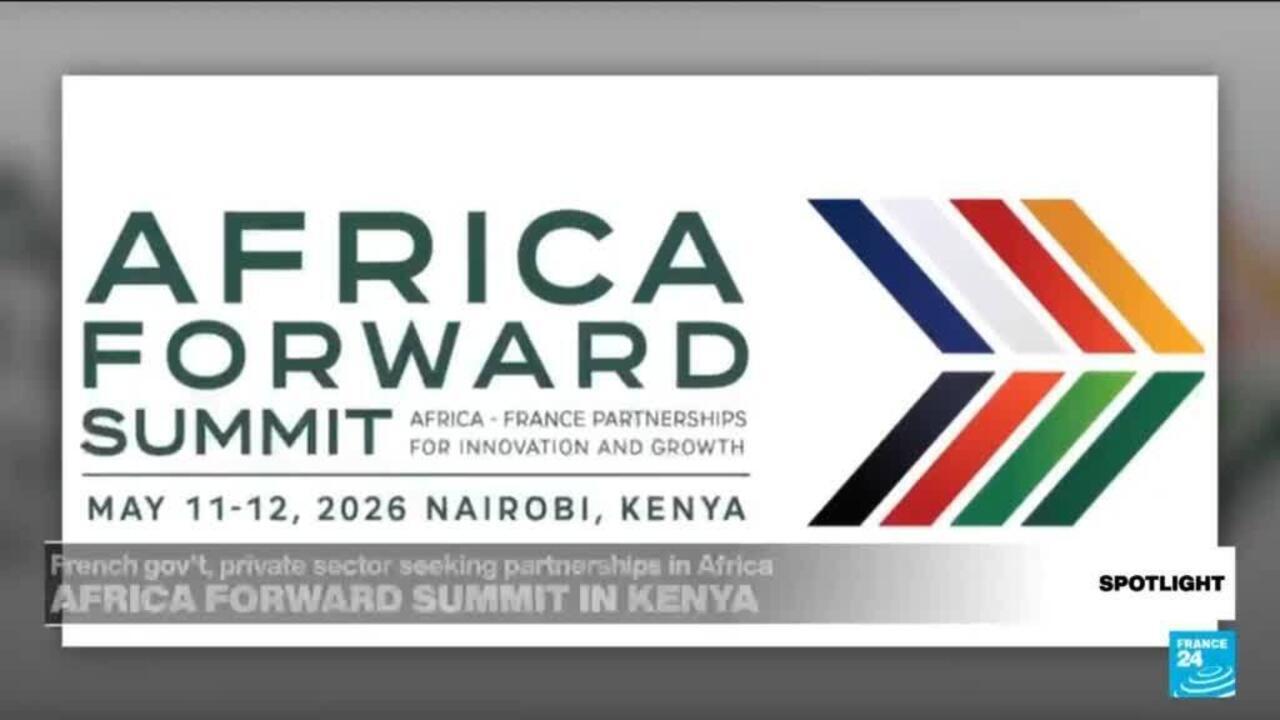
Ahead of the Africa Forward summit in Nairobi, France is positioning itself to redefine its continental engagement through a policy framework centred on youth, innovation, and balanced equality. Deputy Minister for Francophonie, International Partnerships, and French Citizens Abroad, Éléonore Caroit, has articulated a diplomatic vision that seeks to move beyond historical postcolonial influence toward reciprocal partnerships. This strategic pivot marks a deliberate effort by Paris to transform its relationship with the entire African continent, explicitly stating that these new initiatives are not limited to former colonies but represent a forward-looking approach.
In addressing the ongoing tensions regarding France's military presence, Caroit reframed the recent expulsions from Mali, Niger, and Burkina Faso as anomalies rather than a systemic rejection of French cooperation. She noted that these three nations represent only a small fraction of the continent, arguing that the vast majority of African countries actively seek French partnership in critical sectors such as education, mobility, and infrastructure. This narrative aims to decouple the broader diplomatic relationship from the specific security crises in the Sahel, presenting the situation as a manageable divergence rather than a continental collapse of influence.
A central component of this new strategy involves leveraging the French diaspora as a unique strategic asset, a resource Caroit asserts China does not possess. The French government is highlighting the comparative advantage of transferring local expertise and know-how through diasporic investment, remittances, and business innovation. This approach contrasts sharply with the Chinese model, which Caroit characterised by its tendency to send mainland workforce rather than facilitating the transfer of local technical skills. By emphasising human and cultural interconnection over state power, Paris is attempting to project an image of renewal that relies on shared heritage and practical cooperation.
The diplomatic language employed by Caroit openly acknowledges the historical baggage of Françafrique while insisting on a generational transformation of French policy. She stated that contemporary France must look at its history right in the eye but stop being apologetic, instead moving toward pragmatic coexistence. This shift represents a move away from military presence toward youth diplomacy, aiming to establish a relationship grounded in growth and balanced equality. The upcoming summit in Nairobi serves as the primary platform to launch these initiatives, marking France's first major engagement in English-speaking Africa under this new strategic banner.
While the specific outcomes of the Nairobi summit remain to be determined, the pre-summit positioning suggests a significant recalibration of France's foreign policy priorities. The administration is eager to project an image of renewal, focusing on sectors where it believes it holds distinct advantages over competing global powers. By framing the diaspora as a driver of opportunity and contrasting its methods with those of China, Paris hopes to secure renewed engagement across the continent without being constrained by the legacy of its historical footprint.