France pivots to partnership model in East Africa diplomatic push
President Macron's tour of Kenya and Ethiopia aims to counter rising anti-French sentiment and shifting alliances
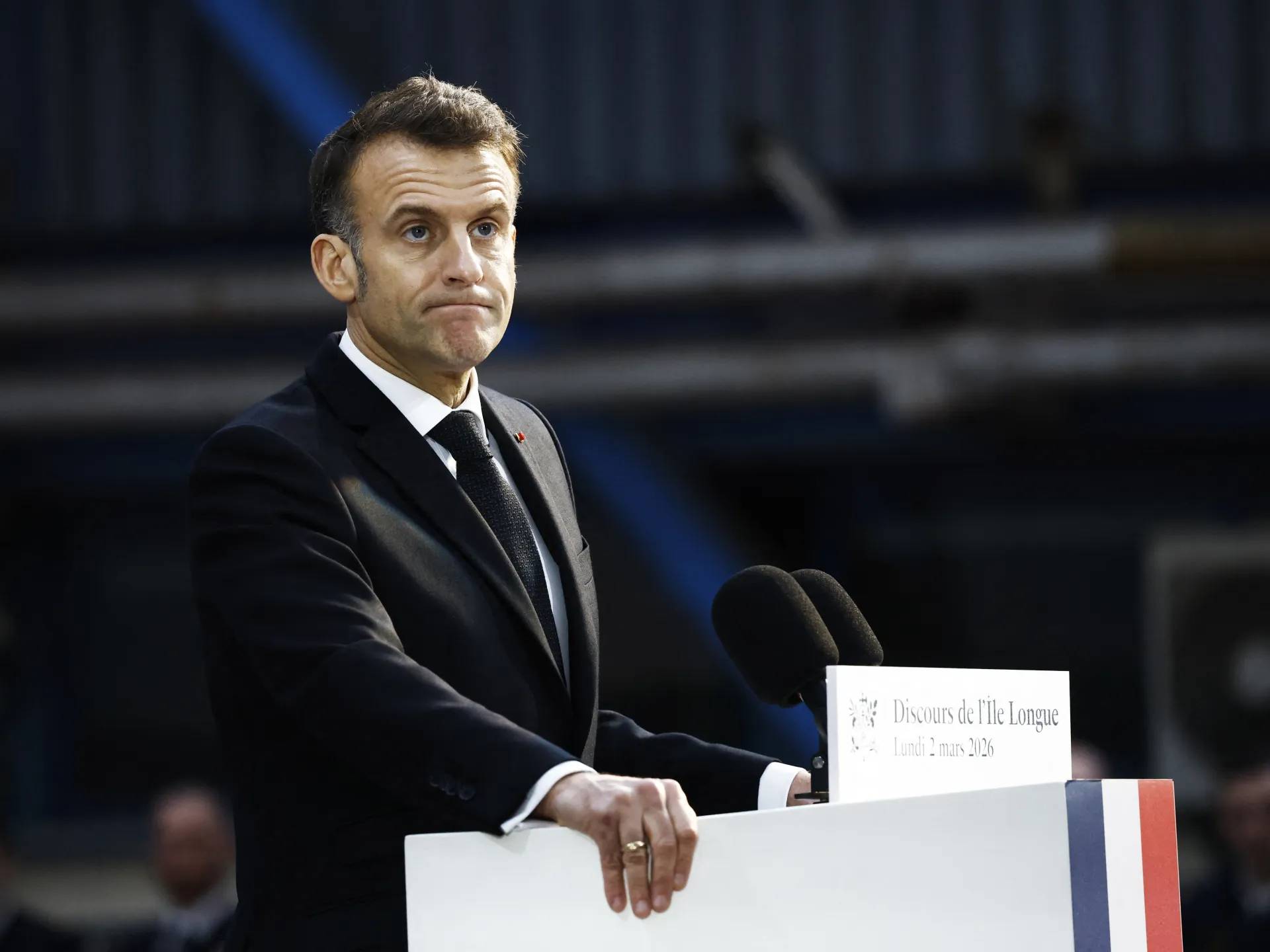
French President Emmanuel Macron has commenced a three-country tour of East Africa, beginning in Egypt and scheduled to visit Kenya and Ethiopia. The primary objective of this diplomatic mission is to repair economic and security ties while countering rising anti-French sentiment across the continent.
The itinerary includes hosting the Africa Forward summit in Kenya, the first such event Macron has attended in an Anglophone nation since taking office in 2017. This summit will feature agreements between French and Kenyan companies aimed at boosting commercial cooperation. Following this, the President will hold peace and security talks at the African Union headquarters in Addis Ababa.
This strategy represents a deliberate shift in France's Africa policy from a traditional postcolonial influence model to one focused on partnerships. The new approach emphasises cultural, educational, and youth engagement initiatives, alongside entrepreneurship and climate cooperation.
The tour is explicitly framed as a strategic response to the loss of dominance in Francophone Africa and the vacuum left by French military withdrawals in the Sahel region. Relations have deteriorated sharply in Mali, Burkina Faso, and Niger following military coups and the expulsion of French forces, who were viewed by local governments as ineffective.
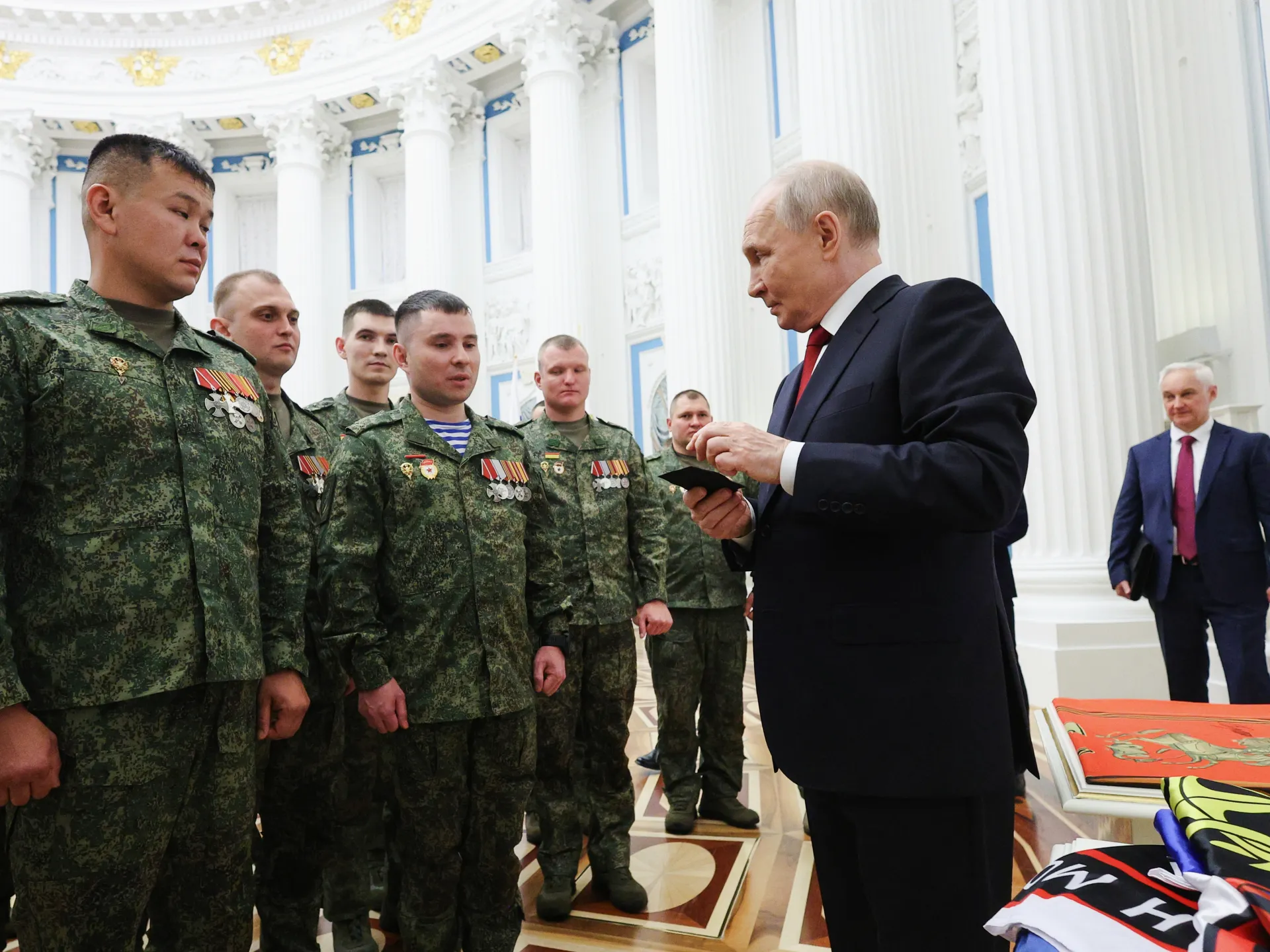
In the wake of French withdrawal, Sahelian military rulers have pivoted to new security partners, notably Russia and its Wagner Group successor networks, capitalising on anti-French sentiment. There is a broader continental push for more equal partnerships, tighter control over natural resources, and alliances beyond traditional Western powers.
While the specific outcomes of the Africa Forward summit regarding the number or value of agreements signed are not yet detailed, the mission underscores Paris's attempt to reinvent its postcolonial relationship with African states. Questions over its influence on the continent, however, persist as it seeks to compete with powers like China and Russia.