France pivots strategy with Africa Forward Summit in Nairobi, pledging $27bn investment
President Macron announces major capital injection for energy and digital sectors while urging reciprocal investment from African business leaders
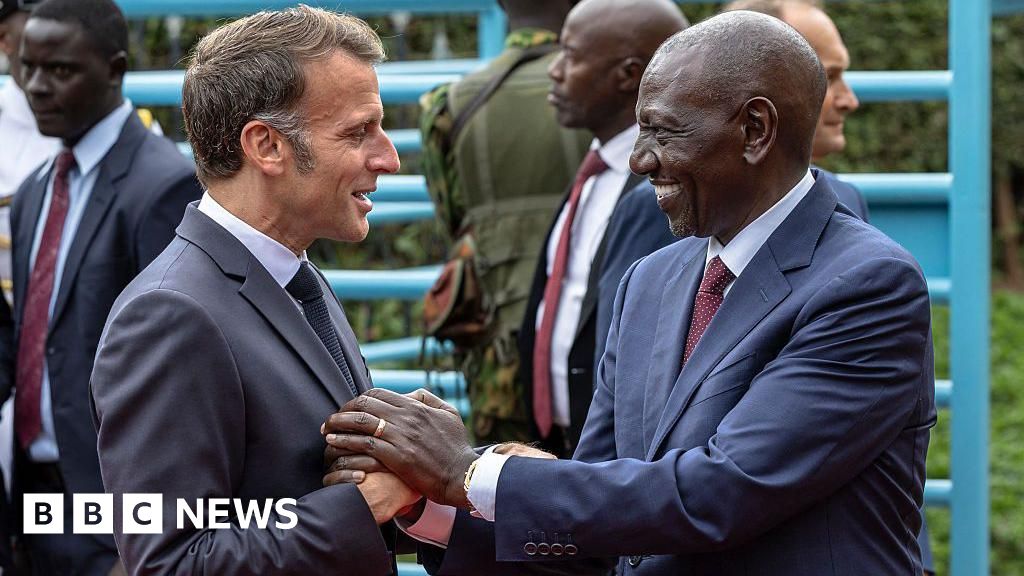
French President Emmanuel Macron has co-hosted the Africa Forward Summit in Nairobi, marking a significant departure from tradition as the first such gathering to take place outside a French-speaking nation. The event, held at the Nairobi Convention Centre, signals a strategic recalibration by Paris to broaden its partnerships across the continent. This shift occurs against a backdrop of rising anti-French sentiment in West Africa and the recent withdrawal of French troops from Mali, Burkina Faso, and Niger following military coups.
At the summit, Macron announced a commitment of $27bn in investment targeting the energy transition, digital infrastructure, artificial intelligence, the maritime economy, and agriculture. He emphasised that Africa, described as the world's youngest continent, requires capital to achieve greater sovereignty and self-reliance. Crucially, the French leader urged African business leaders to reciprocate by investing in France, framing the partnership as a mutual exchange rather than a one-way flow of resources.
Kenya has positioned itself as a diplomatic bridge-builder in hosting the event, with Foreign Minister Musalia Mudavadi highlighting the symbolic importance of the location. Mudavadi stated that holding the summit in an English-speaking country sends a clear message that international engagements should not be constrained by official language barriers or artificial linguistic divisions. This approach aims to foster proper integration and demonstrate that France is willing to engage with the continent on its own terms.
The summit attracted over 30 African leaders, including Nigerian industrialist Aliko Dangote, to discuss economic cooperation and peace. The gathering reflects a broader trend where France is repositioning its influence from military intervention to leveraging commercial brands, cultural presence, and its weight within the European Union. Analysts note that this strategy seeks to maintain relevance in a region where other powers, such as China and Russia, are increasingly gaining ground.
Despite the diplomatic overtures, the event was not without friction. Macron interrupted a side discussion on stage to address what he termed a "total lack of respect," requesting that attendees move to bilateral rooms. This incident drew mixed reactions on social media, with some viewing it as an overreach reminiscent of colonial lecturing, while others argued it was within the president's rights. The atmosphere underscores the complex and evolving nature of France-Africa relations.
Beyond the summit, Kenya and France have recently approved a five-year renewable defence agreement covering intelligence sharing, maritime security, and disaster response. Early conversations regarding nuclear energy co-operation are also underway as Kenya diversifies its long-term energy strategy. These developments suggest that while the military footprint of France has diminished in the Sahel, its economic and security ties with nations like Kenya remain robust and are being actively cultivated.