France moves to deport Palestinian activist Ramy Shaath citing public order threat
Lawyer Damia Taharraoui warns deportation order could be enforced immediately following May 21 committee hearing, noting legal barriers to return to Egypt or Palestine.
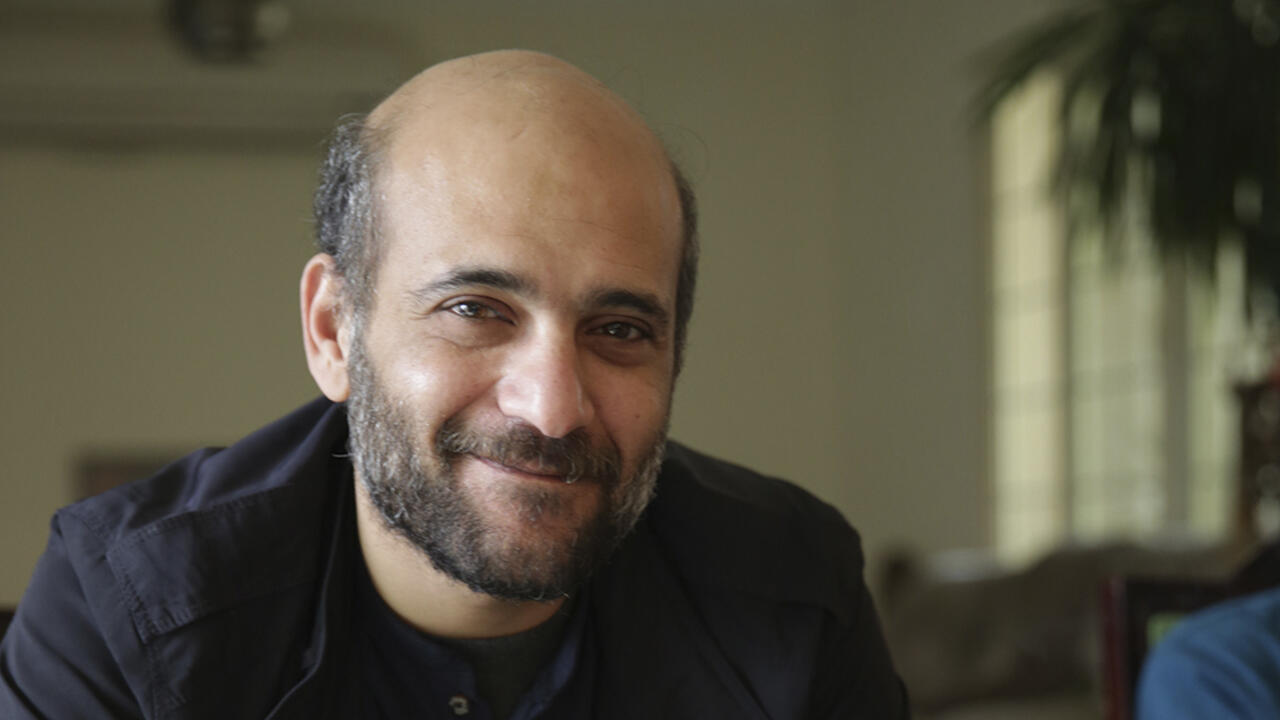
French authorities have initiated deportation proceedings against Palestinian activist Ramy Shaath, designating his presence in the country as a serious threat to public order. The Nanterre prefecture notified Shaath’s legal team on Friday of the intended action, citing his role as co-founder of the Urgence Palestine organisation and his involvement with other figures associated with the Palestinian cause.
Shaath, 54, was a prominent figure in Egypt’s 2011 uprising and served as coordinator for the local chapter of the Boycott, Divestment and Sanctions movement. He spent 900 days in detention in Egypt between 2019 and 2022 before being released and permitted to join his wife in France, a decision welcomed at the time by then-President Emmanuel Macron.
The prefecture’s notice references repeated controversial actions and remarks, specifically highlighting a November 2023 protest in Paris. During that demonstration, Shaath denounced what he termed Israel’s criminal occupation of Gaza and referred to Israeli forces as terrorists who bomb houses and hospitals. An investigation into the offence of defending terrorism regarding these comments was closed in October 2024.
Shaath’s lawyer, Damia Taharraoui, stated that following the committee hearing scheduled for May 21, the prefecture may immediately issue a deportation order enforceable at any time. Taharraoui noted significant legal complexities regarding potential destinations, stating that Shaath cannot be deported to Egypt due to a lack of nationality, nor to Palestine because of the ongoing war.
Shaath has maintained that his demonstrations have consistently called for an immediate ceasefire, sanctions, and international action against Israel. He told AFP that his stance has not changed since France facilitated his release from Egyptian prisons, asserting that the current proceedings appear designed to silence him. The Nanterre prefecture and the Interior Ministry did not immediately respond to requests for comment.