Trump brands New York Times Iran coverage ‘treasonous’ amid victory claim
Donald Trump has accused a New York Times journalist of treason for their reporting on the Iran war, while simultaneously asserting a US victory in the conflict.
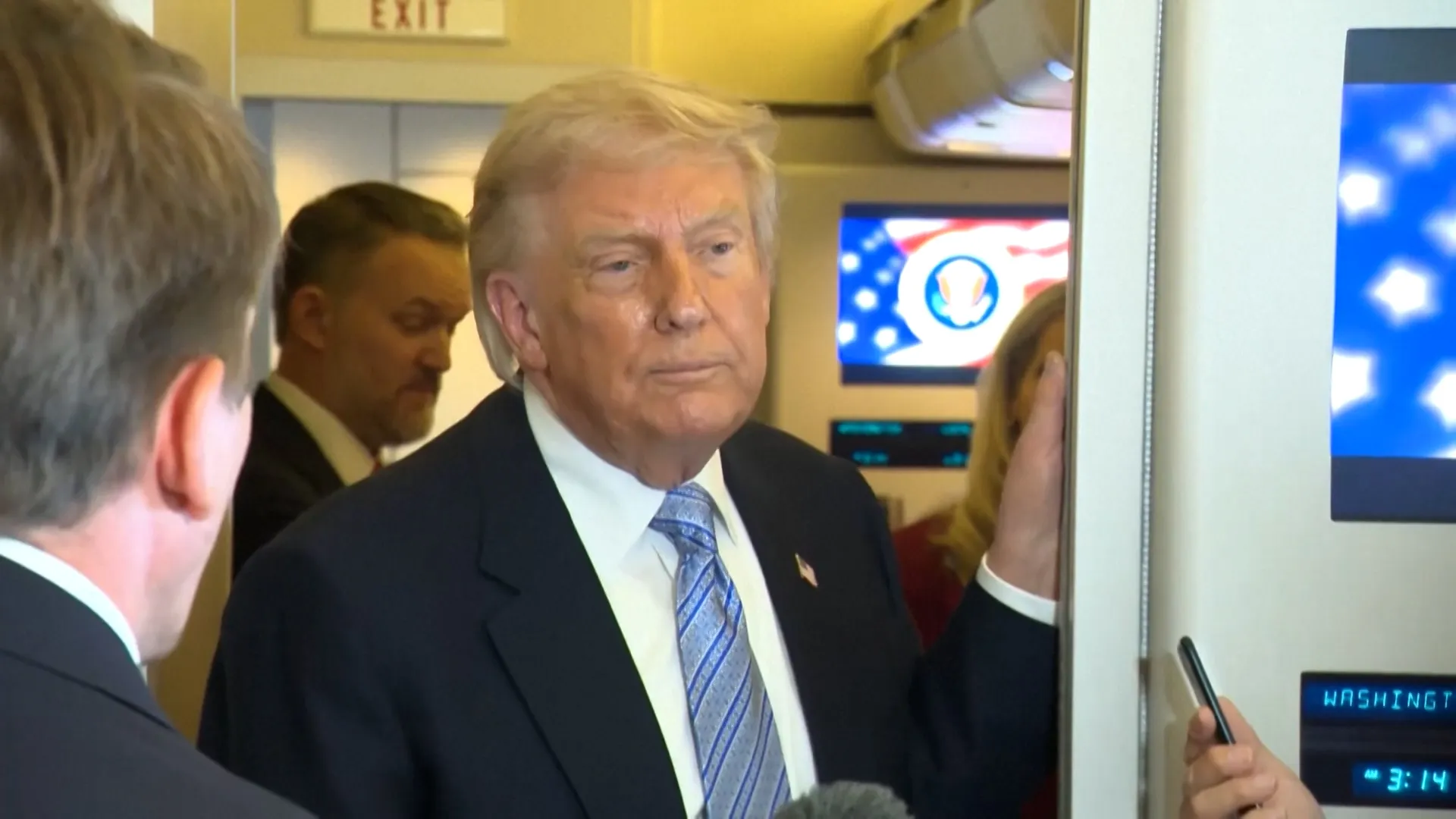
President Donald Trump has launched a sharp verbal attack on the New York Times, describing a journalist’s coverage of the Iran war as “treasonous”. The statement was issued concurrently with his assertion that the United States has secured a victory in the ongoing conflict, marking a significant escalation in his rhetoric regarding media coverage of military engagements.
The President’s comments highlight a growing friction between the administration and major news organisations over the framing of international security issues. By characterising specific reporting as treasonous, Trump has drawn a direct line between journalistic output and national security, a move that intensifies scrutiny on how the press reports on active geopolitical hotspots.
This incident occurs against a backdrop of complex diplomatic activity. Earlier this week, President Trump and Chinese President Xi Jinping concluded a two-day summit in Beijing, where discussions centred on trade relations, artificial intelligence regulation, and the escalating tensions surrounding Iran. The summit coincided with a rise in US stock markets, with major indices posting gains following regulatory approvals for semiconductor sales to Chinese firms.
Concurrently, the White House is managing high-profile diplomatic engagements closer to home. King Charles’s four-day state visit to the United States is proceeding as planned, with a private meeting between the monarch and President Trump scheduled to strengthen US-UK relations and commemorate the 250th anniversary of American independence. The juxtaposition of these diplomatic efforts with Trump’s aggressive stance on media coverage underscores the multifaceted nature of the current political environment.
Ethics filings from early 2026 have also placed Trump’s personal financial activities under the spotlight, revealing multi-million dollar acquisitions of technology stocks, including shares in Amazon, Meta, Oracle, Broadcom, Motorola, and Dell. While these disclosures detail significant equity movements, they remain separate from the immediate political fallout of his comments on the Iran war.
The specific identity of the New York Times journalist has not been disclosed in the source material, nor has the administration provided further details on the nature of the reporting deemed treasonous. Similarly, the precise parameters of the “victory” claimed by Trump remain undefined, leaving observers to interpret the extent of US objectives in the region.
As the administration navigates these domestic and international pressures, the clash over media narratives in Iran stands as a prominent indicator of the Trump presidency’s approach to information control and diplomatic messaging.