France formalises animal therapy unit at Ville-Evrard psychiatric hospital
The initiative, established in 2016 by Ermelinda and François Hadey, has gained official status within the French public health framework since 2022, employing dedicated nursing staff to support patients with emotional regulation and social interaction.
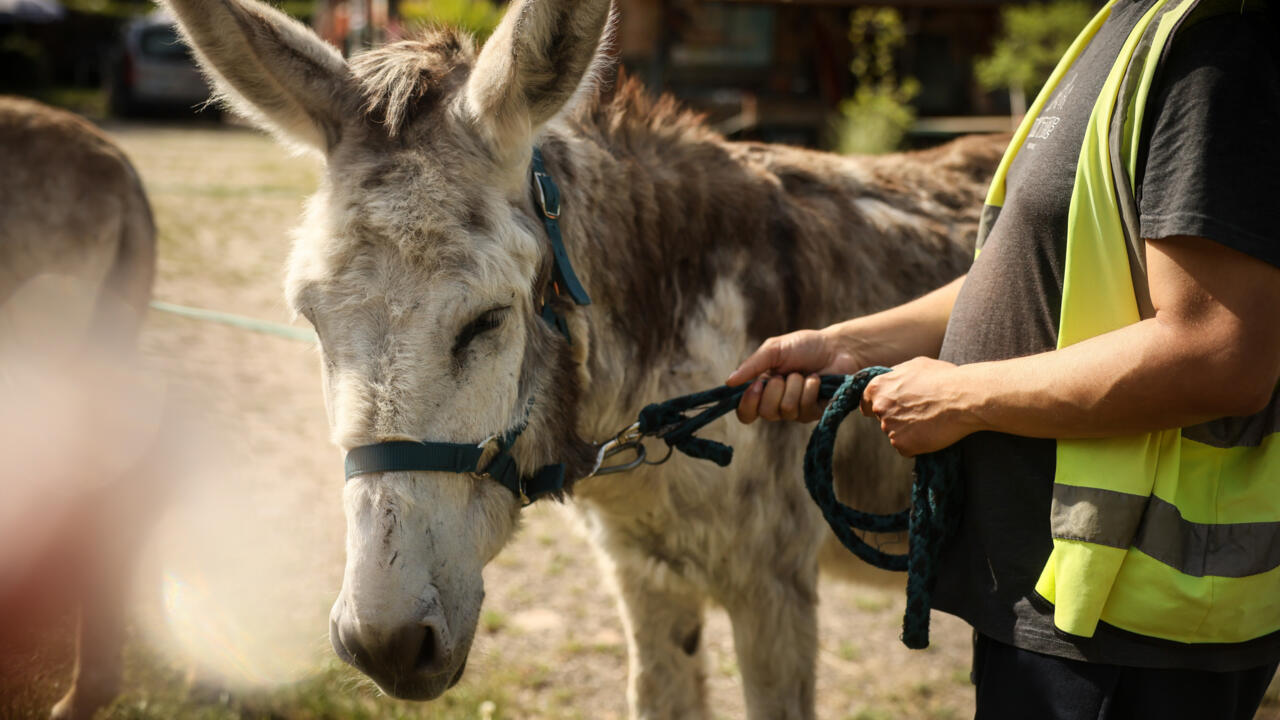
Patients at the Ville-Evrard psychiatric hospital in Neuilly-sur-Marne are utilising a therapy programme centred on donkeys, an initiative that has been formally recognised within the French public health system since 2022. The unit, which employs three full-time nurses, allows patients to engage in structured activities such as walking and grooming animals to improve emotional regulation, communication, and self-esteem.
The programme was launched in 2016 by Ermelinda and François Hadey, a psychiatric nurse and her husband who trained the animals for therapeutic work. Since gaining official status, the unit has expanded its roster to include guinea pigs, chickens, doves, goats, turtles, and rabbits, with smaller animals occasionally brought to hospital rooms to accommodate patient needs.
Participants are paired with specific donkeys, including Nono, Pitou, Oscar, Manolo, and Malraux. Staff report that the animals serve as mediators, helping to reduce loneliness and motivate patients who may struggle with intensive medical treatments such as antipsychotics or sedatives. The sessions are funded by the public health system and provided free of charge to patients.
Ermelinda Hadey emphasised that the programme does not replace medical prescriptions but aims to help patients regain confidence and self-worth. She noted that activities such as feeding and hygiene maintenance for the animals create a mirror effect, encouraging patients to address their own eating habits and personal care.
While health workers observe daily benefits, Hadey called for more scientific evaluation to secure formal recognition from the psychiatric community as a complementary form of care. She highlighted that while caregivers witness the positive impact, doctors often lack the time to observe these interactions firsthand, necessitating further research to validate the therapeutic outcomes.