France faces judicial scrutiny over missing child case amid prior abuse allegations
The case of Lyhanna, who vanished near Fleurance in southwestern France, has intensified national debate on child protection systems, coinciding with broader legislative reviews following institutional scandals.
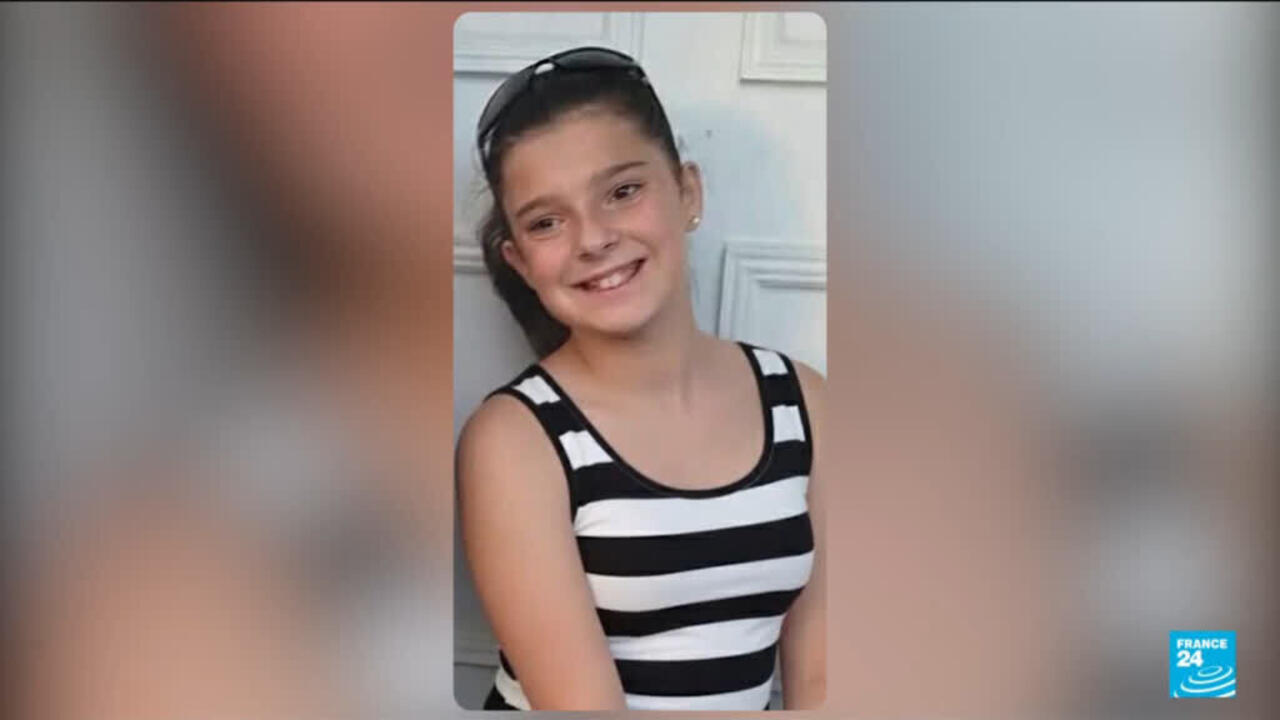
Outrage has erupted across France following revelations that the main suspect in the disappearance of an 11-year-old girl had previously faced repeated allegations of child abuse, yet no action was taken to protect other children. The case centres on Lyhanna, who went missing on Friday near the village of Fleurance in southwestern France after being last seen entering a man’s car.
The emergence of these prior allegations has triggered significant public concern regarding alleged judicial dysfunctions within the French legal system. Critics and concerned citizens are questioning why authorities failed to act on previous accusations against the individual now identified as the primary suspect in Lyhanna’s disappearance.
Lyhanna’s disappearance has occurred against a backdrop of heightened sensitivity towards child protection in France. The incident has added pressure to ongoing national debates regarding child protection legislation, which have been further intensified by a separate scandal involving abuse at a Catholic-run school in Bétharram.
While the specific details of the prior abuse allegations against the suspect have not been fully detailed in initial reports, the core of the public outcry remains focused on the systemic failure to intervene despite repeated warnings. This has led to calls for a thorough review of how such cases are managed and monitored by judicial authorities.
The case has been categorised under security topics by news aggregators, reflecting the serious nature of the allegations and the ongoing search for the missing child. As the investigation continues, the focus remains on both the immediate search efforts and the broader institutional questions raised by the suspect’s history.
The French government and judicial bodies are now facing increased scrutiny over their handling of child protection cases. The Lyhanna case serves as a focal point for discussions on whether current protocols are sufficient to prevent harm to children when prior allegations are known to authorities.