France and Spain Accelerate Fire Containment as Heatwave Threatens to Return
With meteorological forecasts predicting a return of high temperatures and dry conditions, governments are prioritising containment strategies to protect affected regions.
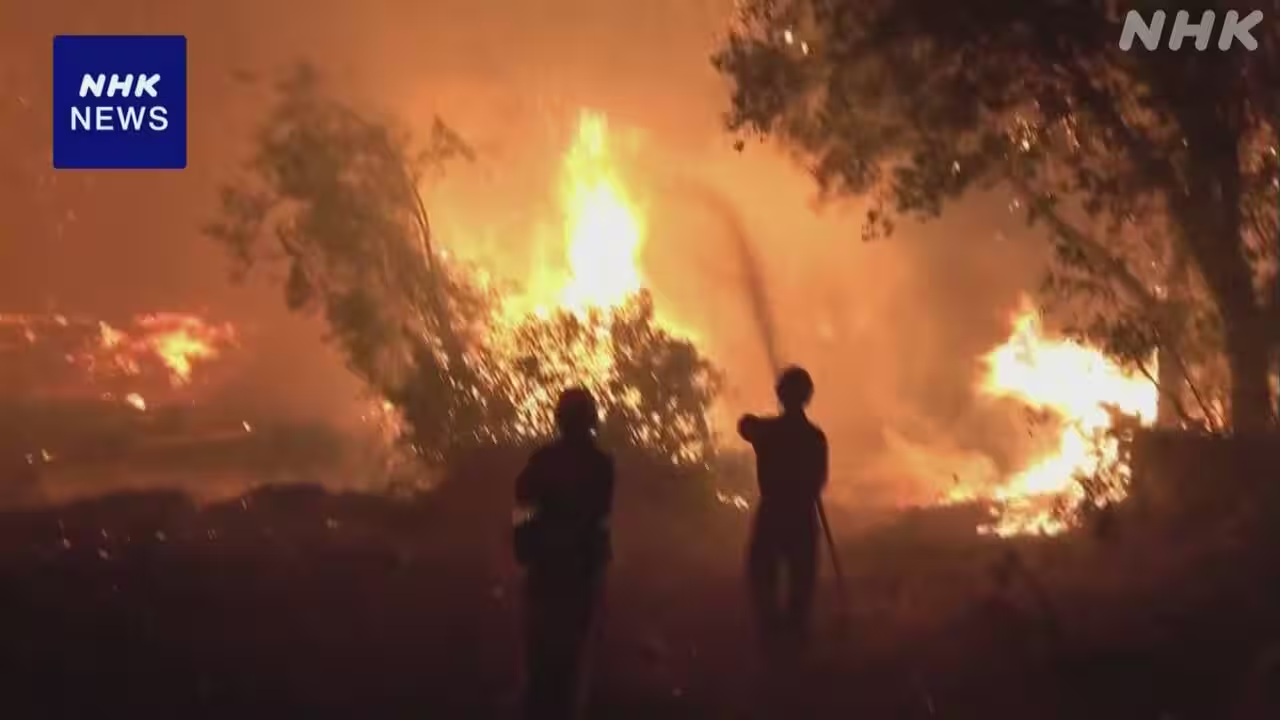
Wildfires that have persisted across France and Spain for over a week saw a marginal respite on 27 July, as local temperatures eased slightly. Despite this temporary cooling, authorities in both nations have moved to urgently implement containment measures to prevent the fires from spreading further. The acceleration of these efforts comes in direct response to meteorological forecasts indicating that high temperatures and dry conditions are set to return in the coming days.
The ongoing blazes, which began last week, have been driven by extreme heat and dry weather typical of the region during this period. While the immediate threat of escalation was temporarily reduced by the drop in temperatures, the anticipated return of arid conditions has prompted a shift in operational focus towards strict prevention protocols. Officials are working to secure fire lines and manage resources to mitigate the risk of renewed intensity.
Key locations identified in the affected areas include Bordeaux in south-west France and Madrid in Spain. Although the full geographical extent of the damage and the precise status of containment in all affected zones remain subject to ongoing assessment, the strategic focus remains on protecting these significant urban and rural hubs from further encroachment.
Political leadership in both countries is closely monitoring the situation. French President Emmanuel Macron and Spanish Prime Minister Pedro Sanchez are associated with the broader response efforts, reflecting the high-level governmental attention being paid to the crisis. The coordination between national authorities is critical as they navigate the logistical challenges posed by the persistent environmental stressors.
As the weather outlook deteriorates, the priority for emergency services and civil protection agencies is to stabilise the situation before the heat returns. The urgency of the current measures underscores the volatile nature of the disaster, with the potential for rapid escalation if the predicted dry conditions materialise without interruption.