France and Morocco cement strategic partnership amid shifting North African alliances
Following President Emmanuel Macron’s recognition of Moroccan sovereignty over Western Sahara, Paris and Rabat are deepening cooperation in defence, security, and advanced technology to counter growing geopolitical competition in the region.
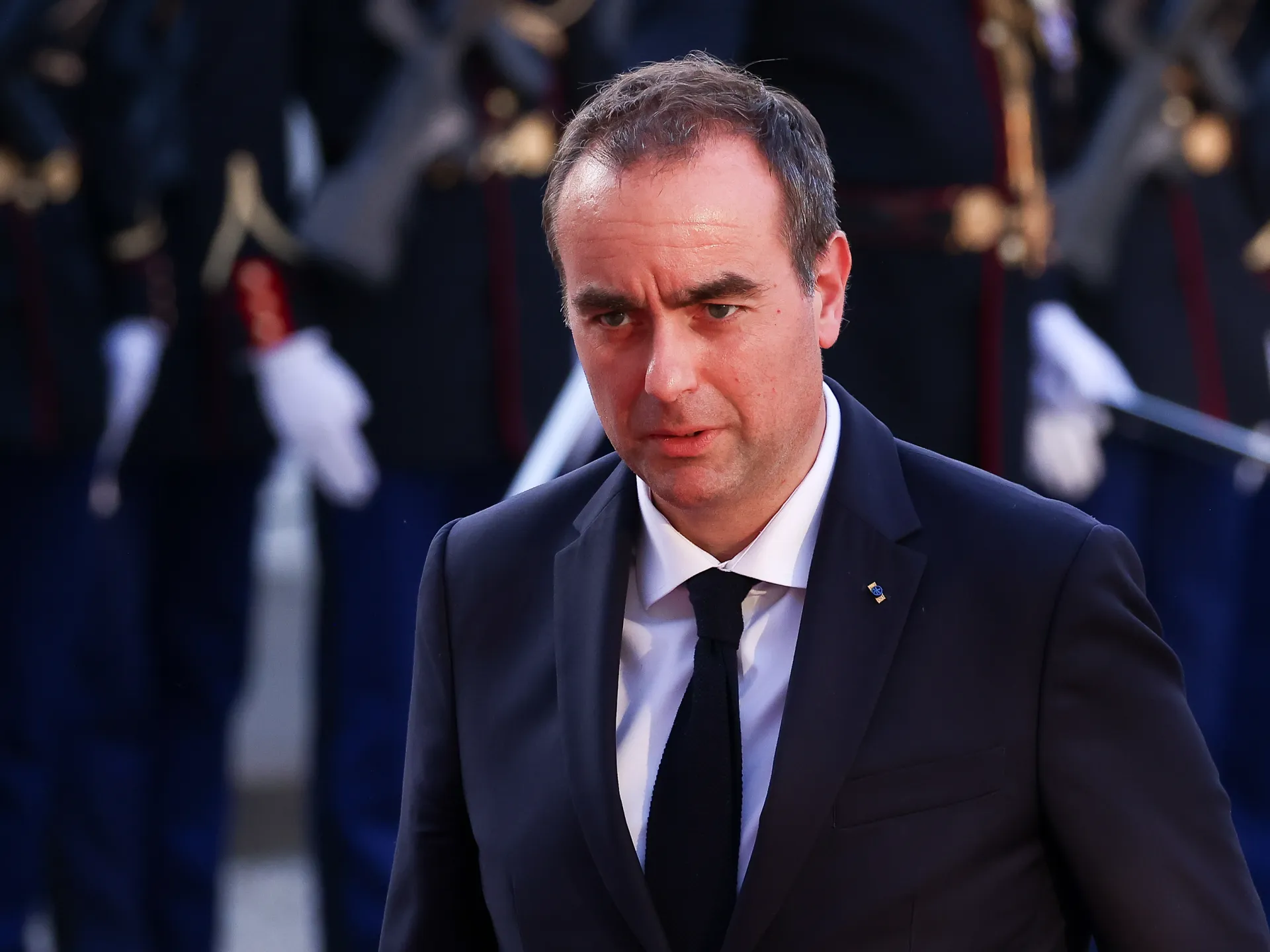
French Prime Minister Sebastien Lecornu completed a two-day official visit to Rabat on July 16, marking his first foreign trip since taking office and underscoring France’s effort to consolidate a diplomatic reset with Morocco. Accompanied by a delegation of approximately a dozen ministers, the mission signals a structural shift in Franco-Moroccan relations, moving beyond historical affinities toward a strategic partnership grounded in interdependence. The visit follows President Emmanuel Macron’s 2024 recognition of Moroccan sovereignty over the disputed Western Sahara territory, a decision that ended years of ambiguity and paved the way for renewed high-level engagement.
The diplomatic realignment addresses significant strains that characterised relations between 2021 and 2023, when disputes over visa restrictions, judicial cooperation, and intelligence sharing tested the traditional bond. According to experts, the current engagement represents a translation of political decisions into practical cooperation. Ouissal Marsaoui, a researcher in international relations, described the trip as a necessary recalibration of French policy, noting that states naturally reposition themselves when traditional partnerships weaken and new centres of influence emerge. This shift is particularly evident as France seeks dependable regional partners while its influence across the Sahel diminishes and relations with Algeria remain strained.
High-level discussions prioritised defence, security, economic cooperation, and investment, reflecting Morocco’s emergence as a critical bridge between Europe and Africa. The expansion of the Tanger Med port complex into one of the Mediterranean’s busiest shipping hubs has reinforced Rabat’s position as a gateway for European companies seeking access to African markets. Ahlam Qafas, a professor of economics at ENCG Kenitra, noted that expanded transport corridors and industrial zones offer France an opportunity to recover commercial ground lost elsewhere on the continent, while providing Morocco with access to investment and technology in sectors such as artificial intelligence and big data.
Security cooperation remains central to the renewed partnership, with a focus on intelligence sharing, counterterrorism, and defence industrial collaboration. Marsaoui argued that opening defence and military files linked to the Sahara anchors France’s policy shift within state institutions, transforming what could have been perceived as a personal political choice by President Macron into a durable strategic orientation. This institutionalisation of security ties is viewed as essential for addressing long-term regional challenges and stabilising France’s position in North Africa amidst intensifying geopolitical competition from China, Turkiye, the Gulf states, and the United States.
The trajectory of the relationship suggests a gradual move toward strategic interdependence, where both nations view each other as essential actors in regional stability. Nouh El Harmouzi, founder of the Arab Center for Scientific Research and Humane Studies, emphasised that the significance of Lecornu’s visit lies less in immediate agreements and more in the signal it sends about the future of bilateral ties. Whether this diplomatic reset evolves into a lasting partnership will depend on the ability of both governments to sustain cooperation across defence, investment, and regional security frameworks.