France and Germany terminate FCAS fighter jet programme amid strategic divergence
The abandonment of the Future Combat Air System marks a significant setback for European defence integration, with analysts pointing to incompatible military cultures as the primary driver.
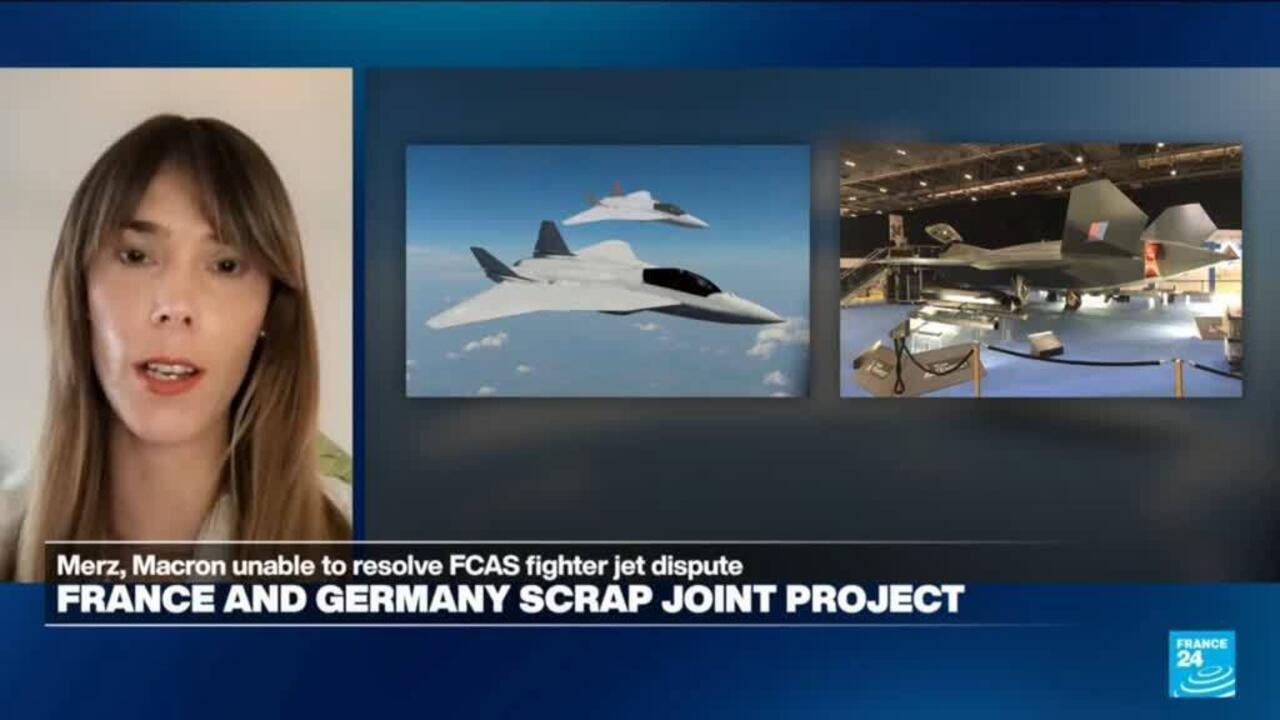
France and Germany have formally agreed to abandon the Future Combat Air System (FCAS) joint fighter jet programme, a decision announced on Monday. The termination of the initiative represents a substantial blow to broader European defence cooperation efforts, which have long sought to harmonise the military capabilities of the continent’s two largest economies.
The collapse of the project was attributed to disagreements between the companies involved in the development. While the specific nature of these corporate disputes remains undefined in the initial reports, the failure underscores the difficulties in aligning the industrial and strategic interests of the two nations.
Jeanette Süß, a Research Fellow at the Study Committee on Franco-German Relations, provided analysis to FRANCE 24’s Mark Owen regarding the underlying causes of the breakdown. She characterised the two nations as having "totally different strategic cultures, totally different military cultures and also in their weapons systems," suggesting that the divergence extends beyond mere commercial negotiation.
The FCAS programme was established as a major initiative aimed at boosting European defence cooperation through the development of next-generation fighter jets. Its abandonment highlights the persistent challenges in integrating the distinct strategic and military doctrines that have historically separated French and German defence policies.
This outcome deals a significant blow to European defence cooperation efforts, casting doubt on the feasibility of future large-scale joint procurement projects. The decision signals that despite political rhetoric favouring integration, the practical alignment of national military cultures remains a formidable obstacle.