France and Germany terminate $116 billion fighter jet project
Disagreements between Dassault Aviation and Airbus over leadership roles derail the sixth-generation aircraft initiative, compounding geopolitical tensions as Washington pressures Europe for greater military autonomy.
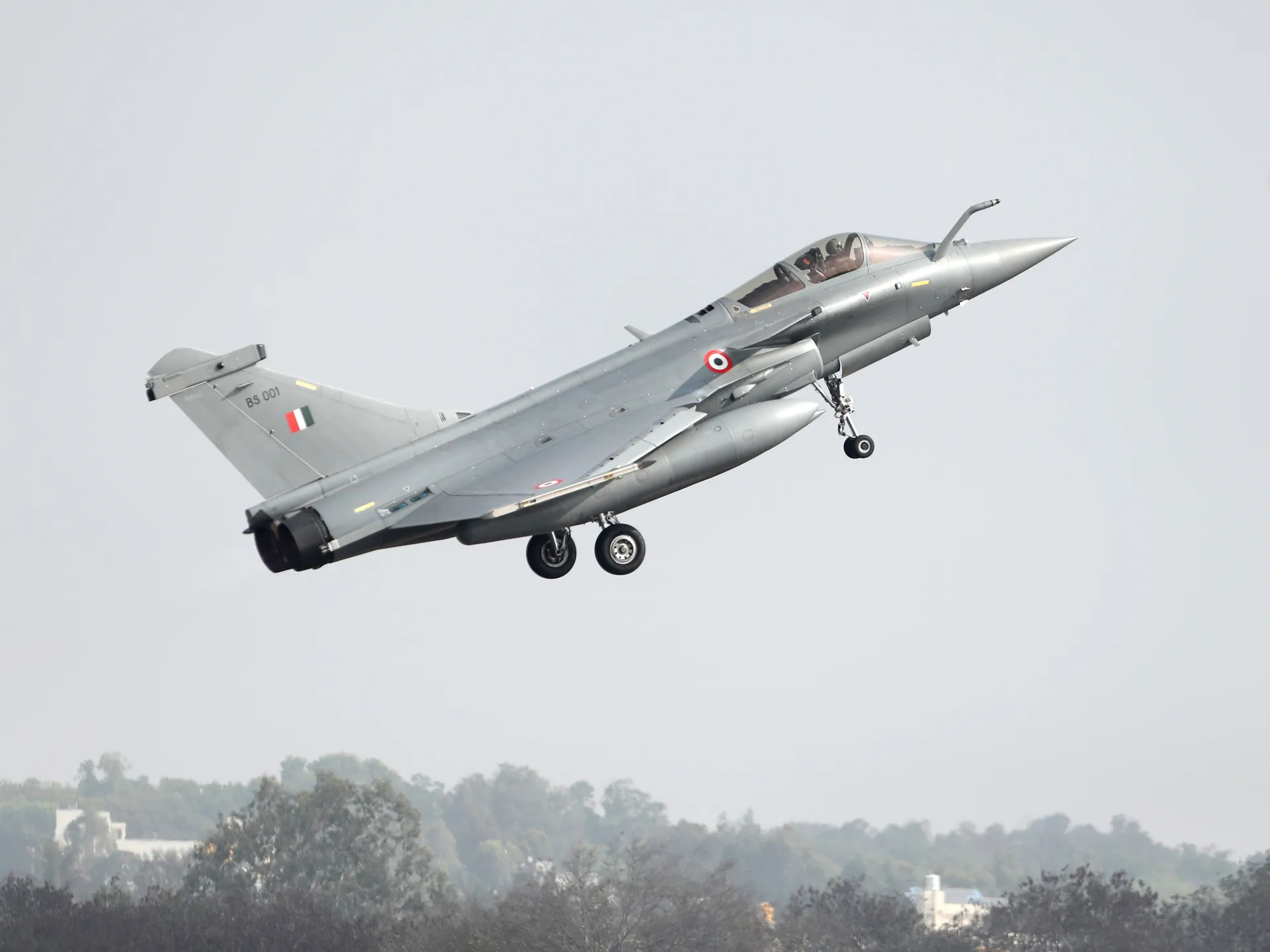
France and Germany have officially terminated the Future Combat Air System (FCAS) project, a $116 billion initiative designed to develop a sixth-generation fighter jet. The decision, confirmed by the Elysee on Monday, represents a major setback for European defence cooperation and ends years of diplomatic and industrial efforts to create a unified military aviation platform.
The project, which was initially launched in 2017 with Spain joining in 2019, aimed to replace existing aircraft such as the French Rafale and the Eurofighter by around 2040. The programme also included plans for newly built drones and a high-security combat data cloud. However, negotiations collapsed after French firm Dassault Aviation and Airbus, which represented Germany and Spain, failed to reach an agreement on leadership and control structures.
French President Emmanuel Macron’s office stated that German authorities determined it was no longer possible to exert further pressure on the companies involved. The breakdown is attributed to deep-seated rivalries between the two aerospace giants, despite repeated attempts by both governments to salvage the deal. Chancellor Friedrich Merz and President Macron discussed the issues as recently as the previous week in efforts to resolve the impasse.
The termination occurs against a backdrop of increasing uncertainty regarding United States commitment to NATO defence obligations. President Donald Trump has frequently cast doubt on the US stance on the military alliance, raising concerns among European leaders about the continent's security posture and the potential emboldening of Russia. Washington has simultaneously increased pressure for Europe to achieve greater military independence.
The Elysee indicated that French authorities would continue to encourage companies and armed forces to pursue other ambitious European military projects consistent with national security interests. The failure of the FCAS highlights the enduring difficulties the European Union faces in coordinating defence matters, particularly amid opposition rooted in concerns over the impact on NATO relations.