FRANCE 24 journalists forced to sign NDA after questioning actor on Bolloré controversy
Management at the international broadcaster demands an apology after press officers blocked journalists from leaving and compelled them to sign a non-disclosure agreement regarding an open letter protesting Vincent Bolloré’s influence in French cinema.
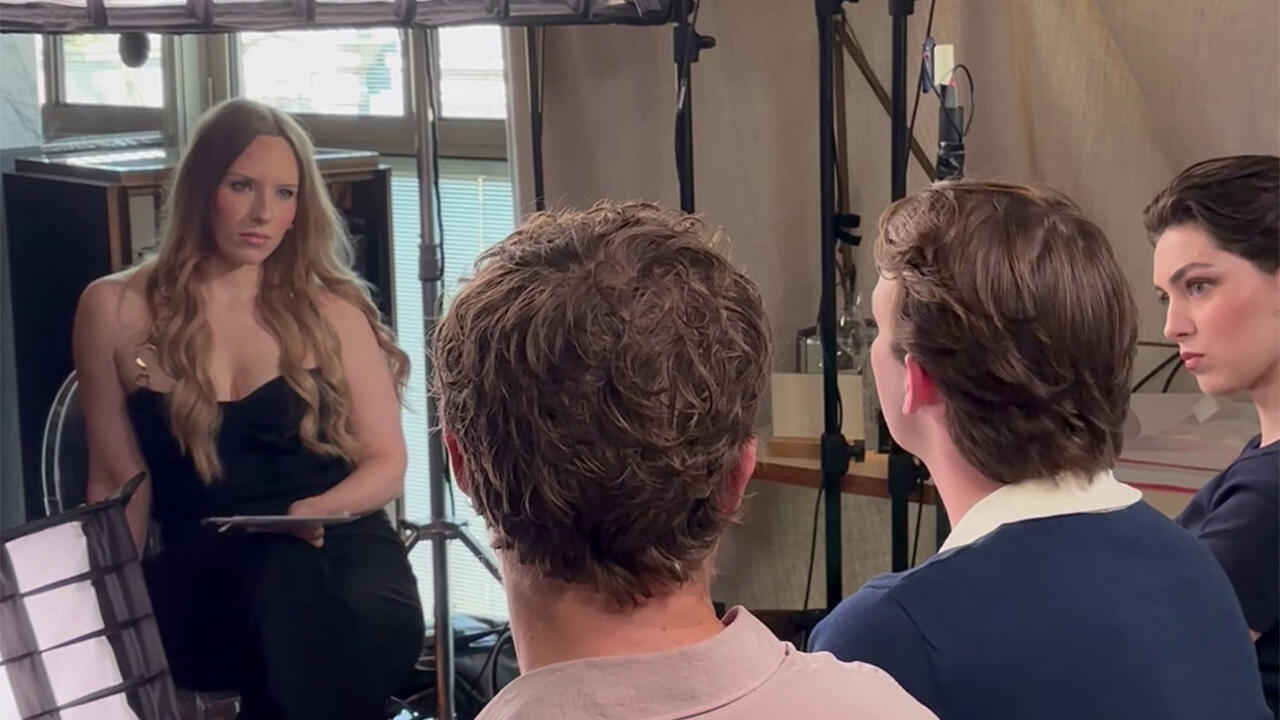
Two journalists from FRANCE 24 have been compelled to sign a non-disclosure agreement after questioning an actor about an open letter protesting the influence of far-right billionaire Vincent Bolloré in French cinema. The incident occurred during a promotional interview for the film "La Bataille de Gaulle," where press officers allegedly blocked the journalists from leaving and demanded the return of their recording equipment. FRANCE 24 management and its editorial committee have condemned the actions as a serious violation of press freedom and intimidation, demanding an immediate apology from the press officers involved.
The controversy stems from an open letter published on the eve of the Cannes Film Festival, signed by approximately 600 industry professionals. The petition expressed alarm over Bolloré’s growing control of French cinema through the UGC theatre chain and the Canal+ Group, where he is the majority shareholder. In response, Maxime Saada, president of the Canal+ Group and France’s largest film financier, announced that the network would no longer work with the signatories of the letter, effectively blacklisting those who voiced concerns about the tightening grip of the far right on the industry.
During the interview to promote Antonin Baudry’s feature film, FRANCE 24 journalist Nina Masson asked the actor about the open letter. The actor, visibly uncomfortable, dodged the question. Following the conclusion of the conversation, a press officer prevented the journalists from leaving the room and demanded they hand over the memory card containing the recording. Masson refused to surrender the equipment, citing journalistic ethics, which prompted a second press officer to become involved.
Under pressure, Masson and her colleague Yong Chim were forced to sign a written commitment not to broadcast the disputed segment. Julie Dungelhoeff, president of FRANCE 24’s editorial committee (SDJ), described the methods used as being of "unprecedented gravity," comparing the tactics to practices observed in authoritarian regimes. She noted that the press officer involved was "very vindictive and angry," and stated that having equipment snatched and being forced to hand over memory cards is an experience previously encountered only in non-democratic contexts.
FRANCE 24’s editor-in-chief, Vanessa Burggraf, condemned the acts of intimidation in the strongest possible terms, stating that the methods were appalling and constituted an unacceptable violation of press freedom. She emphasised that the team was mistreated while performing their duties and that such actions cannot set a precedent. The broadcaster’s management and the SDJ have offered unreserved support to the journalists, demanding an apology from the press officers and asserting that press freedom is non-negotiable.
Masson reported receiving dozens of messages from other culture journalists who are experiencing similar pressure not to ask certain questions, suggesting a broader climate of fear within the industry following Saada’s announcement. While not all instances have reached the same extreme level, journalists expressed fatigue at working under such conditions. The incident highlights the ongoing reckoning in French cinema regarding the influence of right-wing media moguls and the challenges faced by reporters attempting to cover these developing political and cultural tensions.