France 24 highlights domestic film trend as 'De Gaulle: Resistance' premieres
Ben Croll, presenting for France 24’s arts24 programme, identifies the release of Antonin Baudry’s two-part World War II epic as a significant domestic event reflecting a broader shift in French cinema towards national history.
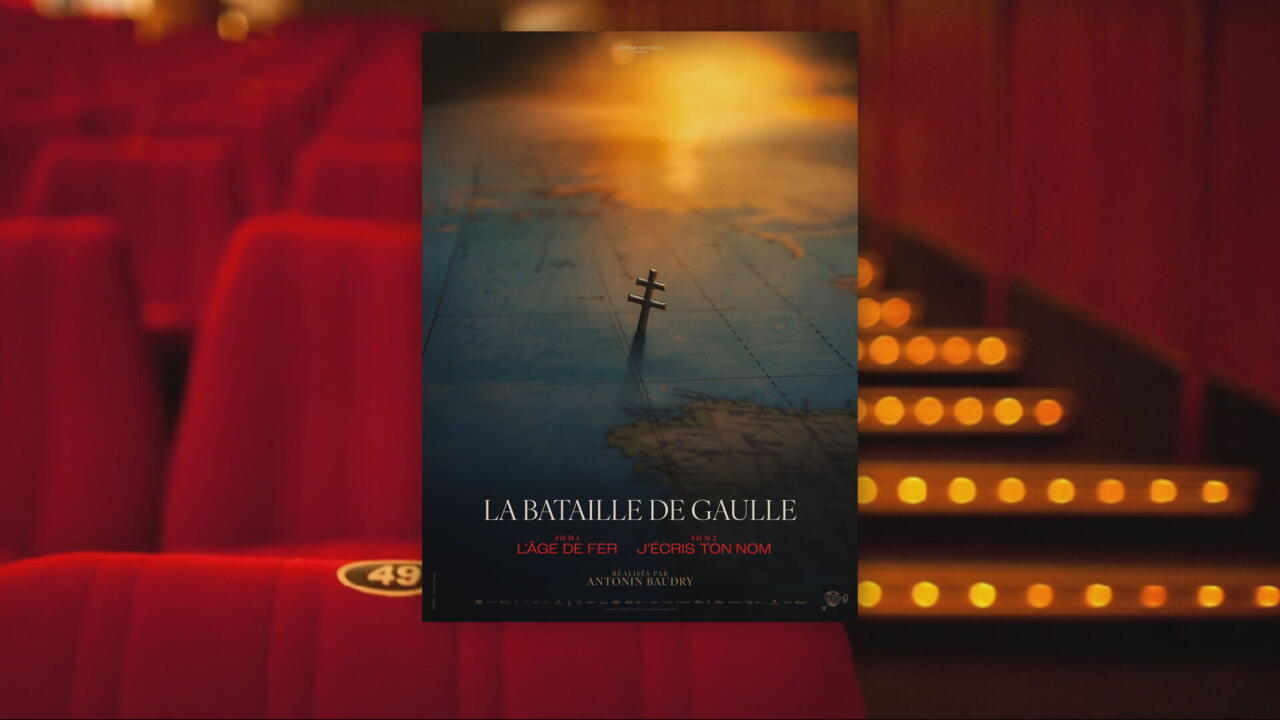
One of France’s major domestic film events this week is the cinema release of Antonin Baudry’s two-part World War II epic, 'De Gaulle: Resistance'. The film chronicles the leadership of General Charles de Gaulle from the fall of France in 1940 to the liberation in 1945. According to France 24’s arts24 programme, the release underscores a growing trend of French blockbusters centred on uniquely national stories and historical narratives.
Ben Croll, presenting the arts24 segment, noted that the film is part of a wider movement within the French film industry to produce large-scale productions focused on domestic history. The release coincides with the theatrical debut of three other films previously featured at the Cannes Film Festival, marking a significant week for the sector.
Also premiering this week is 'Silent Rebellion', a Swiss drama that explores the journey of a rape survivor against the backdrop of Switzerland’s neutrality during the Second World War. The film provides a contrasting perspective to the French narrative, focusing on the social and personal impacts of the conflict within a neutral state.
The slate of new releases also includes 'Crescendo', an opera comedy that examines backstage dynamics and the #MeToo movement within the world of classical music. Additionally, 'Mata', an espionage thriller aimed at audiences familiar with the television series 'The Bureau', rounds out the selection of films moving from festival circuits to general cinema release.
The simultaneous release of these titles highlights the continued relevance of historical and political themes in contemporary European cinema. While 'De Gaulle: Resistance' anchors the week with its focus on a pivotal French military and political leader, the accompanying films offer varied examinations of war, neutrality, and institutional culture.