France 24 Analysis Questions US-Iran Conflict Cycle Amid Hormuz Tensions
New analysis from France 24 outlines a scenario involving the death of Iran’s Supreme Leader and strategic leverage via the Strait of Hormuz, while noting policy reversals by Donald Trump.
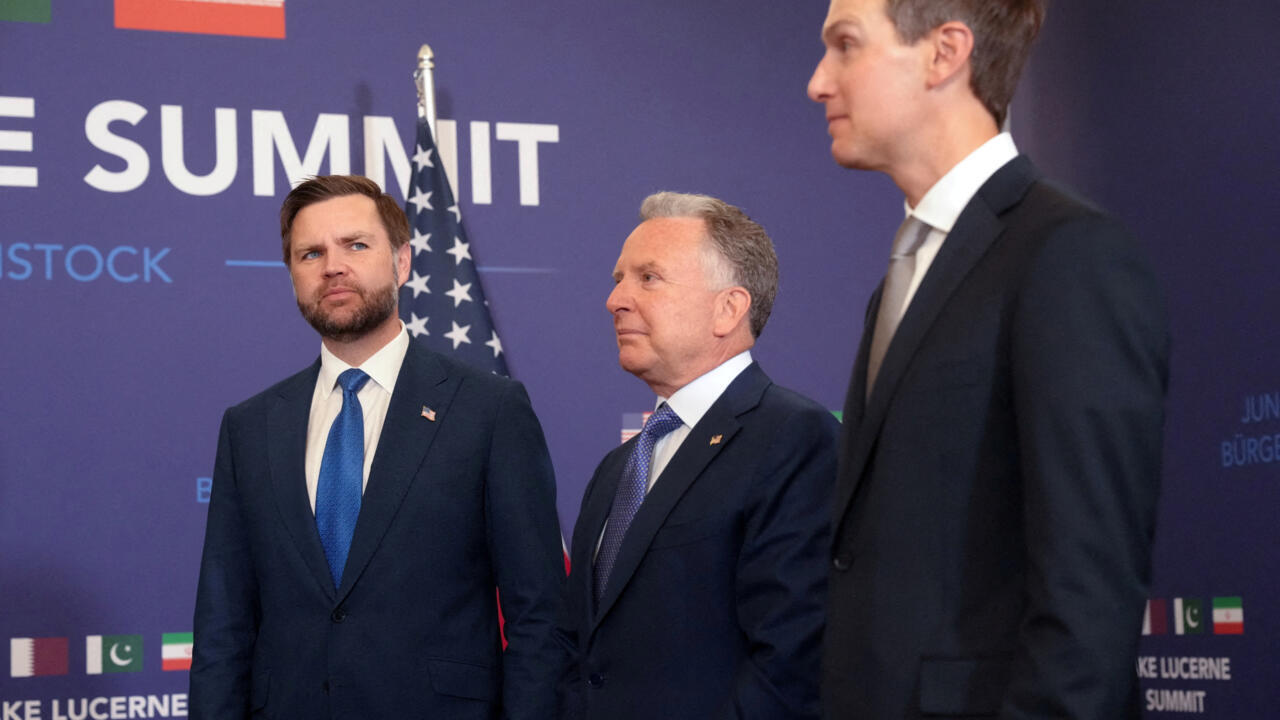
France 24 has published an analysis examining the recurring cycle of hostilities and diplomacy between the United States and Iran. The report outlines a scenario in which the US and Israel launched a military offensive on 28 February, resulting in the death of Iran’s Supreme Leader on the first day. In response, Iran is leveraging its control over the Strait of Hormuz, contributing to rising crude oil prices and missile activity in the Gulf.
The analysis highlights Iran’s strategic assessment that it possesses leverage beyond nuclear capabilities, specifically through its position regarding the Strait of Hormuz. Crude oil prices have reached four-week highs amid ongoing missile activity in the region. The report notes that Iran’s leadership perceives threats of invasion from former US President Donald Trump as empty, allowing it to frame the US president as the aggressor in international discourse.
Donald Trump has been cited as issuing threats of invasion and proposing a 20% toll on commercial vessels transiting the strait. However, the report indicates that Trump has since reversed this position. The segment questions how the region might break the cycle of war, talks, and performative diplomacy, observing that the pattern often concludes with televised signing ceremonies before returning to hostilities.
This geopolitical tension coincides with a summit in Beijing between US President Donald Trump and Chinese President Xi Jinping. The event, which marks the first visit by an American president to China since 2017, includes discussions on trade, artificial intelligence, and the Strait of Hormuz. Key US CEOs, including Elon Musk, Tim Cook, and Jensen Huang, are attending the summit.
The France 24 report, produced by François Picard, Andrew Hilliar, Juliette Laffont, Ilayda Habip, and Juliette Brown, raises broader questions about the role of the international community in these conflicts. It asks whether the world is reduced to spectators in a pattern of performative drama and how to effectively break the established cycle of conflict and negotiation.