Fourth bid confirmed: Melenchon enters 2027 French presidential race
Jean-Luc Melenchon has officially declared his candidacy for the 2027 election, aiming to challenge the established order as France grapples with prolonged government instability and shifting parliamentary dynamics.
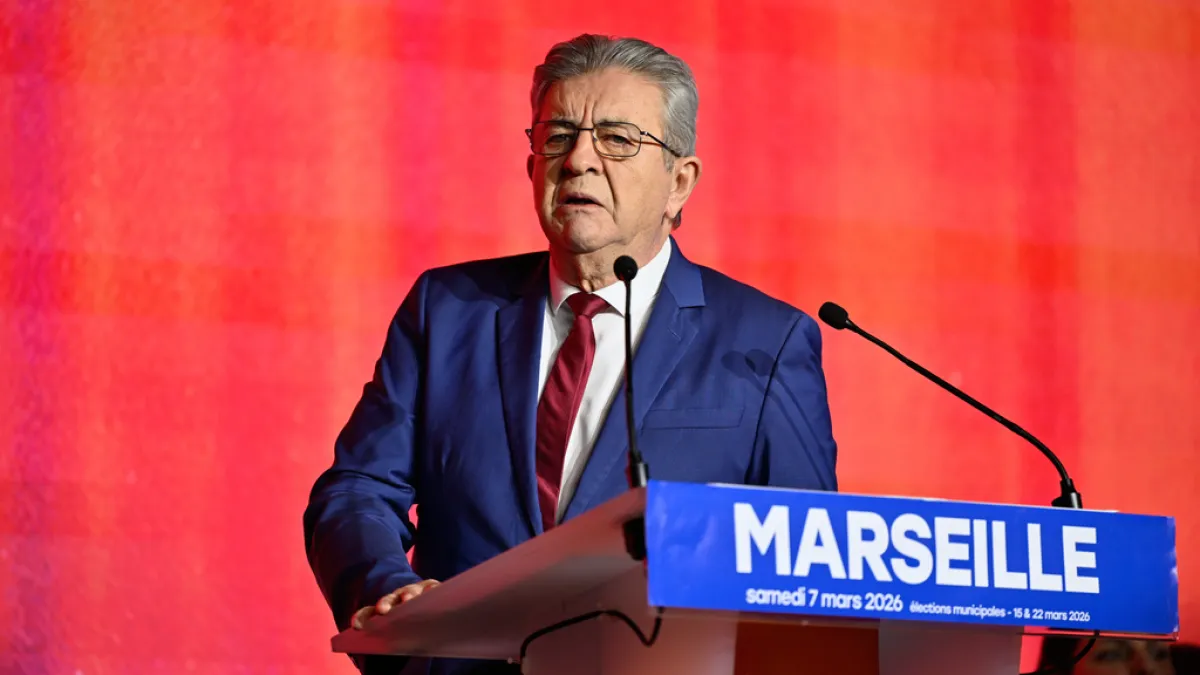
Jean-Luc Melenchon, the leader of France's Unbowed party (LFI), has confirmed his intention to stand as a candidate in the 2027 presidential election. The announcement was made on Sunday via a broadcast on TF1, where the 74-year-old politician stated unequivocally, "Yes, I am a candidate." This declaration marks his fourth attempt to secure the presidency, following previous campaigns in 2012, 2017, and 2022.
The political context for this election is defined by significant structural constraints on the traditional contenders. Incumbent Emmanuel Macron is ineligible to run due to term limits, while Marine Le Pen faces a political ban that she is currently challenging in court. Consequently, Melenchon aims to challenge the remaining centrist and right-wing rivals in a field that remains wide open. The election is scheduled for April, with a run-off set to follow two weeks later should no candidate secure a majority in the first round.
Melenchon's recent electoral performance suggests a growing capacity to influence the outcome. In the 2022 election, he secured 22 per cent of the vote, finishing just 1.2 percentage points behind Le Pen. This represents a substantial increase from his 11 per cent support in 2012, indicating a trajectory toward the run-off spots he previously missed. His party, LFI, currently stands as the largest component of the New Popular Front coalition and the third-largest bloc in the National Assembly.
The policy platform of the Unbowed party remains a central feature of its institutional identity. LFI is noted for advocating strong environmental regulations and higher taxes on the wealthy. Furthermore, the party has maintained a vocal stance on foreign policy, including criticism of Israel's actions in Gaza and Iran. Melenchon has previously described the conflict in Gaza as genocide and has called for the suspension of the European Union's association agreement with Israel, while also backing Spain's position against the US-Israel war on Iran.
The broader governance environment in France presents a complex backdrop for the upcoming contest. Recent municipal elections in March revealed a discrepancy between national polling and local governance outcomes, as the National Rally failed to win control of any major city despite strong national figures. This adds a layer of institutional scrutiny to the far-right's prospects. Additionally, the lack of parliamentary majorities following the 2024 legislative elections has resulted in significant political instability, with several governments and prime ministers falling over the past two years due to vulnerability to no-confidence votes.
As the campaign infrastructure takes shape, the focus remains on how these fragmented political forces will coalesce or divide. The outcome of the 2027 election remains unpredictable given the volatile nature of French politics and the unresolved legal challenges facing key figures. Melenchon's entry into the race signals a potential shift in the balance of power as the left-wing bloc seeks to capitalise on the current administrative vacuum.