Four convicted in US over assassination of Haitian President Jovenel Moise
Defendants face possible life sentences after prosecutors establish US role in funding and planning the attack that left a political vacuum in Haiti
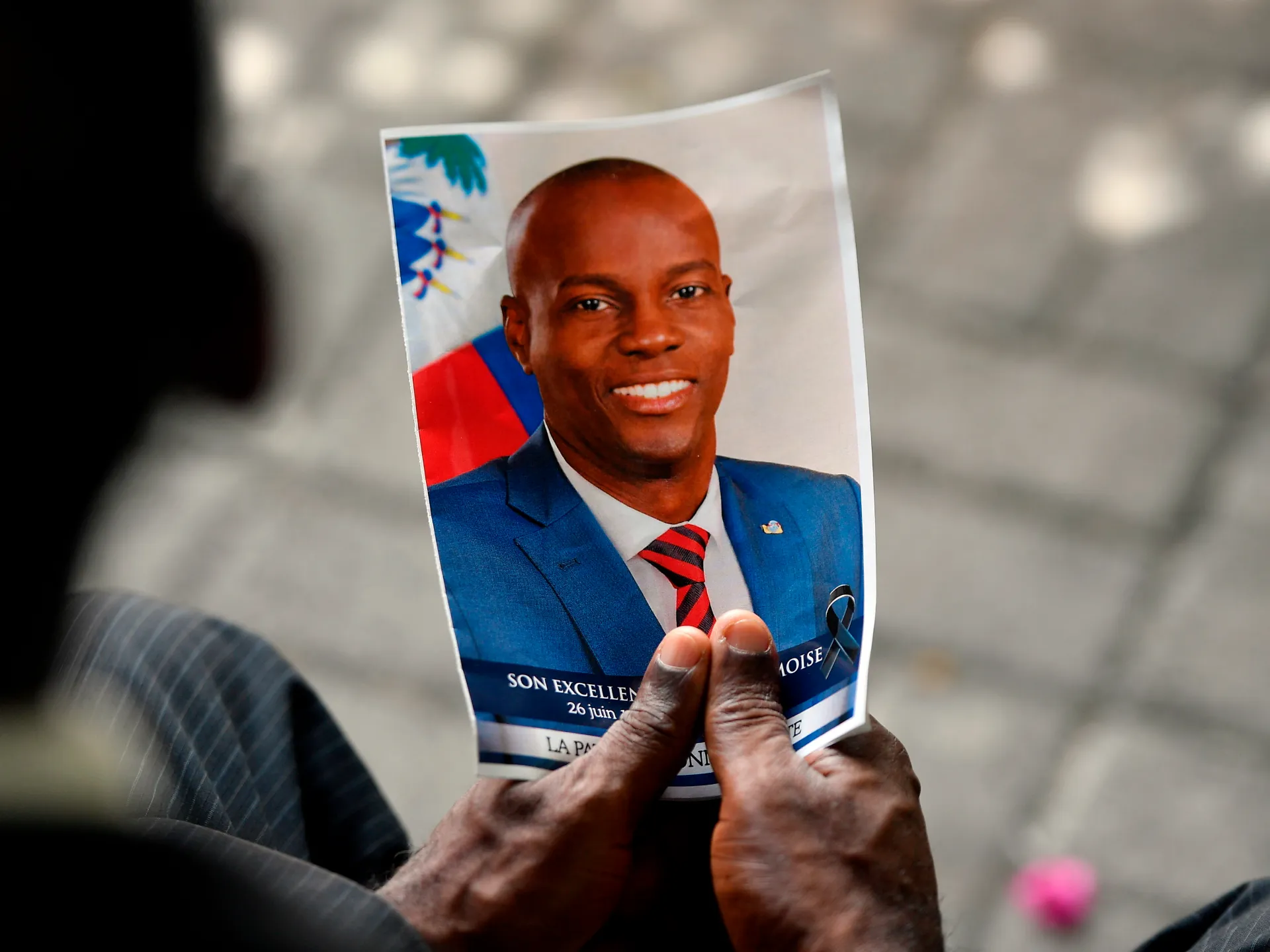
A United States court has convicted four individuals of conspiring to kill or kidnap former Haitian President Jovenel Moise and providing material support for the plot. The verdict, delivered in Florida, marks a significant development in the legal proceedings surrounding the 2021 assassination that left a political vacuum in the Caribbean nation. Prosecutors have stated that south Florida served as a central hub for the planning and funding of the attack, establishing a direct link between US soil and the destabilisation of Haiti.
The four defendants, identified as Arcangel Pretel Ortiz, Antonio Intriago, Walter Veintemilla, and James Solages, face possible life sentences for their roles in the conspiracy. During the trial, which began nearly two months ago, the defence argued that the men were scapegoats in a broader Haitian plot to arrest Moise over a dispute regarding term limits. They maintained that the original intent was not assassination, claiming that Colombian mercenaries were meant to accompany Haitian police to execute an arrest warrant before the president was killed by his own security forces.
In contrast, US prosecutors contended that the plan initially sought to remove and replace Moise but eventually escalated to murder. The prosecution's evidence placed the logistical and financial coordination of the attack within the south of Florida, the closest US state to Haiti. This legal determination underscores the role of the United States in the investigation, even as the defence sought to frame the event as a domestic conspiracy that went awry.
The conviction comes against a backdrop of severe instability in Haiti, where no national elections have been held since Moise's death. A provisional council was appointed in September 2024 to organise new polls but has since been replaced by a US-backed Prime Minister, Alix Didier Fils-Aime, who aims to hold elections by the end of the year. The United Nations has emphasised that a stable government is essential to restoring order in a country beset by natural disasters and rising gang violence.
Security conditions remain critical, with criminal gangs controlling large swaths of territory and displacing approximately 1.5 million people. The UN documented at least 8,100 gang killings in 2025, highlighting the urgent need for political stability to address the humanitarian crisis. While the legal process in the United States continues, with a fifth defendant awaiting trial due to health issues and eight others having accepted plea deals, the focus remains on the broader security challenges facing the region.