Forty years on, Cameroon’s Lake Nyos survivors face new barriers to return
Scientific assessments confirm the lake is safe, yet the Anglophone crisis continues to stall reconstruction in the Northwest Region.
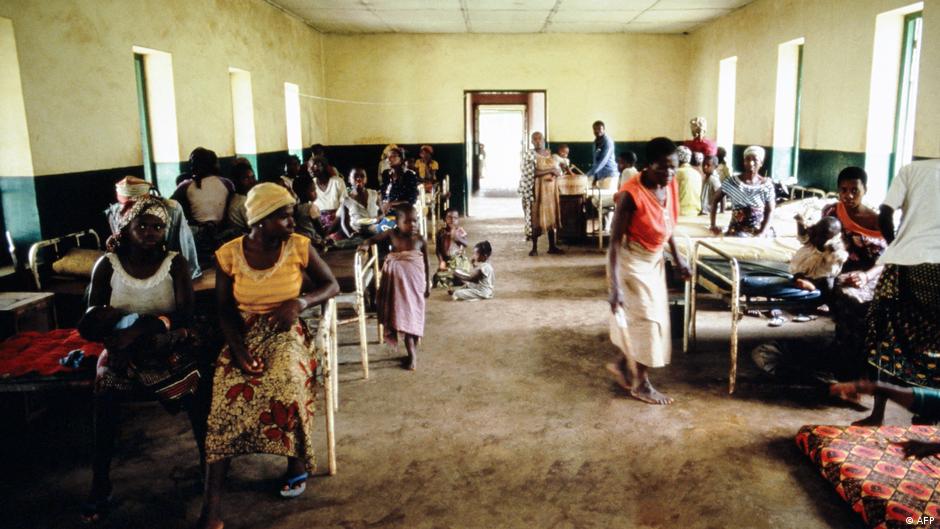
On the 40th anniversary of the Lake Nyos disaster, the focus has shifted from geological risk to political instability. On 21 August 1986, a massive release of carbon dioxide from the lake in Cameroon’s Northwest Region suffocated approximately 1,700 people and 3,500 livestock in nearby villages. While the immediate threat of a repeat event has been mitigated by engineering interventions, survivors remain displaced due to ongoing conflict.
Isaac Konfor Njilah, a geologist at the University of Yaounde, stated that the lake no longer contains sufficient dissolved carbon dioxide to trigger another disaster. He described the water body as "very safe" for the population to return, noting that degassing pipes installed in the years following the 1986 event have gradually released the trapped gas. The disaster is attributed to a limnic eruption, where gas-rich deep waters rise to the surface, a process scientists believe was likely triggered by a landslide.
Despite these scientific assurances, the trauma persists among those who lived through the event. Tsang Emelda Njah, who was five years old at the time, expressed continued fear of approaching the lake. "I am a child of Nyos," she said. "But I am still afraid to go close to the lake... That is why we are still afraid." Other survivors, including Kum Samuel and Ndong Frederick Bah, recalled the sudden onset of the gas cloud and the devastating loss of family members.
The primary obstacle to resettlement is now the Anglophone crisis, which erupted in 2016 between government forces and separatist groups in the country’s English-speaking regions. According to Njilah, the insecurity has disrupted plans to rehabilitate affected communities and encourage residents to return to their ancestral lands. The conflict has made the area difficult to access, hindering both scientific work and development projects by government and international agencies.
Njilah noted that the displacement prevents survivors from performing cultural rituals, such as pouring libations on the graves of their forefathers. The ongoing violence has created a significant barrier to recovery, with Njilah warning that few can venture into the region without risk. This political instability has effectively stalled the long-term reconstruction efforts that were once expected to follow the geological mitigation measures.
The Lake Nyos tragedy remains one of the deadliest natural disasters in Cameroon’s history. It occurred two years after a similar, smaller event at Lake Monoun killed 37 people. As the anniversary is marked, the intersection of environmental science and regional politics continues to define the lives of those who survived the 1986 catastrophe.