Formula 1 deploys 'scalpel' regulations to curb electrical power influence at Miami Grand Prix
The FIA has implemented a targeted package of rules designed to limit the impact of electrical battery power, addressing driver concerns regarding unpredictable power spikes and car control during the upcoming season.
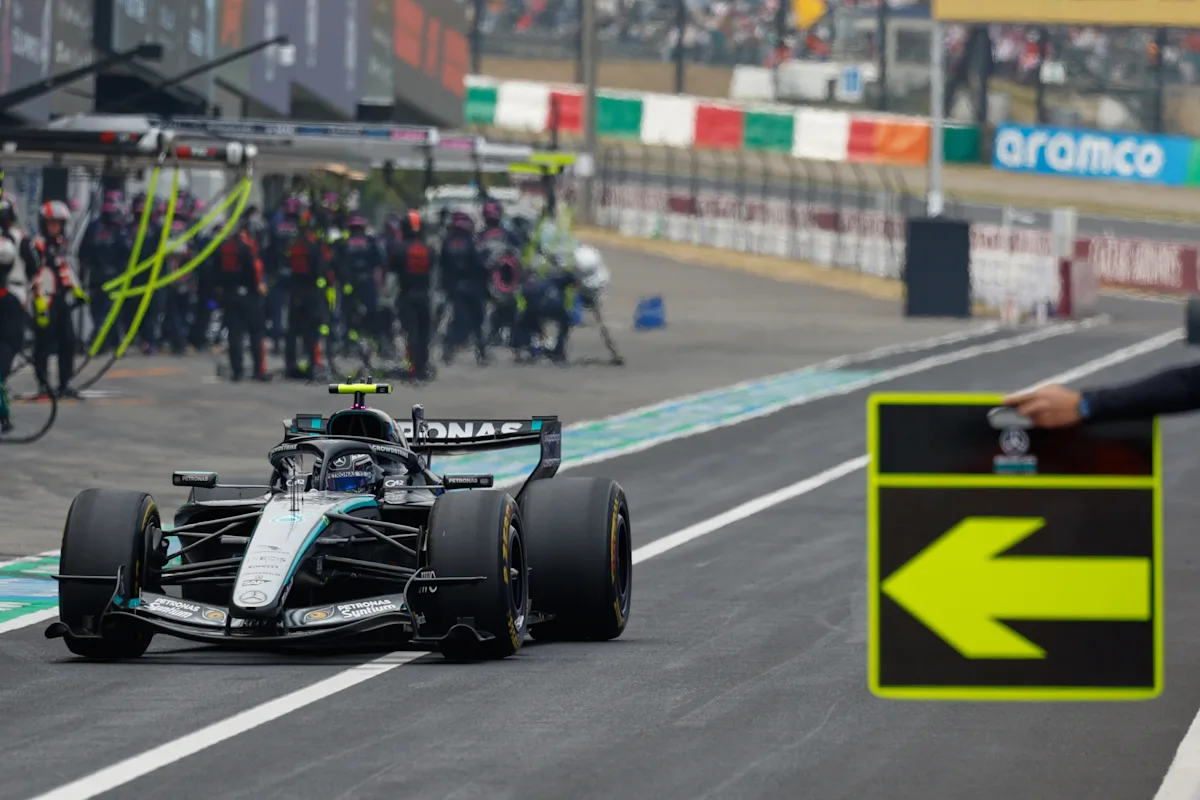
Formula 1 has introduced a package of regulatory changes, termed a 'scalpel' approach, designed to limit the influence of electrical battery power during the 2026 season. The Miami Grand Prix will serve as the first on-track test of these rules, which specifically cap extra power from overtaking 'boost' modes and restrict electrical energy in designated circuit areas.
These measures were developed during an enforced month-long break following the cancellation of races in the Middle East. The primary objectives are to address driver complaints regarding unpredictable power spikes, improve car control, and reduce the risk of crashes. While the changes aim to improve safety, the regulations are a first test at the Miami Grand Prix, meaning real-world performance impacts are not yet fully verified.
Specific measures include a cap on extra power from the overtaking 'boost' mode and limits on electrical power in certain areas of the circuit. Other safety-focused changes include mechanisms to speed up slow-moving cars at race starts and improvements to make cars more controllable in wet weather, though 2026 cars have not yet faced these specific conditions. There is no specific measure confirmed to stop unintentional overtaking caused by unexpected power spikes, though officials argue other safety changes address this to some extent.
Qualifying sessions are expected to feel faster but will actually be slower because drivers no longer need to lift off the throttle to recharge batteries. Batteries will charge more quickly at high speed, meaning drivers will be 'flat out' more often. This shift alters the dynamic of qualifying in ways that differ from initial expectations, as drivers will be less required to perform counterintuitive actions to extract performance.
Nikolas Tombazis, the top F1 regulations official at the FIA, the sport's governing body, sees his role as a doctor prescribing diet, exercise or vitamins. He noted that it was clear certain steps were needed and that people needed to come out of their comfort zone for some of these discussions. The FIA will keep reviewing how the regulations work at upcoming races and could make further changes, with the next obvious opportunity to do so being the summer break in August.
While intended to improve safety, the changes may alter the dynamic of qualifying sessions in ways that differ from initial expectations. Specific measures to prevent unintentional overtaking via power spikes remain unconfirmed, and teams will be hunting for any loopholes in the meantime. The regulations run their course by 2030 at the latest, leaving the question of what comes next for F1 as a looming consideration.