Formula 1 agrees to engine regulation overhaul following driver backlash
The FIA has approved changes to power unit specifications for 2027 and 2028, addressing complaints that current energy management rules have diminished the challenge of qualifying.
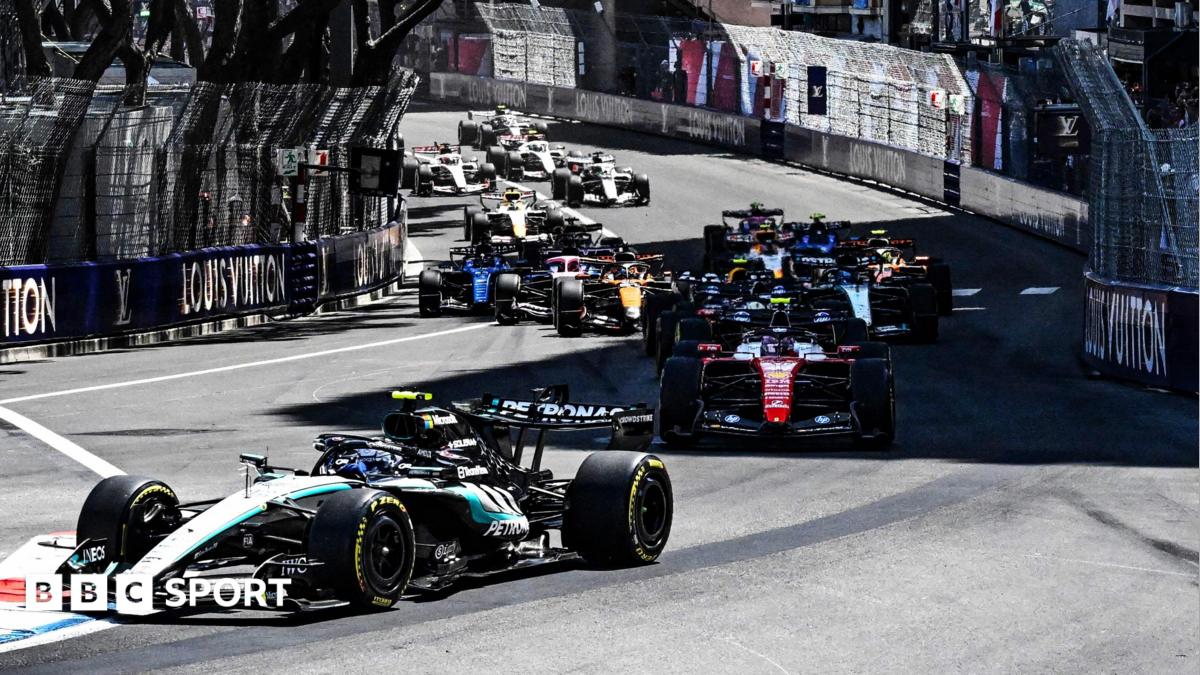
Formula 1 has agreed to a two-stage adjustment of its engine design regulations, a move designed to address significant criticism from drivers regarding the current year’s new power unit rules. The compromise alters the power split between the internal combustion engine and the electrical system, shifting away from the current near 50-50 ratio to a 58-42 split in 2027, and a 60-40 ratio in 2028.
The decision follows intense scrutiny from the driver grid, including four-time champion Max Verstappen, who had warned he would quit the sport if the regulations were not amended. Drivers argued that the strict energy management requirements forced them to lift off the throttle or coast during qualifying laps to recover sufficient energy, thereby diminishing the flat-out nature of the challenge. Two-time champion Fernando Alonso described fast corners as becoming a "charging station" under the current regime.
The agreed plan increases fuel flow to the internal combustion engine by 5% in 2027 and 13% in 2028. Consequently, internal combustion engine power will rise from approximately 400kW this year to 420kW in 2027 and 450kW in 2028. Conversely, power produced by the electrical part of the engine will be reduced from 350kW to 300kW from next year onwards. While the maximum power available in overtake mode remains at 350kW, the maximum harvesting power of the electrical system will increase to 375kW in 2027 and 400kW in 2028, allowing teams to recover energy more quickly.
In addition to the regulatory changes, the FIA has informed power unit manufacturers of engine performance rankings, a disclosure that permits manufacturers deemed more than 2% behind the leader to implement upgrades. Sources indicate that Red Bull holds the most powerful engine, while Honda is classed as the least powerful, sitting approximately 8-10% behind the leader.
This performance ranking has financial implications, as manufacturers more than 10% behind the leader are eligible for extra funding under the engine budget cap. Honda’s position in the 8-10% bracket means it misses out on the additional funding available to those further behind. Mercedes has been awarded one permissible upgrade this season and another for next year, while Ferrari, Audi, and Honda are permitted two upgrades in both the current season and 2027.
The FIA stated that the proposed changes are intended to address issues related to energy management and fuel energy-flow characteristics, aiming to make qualifying more flat-out without impacting the racing generated by the new regulations. This agreement follows a month of talks, during which Ferrari and Audi had pushed to prevent the full 60-40 shift from being implemented in a single step for 2027.