Former President Festus Mogae Dies at 86; Botswana Declares Three Days of National Mourning
President Duma Boko has paid tribute to the late leader's unwavering commitment to the country, highlighting his legacy of stability and policy innovation.
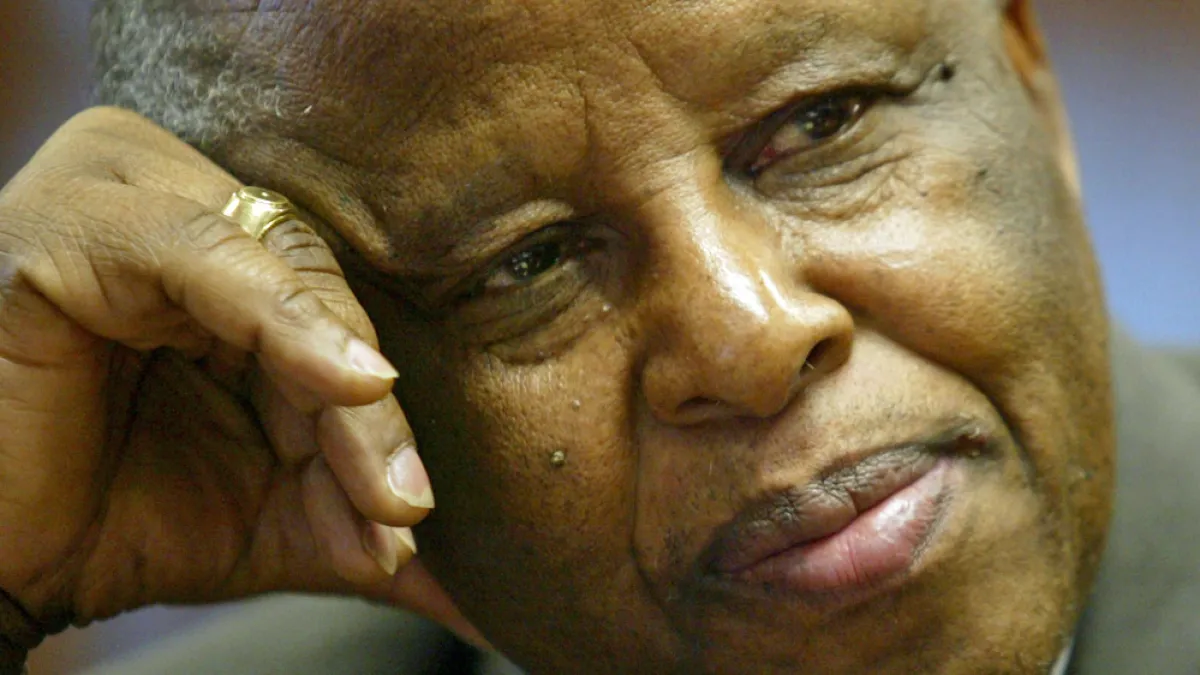
Botswana's government has announced the death of former President Festus Mogae at the age of 86, triggering a declaration of three days of national mourning across the southern African nation. The official statement confirms the passing of the country's third president, whose tenure from 1998 to 2008 is defined by a period of sustained economic expansion and a rigorous response to the HIV/AIDS crisis.
President Duma Boko has issued a formal tribute to the late leader, describing him as a remarkable servant of the people whose dedication to Botswana remained unwavering throughout his life. This statement from the current administration underscores the institutional continuity within the state, noting that Mogae's departure marks the end of a significant chapter in the nation's governance history.
Mogae, an economist by training, guided the country through two five-year terms, overseeing strong economic growth while managing the challenges of one of the world's highest HIV infection rates. His administration is credited with adopting a comprehensive continental programme to combat the virus, a strategic policy move that distinguished his leadership during a critical public health emergency.
The transition of power following Mogae's retirement in 2008 to Vice President Ian Khama was characterised by a smooth handover that reinforced Botswana's reputation for political stability. This orderly succession, adhering to the constitutional limit of two terms, highlighted the strength of the nation's democratic institutions and the capacity of the state to manage leadership changes without disruption.
In recognition of his ability to sustain stability and prosperity during the health crisis, Mogae was awarded the prestigious Ibrahim Prize in 2008. Following his departure from the presidency, he continued to contribute to regional security and governance by chairing the Joint Monitoring and Evaluation Commission, where he played a key role in overseeing the peace process in South Sudan.
Born in Serowe in 1939, Mogae joined the civil service shortly after Botswana's independence in 1966, progressing through roles as finance minister and vice president before ascending to the presidency. His career trajectory from the civil service to the highest office reflects a deep engagement with the country's institutional framework, leaving a legacy that the government now commemorates through the official mourning period.