Former Nigerian Power Minister Sentenced to 75 Years in Absentia Over Corruption Conviction
The high court in Abuja has ordered the former minister to repay 22bn naira, as authorities issue an arrest warrant following his conviction for laundering billions linked to government-funded power plants.
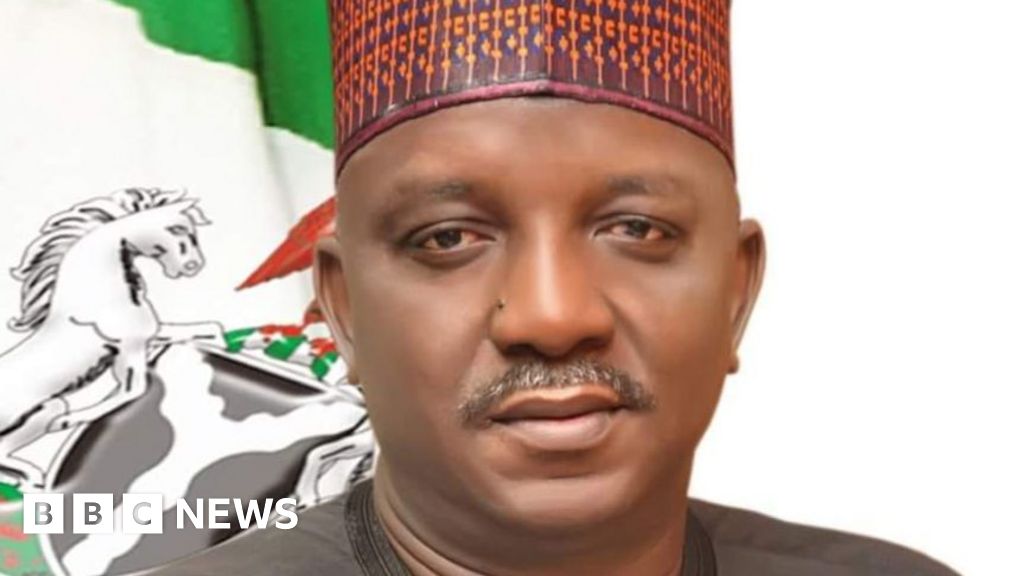
A high court in Abuja has sentenced Saleh Mamman, the former Nigerian Minister of Power, to 75 years in prison for corruption and money laundering. The 68-year-old was convicted in absentia on Wednesday after being found guilty of 12 counts, including the laundering of 33.8bn naira ($24.7m) and funneling funds through private firms connected to government-funded power infrastructure.
The Economic and Financial Crimes Commission (EFCC) confirmed that Mamman has been "out of circulation" and "without trace" since his conviction was handed down last week. In response to his disappearance, the high court issued an arrest warrant for Mamman on Monday. The court has also ordered him to repay 22bn naira ($16m) as part of the sentencing.
Mamman served as the Minister of Power from 2015 to 2021 under President Muhammadu Buhari. His tenure concluded when he was sacked during a cabinet reshuffle, with the president citing an "independent and critical self-review." Mamman has not publicly commented on the conviction, which stands as a rare verdict against a former high-ranking official in the West African nation.
The sentencing comes shortly after Mamman announced his intention to contest the 2027 Taraba State governorship election on behalf of the ruling All Progressives Congress (APC). In a social media post weeks before the verdict, he stated he had obtained the necessary nomination forms, describing the move as a "defining moment" in his service to the state.
The case has intensified public scrutiny regarding Nigeria’s persistent electricity crisis. Despite being one of Africa’s largest energy producers, the country continues to suffer from chronic power shortages and frequent blackouts, forcing many households and businesses to rely on fuel-powered generators. The EFCC’s broader anti-corruption drive has also targeted other former officials, including ex-Justice Minister Abubakar Malami and former Humanitarian Affairs Minister Sadiya Umar Farouq, both of whom have denied allegations.