Former minister urges Burnham to overhaul 'timid' elections bill
The ex-democracy minister, who helped draft the original bill, argues the current draft is too incremental and leaves critical gaps in voting reform and digital currency regulation.
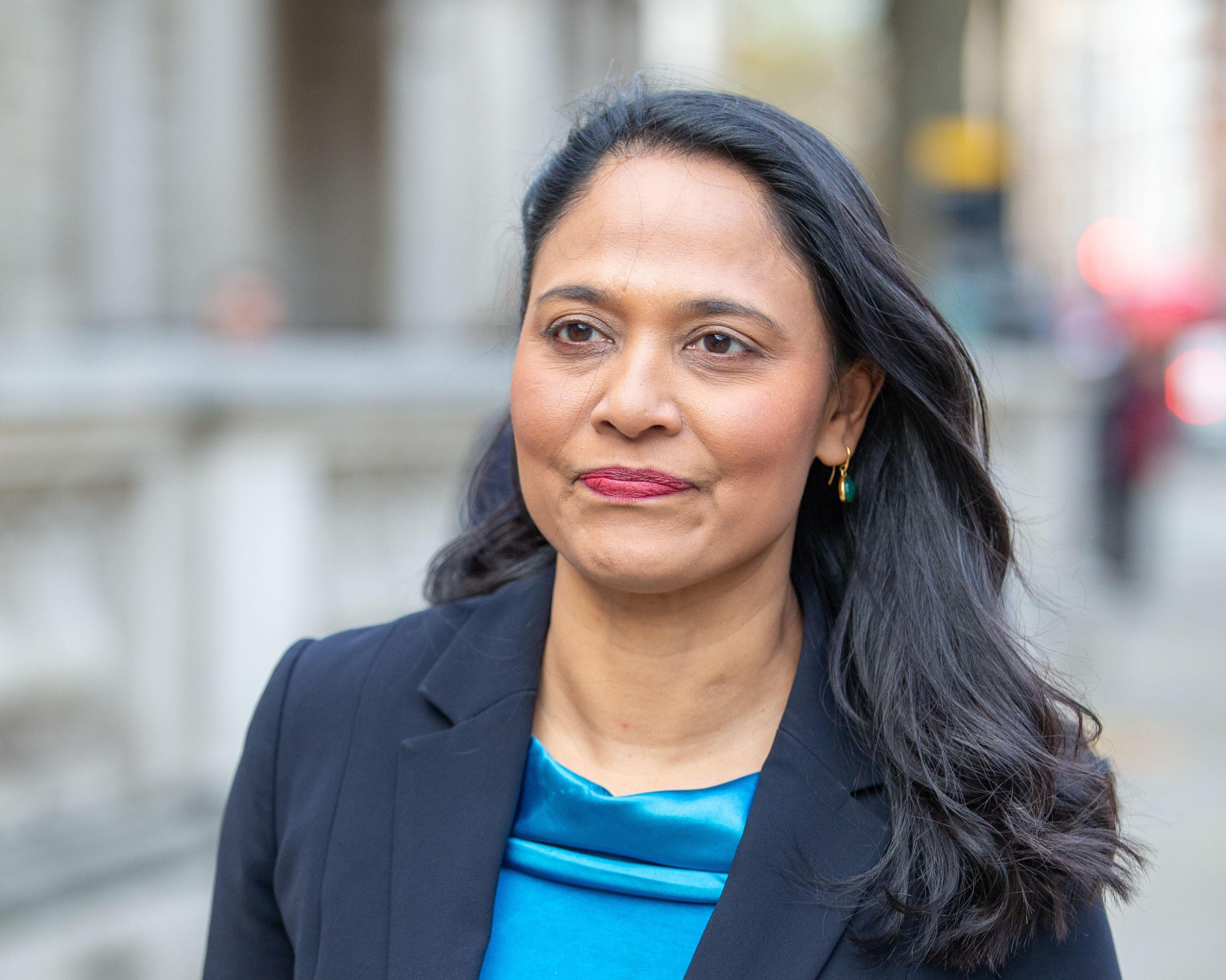
Incoming Prime Minister Andy Burnham faces mounting pressure from within his own party to significantly strengthen the government’s elections bill, with former democracy minister Rushanara Ali describing the current draft as "timid and limited." Ali, who resigned from the previous administration in August 2025, has called for a more comprehensive approach to voting reform, a total ban on cryptocurrency donations, and stricter regulations on social media disinformation.
Ali, who assisted in drafting the initial legislation, criticised the previous government’s "incremental" approach, stating she would have made the bill "much, much more comprehensive" had she been in a position to do so. She highlighted specific deficiencies in the current draft, particularly regarding online hostility, intimidation, and harassment of candidates, noting that advancing these reforms was challenging within the Department for Science, Innovation and Technology.
The elections bill has been delayed until after the summer recess to allow parliamentary time for the Hillsborough law, a move that provides Burnham with an opportunity to reshape the legislation. This pause has emboldened dozens of Labour MPs, including Ali, to push for the establishment of a national commission on voting reform and tougher rules on digital currencies, citing concerns over undisclosed crypto donations to political parties such as Reform UK.
Ali is among those seeking changes to the Representation of the People bill and had been preparing to rebel against the government in a series of votes. However, the delay of the bill’s next stage has made immediate rebellion less likely, shifting the focus to how Burnham will utilise the recess to address the concerns of MPs who believe the previous government’s caution contributed to a slump in polling numbers.
Key to Ali’s demands is a complete ban on cryptocurrency donations rather than the government’s current moratorium. She argued that the moratorium leaves the door open for further interference in democracy through illegitimate donations, pointing to revelations that Reform UK received millions of pounds in undisclosed gifts from crypto entrepreneurs. She urged the government to act immediately to prevent such interference.
Other reforms Ali is advocating for include tougher regulation of disinformation on social media and stricter rules to prevent harassment of MPs and candidates. Lucy Powell, a close ally of Burnham, has tabled an amendment proposing that social media companies face similar restrictions in the run-up to elections as those currently applied to broadcasters, aligning with calls to combat deepfakes and far-right hostility online.
While Burnham is likely to face the same electoral and financial impediments that stymied his predecessor, Ali and her colleagues are hoping he will prove more willing to embrace radical change. The coming months will be critical in determining whether the new government can deliver the bolder action on voting reform and digital regulation that many within the party believe is necessary to restore public trust.