Former ICC Prosecutor Claims International Justice Yielded to Political Pressure
In a discussion published on 24 May 2026, the former chief prosecutor of the International Criminal Court outlined the political interference and lack of support from member states she encountered during her tenure.
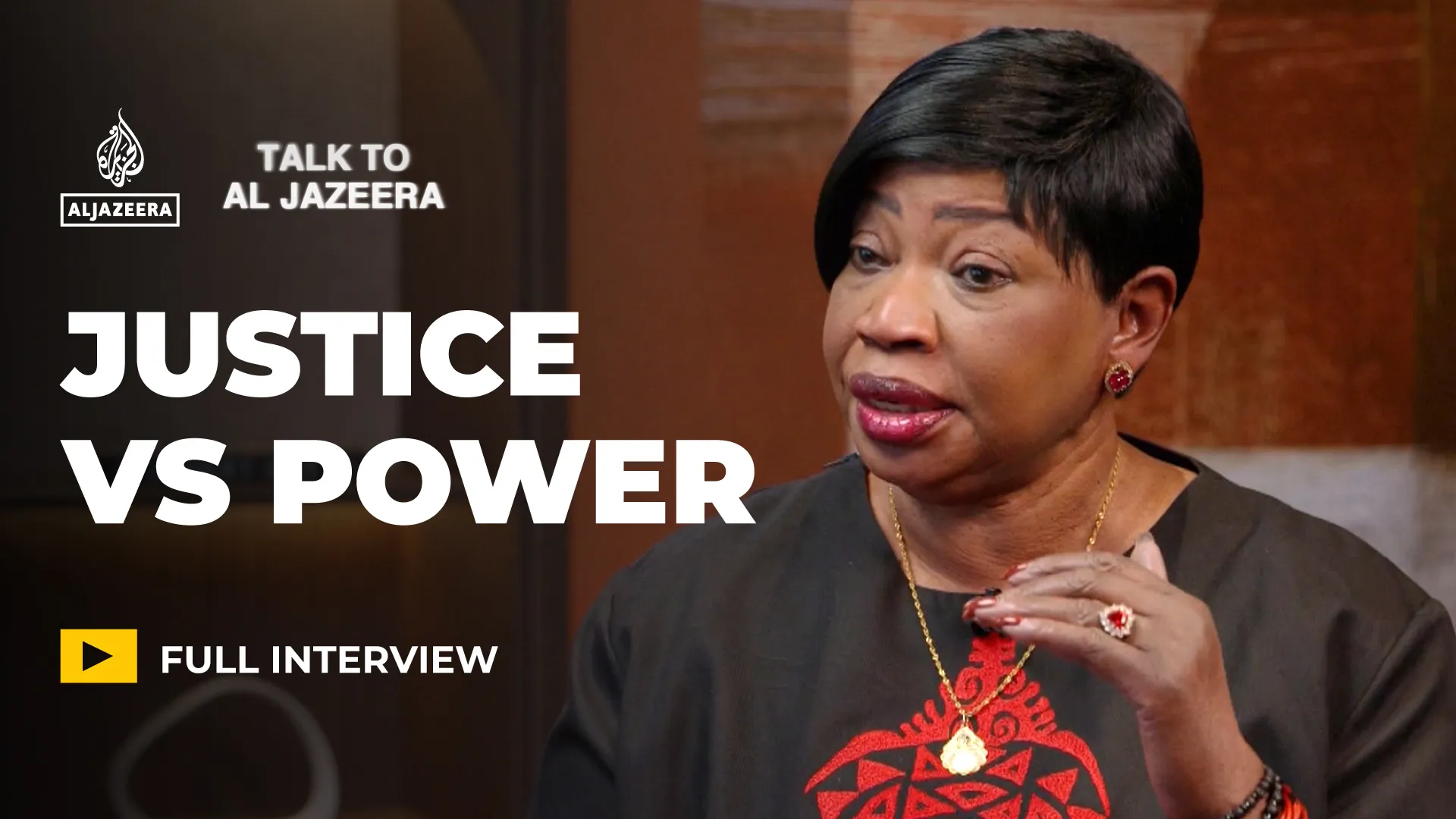
Fatou Bensouda, the former chief prosecutor of the International Criminal Court (ICC), has stated that the institution’s pursuit of international justice is being compromised by political interests. In a discussion published on 24 May 2026, Bensouda detailed the threats, pressure, and sanctions she faced while pursuing investigations into Palestine, describing a landscape where legal proceedings were increasingly subordinated to geopolitical manoeuvring.
Bensouda, who served as the ICC’s chief prosecutor, reflected on the specific challenges encountered during her tenure, particularly regarding the court’s inquiries into conflicts involving Israel and Palestine. She asserted that Israel sought to halt these investigations and noted that she felt unsupported by ICC member states during these proceedings. Her comments highlight the friction between the court’s mandate and the political realities faced by its leadership.
The former prosecutor also addressed the impact of external sanctions, specifically those imposed by the United States. Bensouda discussed how these measures affected her tenure and the operational capacity of the ICC. The United States has previously imposed sanctions on ICC officials, creating significant tension between Washington and the The Hague-based court, a dynamic Bensouda acknowledged in her assessment of the pressures exerted on the institution.
Addressing criticisms levied against the court, Bensouda responded to accusations of double standards within the ICC’s judicial processes. She argued that the selective application of international law undermines the credibility of the court. Her remarks suggest a concern that the institution’s legitimacy is being eroded by perceptions of bias and political selectivity in its case selection and prosecution strategies.
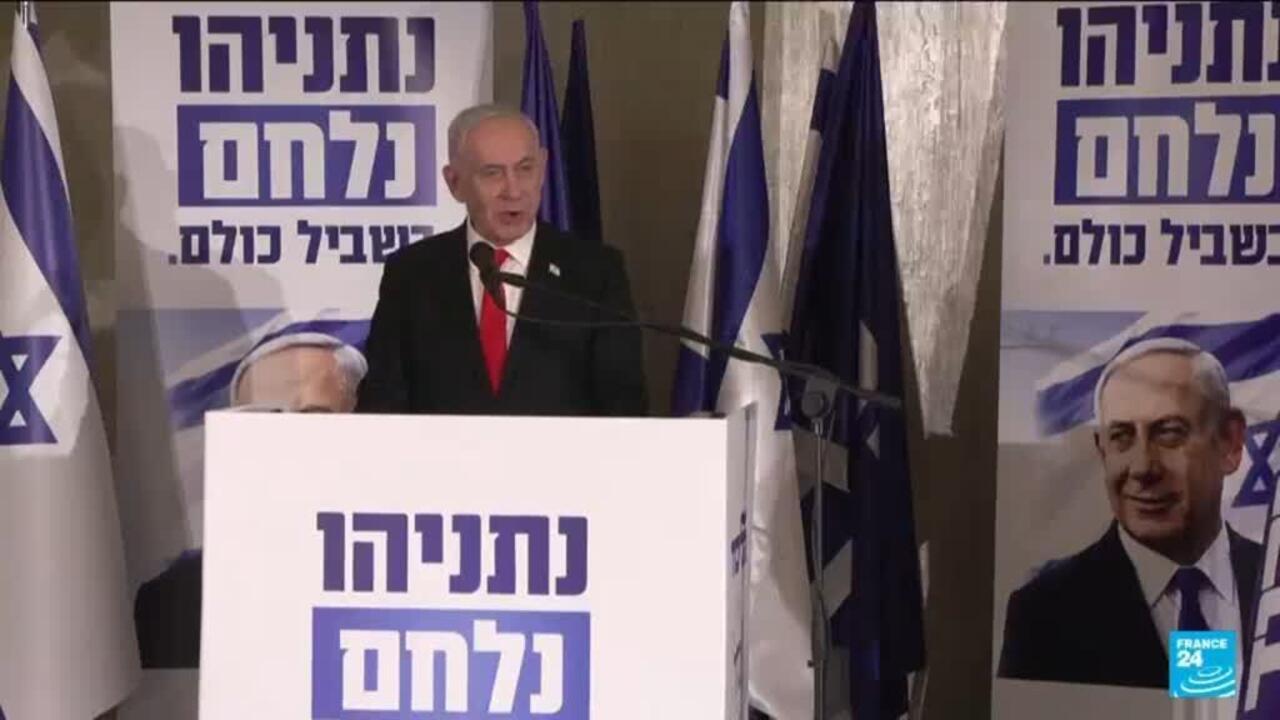
Bensouda further considered the feasibility of bringing high-profile political figures to justice, including Israeli Prime Minister Benjamin Netanyahu. She questioned whether leaders such as Netanyahu could ever be brought before the court, reflecting on the structural and political barriers that prevent such proceedings. Her assessment underscores the difficulties the ICC faces in holding state leaders accountable when they are protected by powerful international allies.
The discussion, which lasted 28 minutes, was published by Al Jazeera and provided a platform for Bensouda to articulate her perspective on the intersection of legal proceedings and political interests. While her account offers insight into the internal and external pressures faced by the ICC, it remains a personal reflection on the challenges of maintaining judicial independence in a polarised global environment.
As the ICC continues to navigate complex geopolitical tensions, particularly in the Middle East, Bensouda’s comments serve as a stark reminder of the vulnerabilities faced by international legal institutions. The ongoing scrutiny of the court’s role in conflict zones, combined with the threat of sanctions and political pressure, presents a significant challenge to its ability to function as an impartial arbiter of international justice.