Former Fed President: Iran War and Oil Spike Drive Rate Hike Debate
Robert Kaplan argues geopolitical supply shocks, not domestic factors, are the primary catalyst for renewed speculation on Federal Reserve tightening.
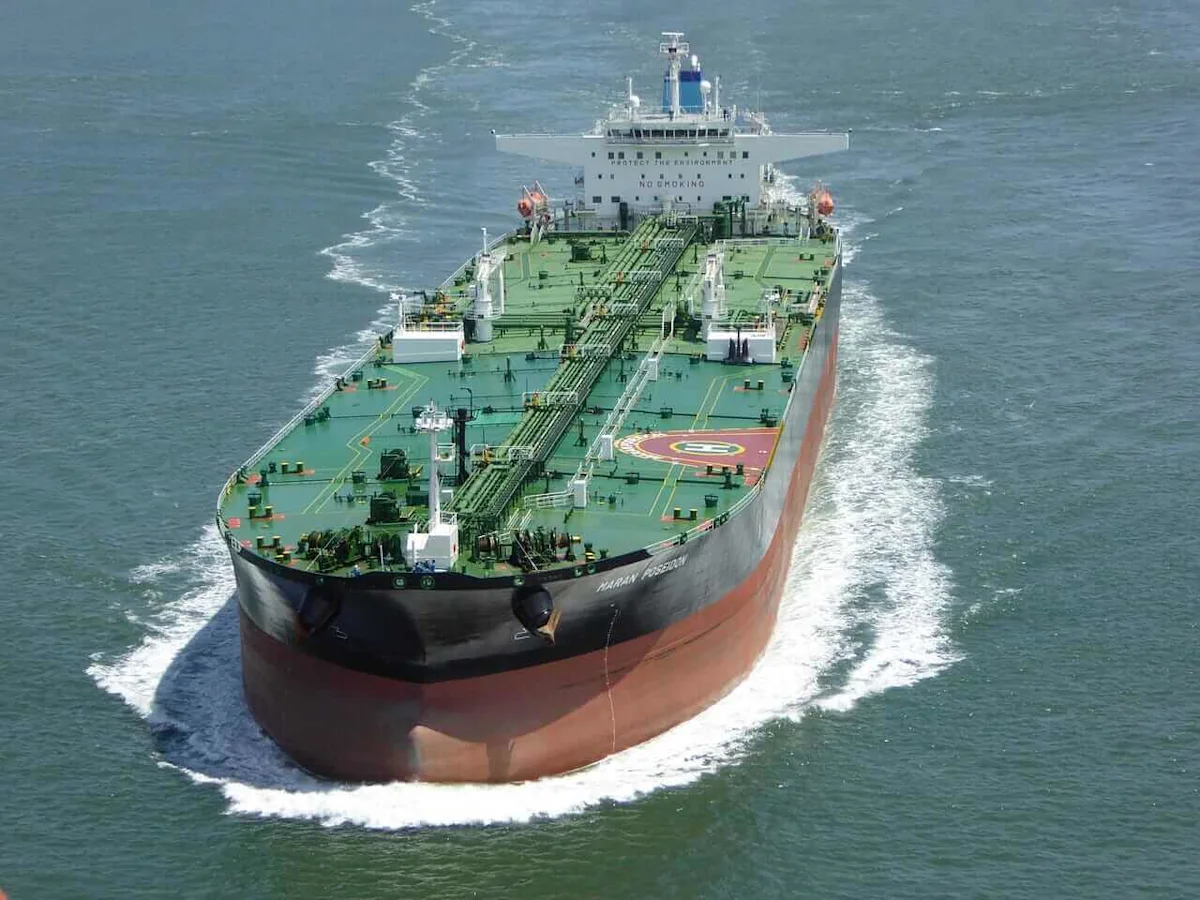
Robert Kaplan, former President of the Federal Reserve Bank of Dallas and current Vice Chairman of Goldman Sachs, has attributed the renewed market debate over potential interest rate hikes to the war in Iran and the subsequent surge in oil prices. Speaking on Bloomberg Television, Kaplan stated that without the geopolitical conflict and the resulting spike in crude oil, the discussion regarding a rate increase would likely not exist at all.
Kaplan argued that the oil price surge has elevated headline inflation, a trend he believes is beginning to "lead into other items" beyond the energy sector. This mechanism shifts the narrative from a temporary supply shock to a broader inflation problem, influencing the Federal Reserve’s policy outlook. This perspective cuts against the prevailing market argument, which has focused almost entirely on domestic economic factors such as tariffs, labour supply, and the pace of AI-driven capital spending.
The former regional Fed president also offered a sharp critique of the central bank’s recent easing cycle. Kaplan stated that he would not have supported the Federal Reserve’s decision to cut rates in December, describing the move as a mistake. While he acknowledged that the Fed was correct not to raise rates in July, his comments represent a notable on-record dissent from a former voting member of the Federal Open Market Committee.
Regarding the trajectory of US monetary policy, Kaplan predicted that if the Fed funds rate ultimately needs to be higher, the increase would be modest. He estimated a potential rise of 50 to 75 basis points spread over the next one to two years. This forecast suggests a gradual tightening process rather than an immediate shift in policy, reflecting the complex balance of inflationary and disinflationary forces currently at play.
Kaplan also addressed the communication strategy of Federal Reserve Chair Kevin Warsh. He advised that the Fed should avoid over-explaining its thinking to prevent boxing itself in, a stance he described as good advice. However, he suggested that a brief explanation for the July decision would be helpful for market clarity. Recent Federal Reserve minutes indicate that policymakers are prepared to increase borrowing costs if inflation remains persistently high, a stance influenced by geopolitical supply disruptions in the Gulf of Oman and the Red Sea.