Foreign Policy Institute analyst argues US actions reinforce Iranian regime narratives
A senior researcher at the Foreign Policy Institute asserts that United States behaviour has validated long-standing claims by Tehran regarding American threats to national security
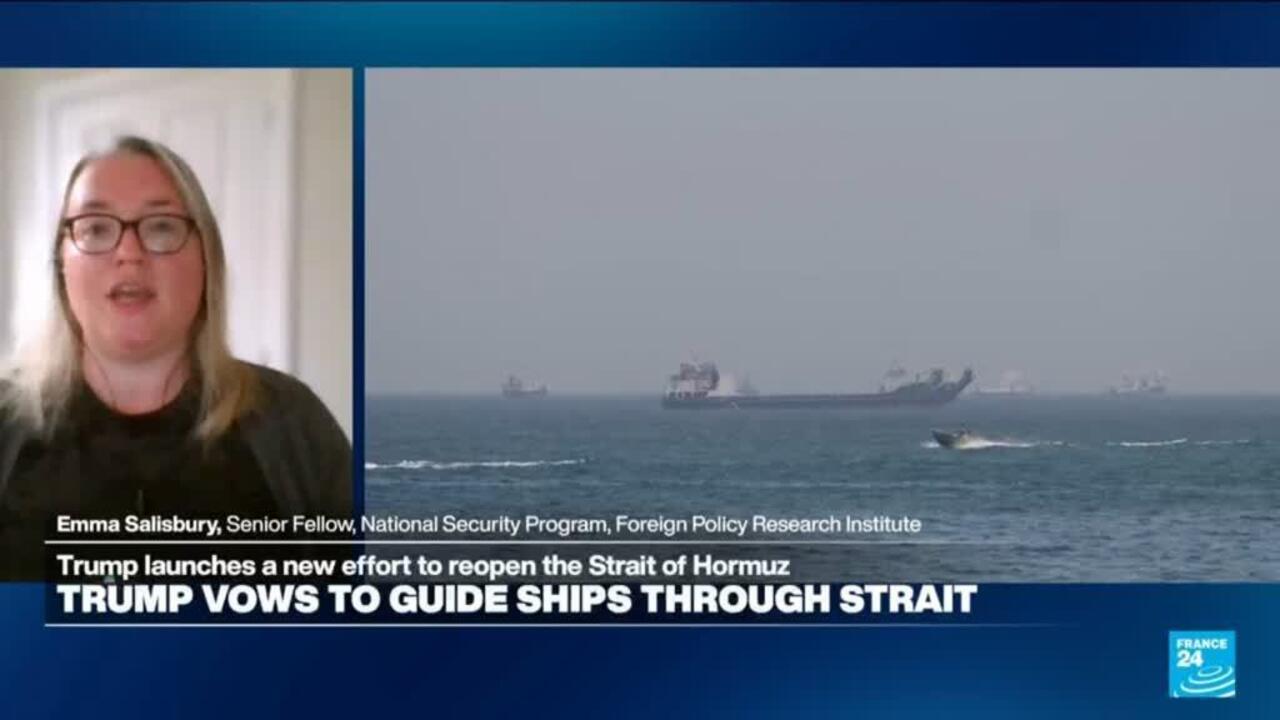
Emma Salisbury, Senior Research Fellow on the National Security Programme at the Foreign Policy Institute, has stated that recent actions by the United States have effectively confirmed claims made by the Iranian regime concerning American hostility. Speaking with FRANCE 24, Salisbury argued that the United States has validated the narrative promoted by Tehran that America poses a direct threat to Iran and its citizens.
According to the analyst, the Iranian regime consistently portrays the United States as an existential danger to the nation, a sentiment often encapsulated by the label of the great Satan. Salisbury noted that this depiction is maintained through constant messaging directed at the Iranian population regarding the perceived intent to destroy the country and its people.
In her assessment, the current administration under President Donald Trump has failed to counter this entrenched perception. Salisbury stated that the United States has done absolutely nothing to disabuse the population of the notion that America is an adversary seeking to undermine their security. She emphasised that despite the regime's consistent rhetoric, the US has not engaged in sufficient diplomatic or strategic communication to alter this view.
The analysis suggests that the gap between official US policy and the perception held by the Iranian public has widened rather than narrowed. Salisbury highlighted that the regime's portrayal of the United States as a hostile force remains unchallenged by the current leadership in Washington.
This perspective underscores the difficulty of influencing foreign narratives through policy alone when the underlying perception of threat is deeply embedded within the domestic political landscape of Iran. The Foreign Policy Institute's research indicates that without a significant shift in how these interactions are perceived, the regime's framing of US intentions will likely persist.
Salisbury's comments serve as a critical examination of the current diplomatic landscape, suggesting that the United States must reconsider its approach to counter-narrative strategies if it wishes to alter the strategic environment in the region. The analysis remains grounded in the observation that recent conduct has reinforced, rather than dispelled, the regime's core assertions.