Foreign Office data confirms up to 90% aid cuts to African nations by 2029
New figures reveal significant reductions in direct overseas development assistance, prompting warnings of increased instability and questions over the UK’s international standing ahead of its G20 chairmanship.
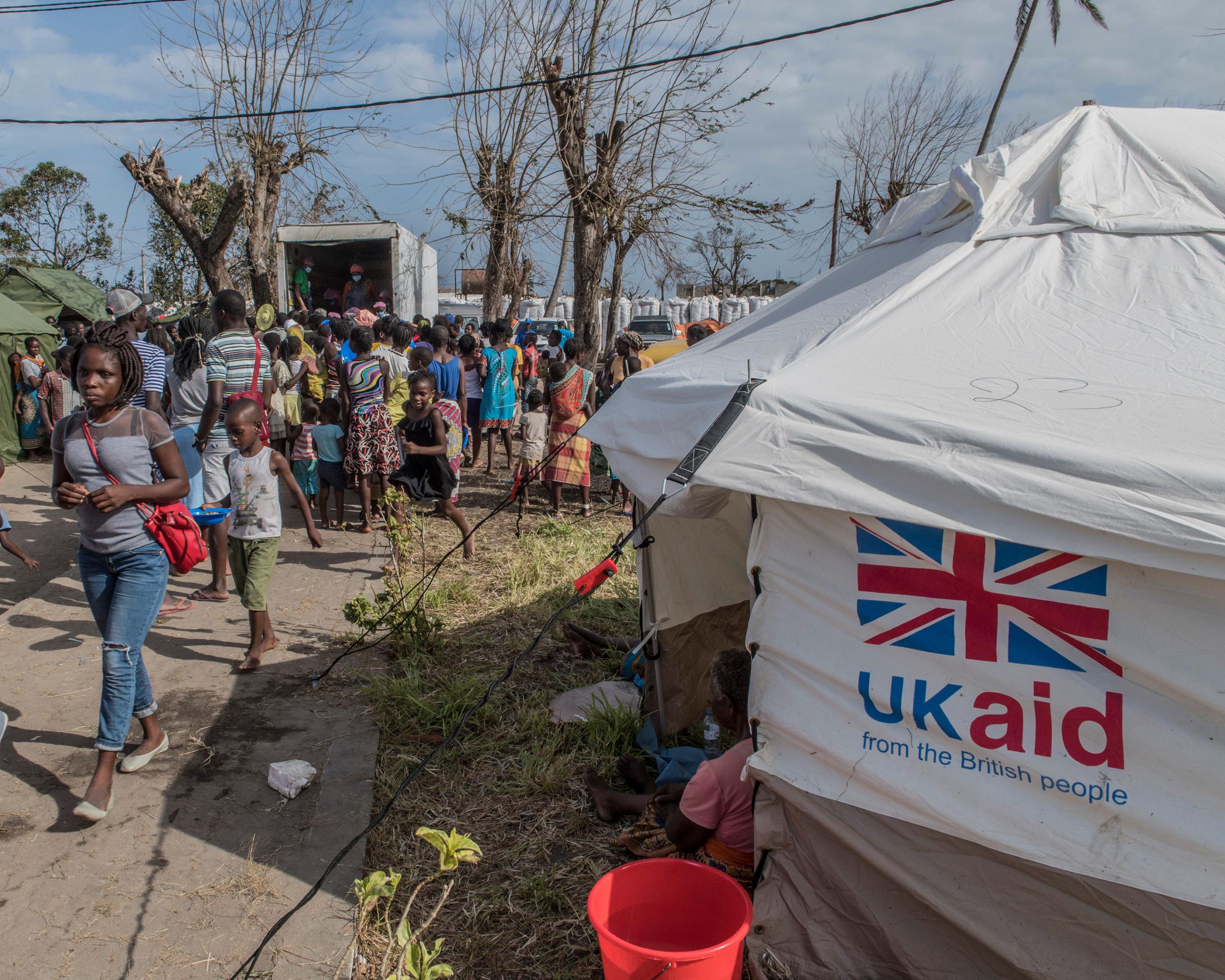
Foreign Office annual reports have confirmed that the Labour government’s restructuring of overseas aid will result in bilateral support reductions of up to 90% for specific African countries by 2029. Analysis by the charity umbrella group Bond indicates that Mozambique and Malawi will face the steepest declines, while Rwanda and Sierra Leone are set to see an 80% cut, and Somalia a 49% reduction. These figures provide the first detailed breakdown of how the department intends to implement the spending reductions announced last year to bolster the defence budget.
The decision to curtail direct grant overseas development assistance (ODA) followed the resignation of development minister Anneliese Dodds, who opposed the scale of the cuts. In a written statement to parliament in March, foreign secretary Yvette Cooper defended the strategy, stating that the UK would transition away from high levels of bilateral spending in favour of multilateral partnerships. Cooper argued that channeling resources through institutions such as the World Bank represents a more efficient use of straitened resources, allowing the UK to deliver impact through modernised partnerships rather than direct bilateral grants.
Development minister Jenny Chapman has similarly defended the approach, citing the need to respond to global crises that affect domestic security and economic stability. Chapman pointed to rising food and fertiliser costs driven by conflict in the Middle East and the urgent health security risks posed by the Ebola outbreak in the Democratic Republic of Congo as evidence that the world has changed. She maintained that the government is not turning away from these challenges but is instead ensuring every pound of development spending works harder for taxpayers and those facing the toughest crises.
Critics, however, argue that the scale of the reduction jeopardises vital projects and signals a diminished international role for the United Kingdom. Romilly Greenhill, chief executive of Bond, warned that slashing funding to countries on the frontlines of conflict and the climate crisis risks plunging populations into poverty and instability. Lisa Wise of Save the Children echoed these concerns, stating that the international budget allocations reflect a withdrawal of public investment in the countries and children that need it most, sending a negative message about the UK’s desired role on the global stage.
The debate over development policy is now set to intensify as the leadership transition approaches. Incoming prime minister Andy Burnham is expected to appoint a new foreign secretary, with current energy secretary Ed Miliband viewed as a likely contender. Some MPs have urged the new leadership to set a path back towards the 0.7% of national income target for overseas aid, particularly as the UK prepares to take on the chair of the G20 next year. Bond has urged the new administration to use this platform to champion global reforms addressing poverty and inequality among marginalised communities.