Foreign Minister Wang Yi concludes five-day tour of Cambodia, Thailand and Myanmar to institutionalise Beijing's regional role
Analysts note a shift in Southeast Asian sentiment, with polling suggesting growing preference for alignment with Beijing over Washington.
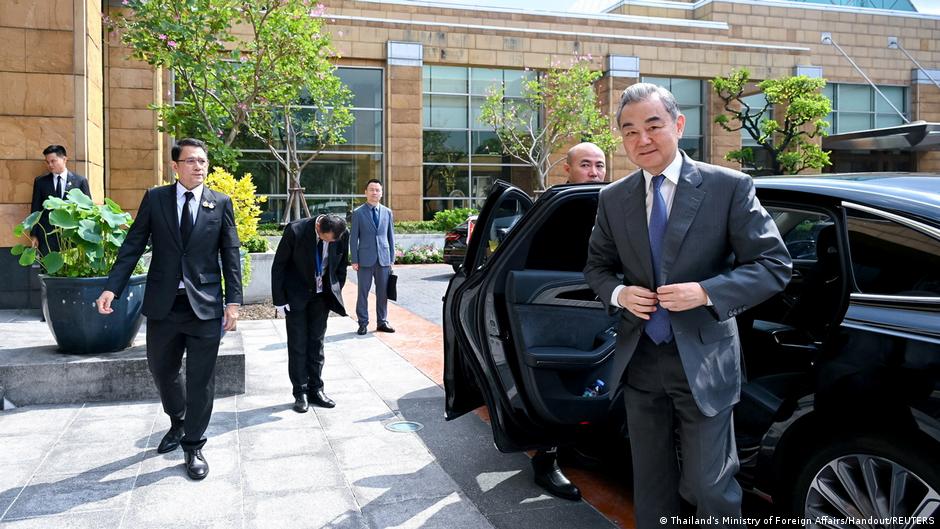
Foreign Minister Wang Yi has concluded a five-day diplomatic tour of Cambodia, Thailand and Myanmar, positioning Beijing as a stable regional partner amidst global instability. The visit aimed to counter perceived unreliability in US policy driven by the Iran war, trade tensions, and tariff disputes, while reinforcing China's commitment to the region.
Key outcomes included the inaugural China-Cambodia 2+2 strategic dialogue, agreements to combat transnational crime and cyberscams in Thailand, and discussions on border stability and the China-Myanmar Economic Corridor. These developments mark a significant shift from purely economic cooperation toward structured political and security alignment between Beijing and its neighbours.
The timing of the tour coincides with Southeast Asia grappling with economic fallout from the Iran war, including rising energy prices and inflation, alongside uncertainty regarding US tariff policies. Higher fuel and shipping costs are feeding inflation, while a prolonged Middle East conflict is expected to significantly cut regional growth and lead to a major cost of living crisis.
Recent polling by the ISEAS–Yusof Ishak Institute indicates a shift in sentiment, with 55.6% of respondents expecting improved relations with China over the next three years, compared to 52% preferring the US in the previous year's survey. This data suggests a growing trust in China and a preference for alignment with Beijing over Washington in potential conflicts.
In Cambodia, Wang Yi and Chinese Defence Minister Dong Jun participated in the new strategic dialogue, a move that signals a deepening of an already close relationship. The visit also placed Cambodia's scam industry on the bilateral agenda, with both sides addressing the issue of online fraud compounds under international pressure.
Thailand and China agreed to deepen cooperation against transnational crime and cyberscams, a sensitive issue given the involvement of Chinese nationals and syndicates in regional scam compounds. Additionally, the visit addressed the volatile Thai-Cambodia border conflict, where China is positioned as a potential mediator compared to the US, following a series of failed ceasefires that have displaced hundreds of thousands of people.
In Myanmar, Wang Yi met with junta leader Min Aung Hlaing following disputed elections, reaffirming support for the junta's sovereignty and focusing on border security and the China-Myanmar Economic Corridor. Beijing continues to engage with the post-election government to protect its strategic interests and secure progress on the landmark infrastructure project.