Fixed wireless can rival wired broadband, but address remains decisive
Engadget’s comparison finds fibre, cable, DSL and 4G or 5G fixed wireless each carry different trade-offs on speed, reliability, installation and price.
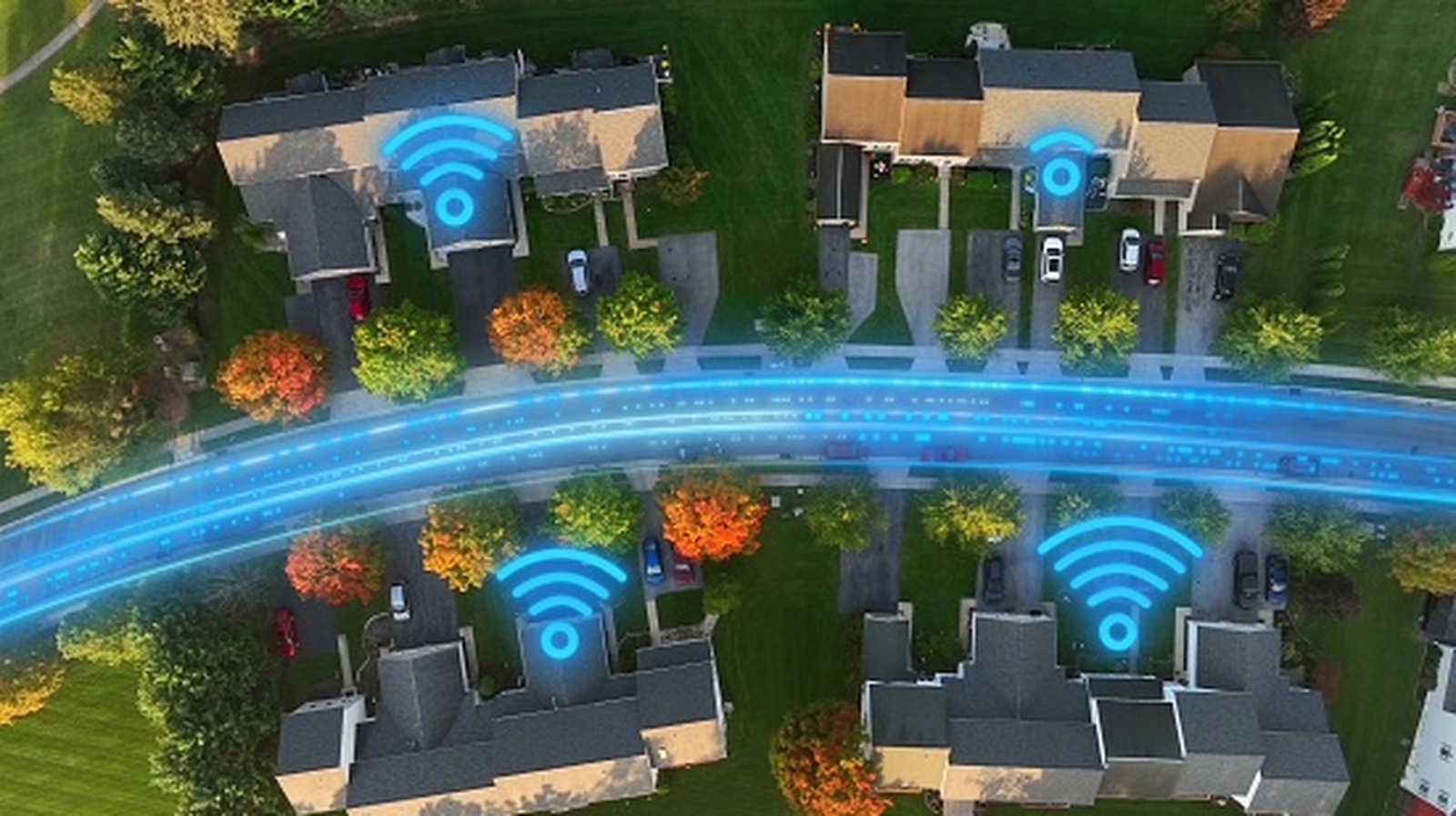
The choice between wired and fixed-wireless home internet starts with what is available at a particular address, according to an Engadget comparison. Wired services use fibre, coaxial cable or DSL to bring the connection to a property, while fixed wireless uses a 4G LTE or 5G network and an indoor gateway.
The distinction applies to the provider-to-home connection, rather than Wi-Fi versus Ethernet inside the house. Both types of service can distribute connectivity through Wi-Fi or Ethernet once the gateway is installed, meaning poor coverage in one room does not necessarily indicate a problem with the incoming internet connection.
Fibre generally offers the highest performance ceiling, with modern cable also capable of fast downloads. Fixed wireless can deliver a competitive everyday experience despite typically recording lower raw speeds than fibre or cable. Reported performance varies widely according to the provider, plan, location, signal conditions and network demand, while advertised or typical speeds are not guarantees.
Fixed wireless can also be simpler to install, as customers can often set up a gateway themselves and position it to receive a stronger signal. That may make it attractive where wired services are slow, expensive or inconvenient to install. Wired connections, however, do not depend on a cellular signal, although they can still face congestion, equipment failures and outages.
Availability is not assured by mobile coverage alone: 5G service on a phone does not guarantee that 5G home internet is offered at the same address. The FCC National Broadband Map can show providers, connection technologies and advertised speeds, but its information is provider-submitted and does not measure actual performance or affordability.
Engadget recommends comparing the plans that can actually be purchased, including speeds, latency, monthly pricing, equipment and installation charges, data limits and promotional terms. For fixed wireless, a trial period can help assess performance because cellular conditions differ between addresses.