First tranche of 70,000 Ervebo doses lands in Kinshasa as DRC outbreak deepens
The World Health Organization’s initial delivery of 16,250 vaccine doses arrives in the Democratic Republic of the Congo, where officials are deploying a Zaire-approved vaccine against the circulating Bundibugyo strain.
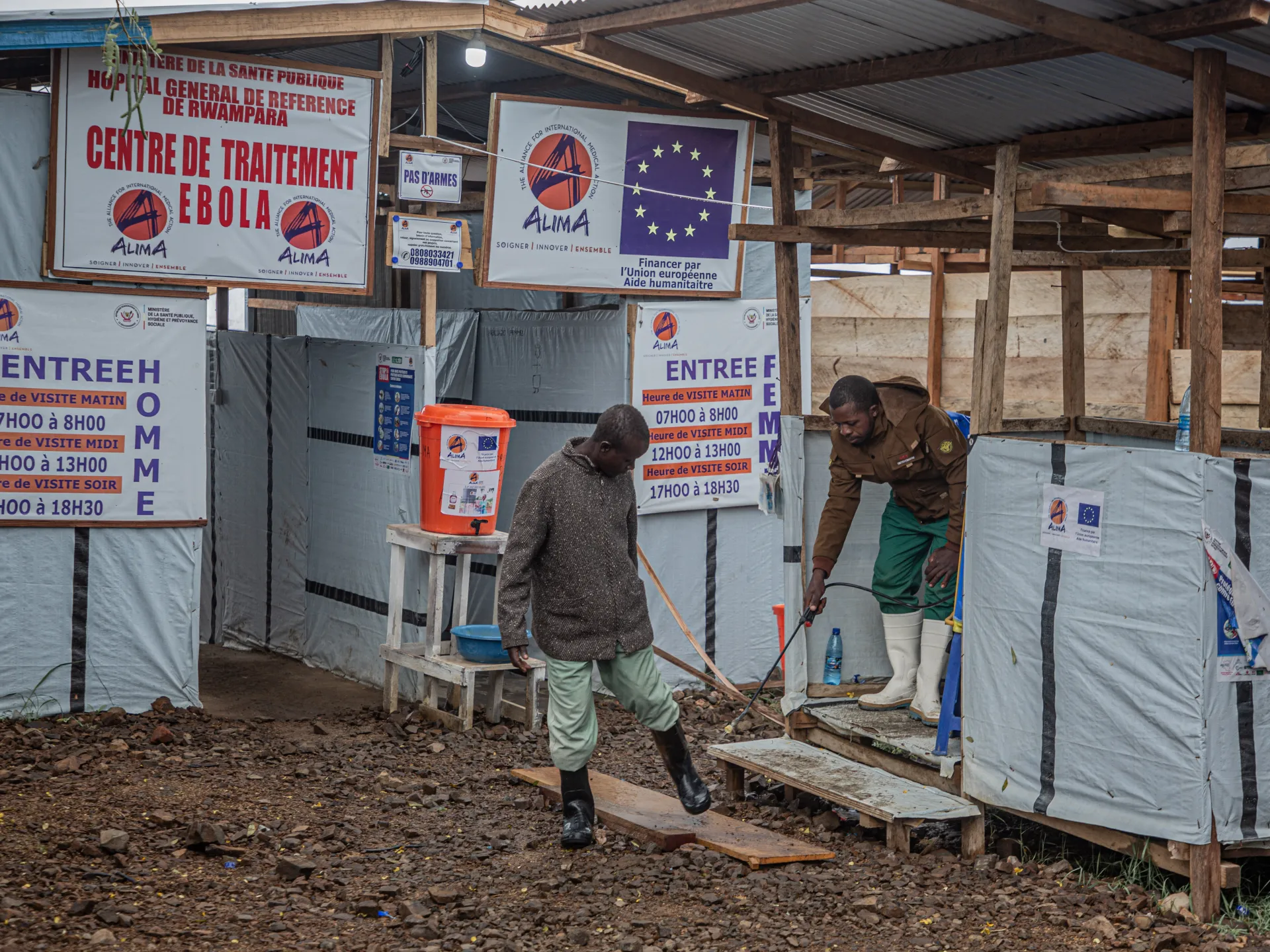
More than 16,000 doses of the Ervebo vaccine arrived in Kinshasa late on Friday evening, marking the first delivery of a 70,000-dose pledge made by the World Health Organization and partners. The shipment lands as the Democratic Republic of the Congo confronts its deadliest-ever Ebola outbreak, which has claimed more than 2,500 lives from nearly 5,300 confirmed cases.
The arrival highlights a significant policy challenge: the Ervebo vaccine is currently approved for the Zaire strain of the virus, whereas the DRC is battling the Bundibugyo strain. According to the WHO, early data from animal trials suggests the vaccine may offer some protection against the circulating strain, though efficacy remains unconfirmed.
Of the total 70,000 doses pledged for the country, 20,000 have been allocated for a late-stage clinical trial to test the vaccine’s effect on the Bundibugyo strain. The remaining doses are designated for front-line and health workers, prioritising those most at risk of exposure in the field.
DRC Health Minister Samuel Roger Kamba told reporters that Ervebo had been used several times in the past, including on a “very large scale” during the 2018 to 2020 outbreak. His comments aim to bolster confidence in the vaccine’s utility despite the strain mismatch.
The timing of the delivery is critical, as the United Nations warned this week that infections continue to spread “exponentially.” Although the outbreak was officially declared in mid-May, it is believed to have started weeks earlier. Data from the Africa Centres for Disease Control and Prevention indicates that transmission has not yet peaked and could reach three times its known rate.
Containment efforts remain stymied by ongoing armed conflict, delays in identifying cases, and a lack of infrastructure in eastern DRC. As the clinical trial proceeds, the international community faces the pressure of scaling up distribution before the projected peak in transmission is reached.