Fire in Indian animation studio kills 14, sparking safety inquiries
A blaze in Lucknow’s commercial district has claimed the lives of at least 14 people, predominantly college students, highlighting persistent gaps in building safety enforcement across the region.
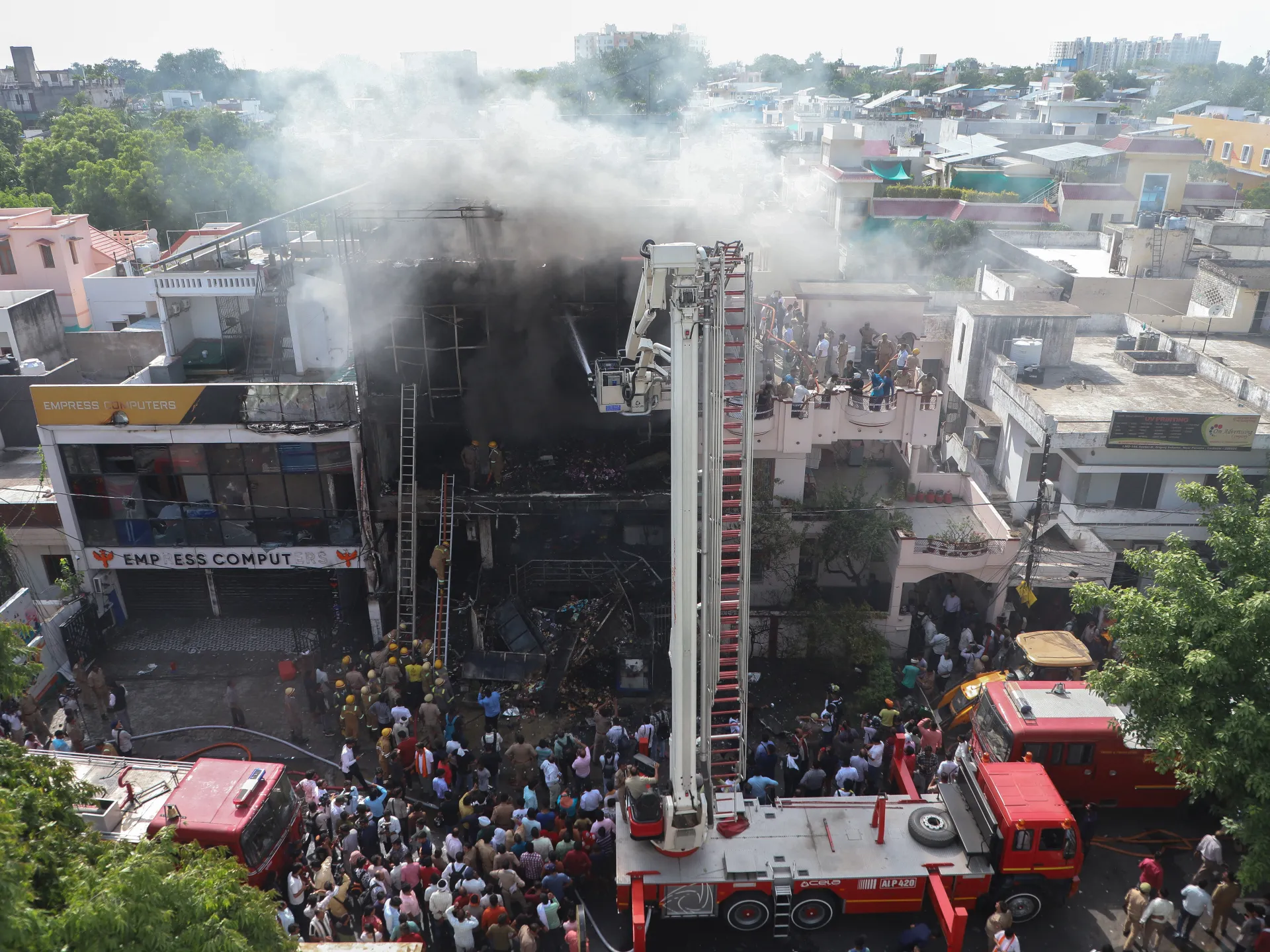
A fire broke out on Monday in a three-storey commercial building in Lucknow, the capital of Uttar Pradesh, killing at least 14 people and injuring four others. The blaze originated on the middle floor, which housed a library and an animation studio catering to college students, while a veterinary clinic occupied another level of the structure. Deputy Chief Minister Brajesh Pathak confirmed the official casualty figures, describing the deceased as "children from happy families" and noting that the majority were students, although it remains unverified whether all victims were affiliated with the educational institutions.
Emergency responders faced significant obstacles upon arrival, as dense smoke severely hampered initial rescue operations. Firefighters were forced to break through a wall to gain entry into the building. Exhaust fans were subsequently deployed to clear the air while crews conducted searches for survivors. Mohammad Asin, an employee at the animation studio, stated that workers had just returned from lunch when the fire started. He reported that what was initially perceived as a small fire rapidly escalated, filling rooms and passageways with smoke before occupants could evacuate.
Visual evidence from the scene circulated widely on social media, showing individuals climbing out of broken windows to escape the flames. One video appeared to depict a man falling from an upper floor during his escape attempt; however, local media reports confirmed that the individual survived and was transported to a hospital for treatment. The incident has drawn attention to the building’s location in a residential neighbourhood within the state capital, raising questions about the zoning and safety compliance of mixed-use commercial properties.
The exact cause of the fire has not been determined, but electrical short circuits are frequently cited as the primary driver of such incidents in India. These failures are often linked to poorly maintained wiring and a systemic disregard for established safety regulations. The lack of adequate firefighting equipment in many commercial buildings further exacerbates the risk, contributing to the high frequency of building fires across the country.
This tragedy underscores the ongoing challenges in enforcing building codes and safety standards in India’s urban centres. With casualty figures varying slightly in early reports, with some sources citing 15 casualties, the confirmed death toll of 14 stands as a stark reminder of the vulnerabilities faced by students and workers in inadequately regulated structures. Authorities continue to investigate the specific triggers of the blaze, while calls for stricter regulatory oversight are expected to intensify in the wake of the disaster.