FIFA World Cup 2026: Record participation masks exclusionary policies
The 2026 FIFA World Cup features the largest number of participating nations in history, yet visa restrictions, high ticket prices, and immigration concerns have created a politically charged atmosphere that critics say undermines the sport's global appeal.

The 2026 FIFA World Cup has commenced with a stark contradiction at its core. While the tournament boasts the largest number of participating nations in football history, it is simultaneously defined by policies that restrict access for many fans. Jules Boykoff, a professor at Pacific University of Oregon and author on the politics of football, characterises this dynamic as a profound paradox. The event unfolds amid visa restrictions, elevated ticket prices, immigration enforcement concerns, and geopolitical tensions, transforming what might otherwise be a celebration of sport into one of the most politically charged World Cups in recent memory.
The tournament officially began on 11 June 2026 at the Estadio Azteca, where Mexico defeated South Africa 2-0 in the opening match. Julian Quinones scored the first goal of the competition in the ninth minute, followed by a second from Raul Jimenez in the 67th minute. South Africa’s performance was further complicated by disciplinary issues, with Sphephelo Sithole sent off in the 49th minute and Themba Zwane dismissed in the 84th minute, leaving the team with eight players for the final stages of the game.
Beyond the pitch, the commercial and administrative framework of the tournament has drawn scrutiny. FIFA president Gianni Infantino has faced criticism regarding the commercial aspects of the event, particularly the expanded format and the resulting elevated ticket prices. These factors, combined with concerns over US host credentials and entry restrictions, have raised questions about who the tournament is designed to serve, contrasting sharply with the inclusive scale of the participating nations.
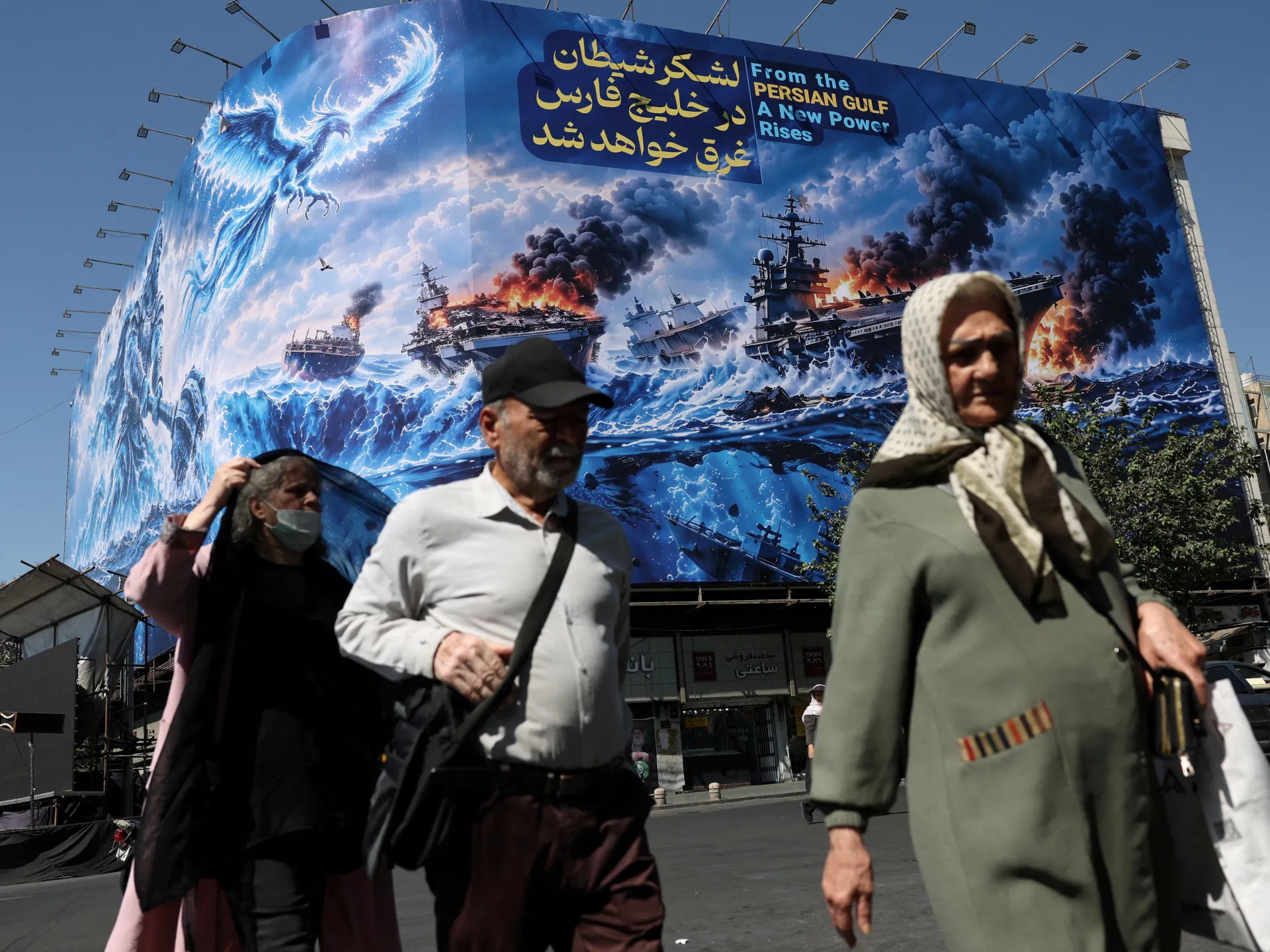
The political landscape surrounding the event is further complicated by ongoing regional conflicts. A fragile ceasefire between Iran and Israel, established in early April 2026, was disrupted by an Israeli attack on Beirut’s southern suburbs in late May, which resulted in two deaths and 20 injuries. These geopolitical tensions contribute to the charged atmosphere, mirroring historical precedents such as the 1994 World Cup in the United States and the 1978 tournament in Argentina, where sport and politics intersected in complex ways.
As the tournament progresses, the disparity between the event's global reach and the barriers facing fans remains a central point of contention. The combination of exclusionary policies and high costs stands in opposition to the historical significance of the World Cup as a unifying global event. Critics argue that these conditions risk undermining the social and cultural value of the game, even as the number of participating countries reaches an all-time high.