Fifa upgrades offside protocols for 2026 World Cup with 10cm detection threshold
The governing body has lowered the offside alert threshold from 50cm to 10cm, introduced AI-generated player avatars, and banned goalkeeper tactical timeouts ahead of the expanded tournament.
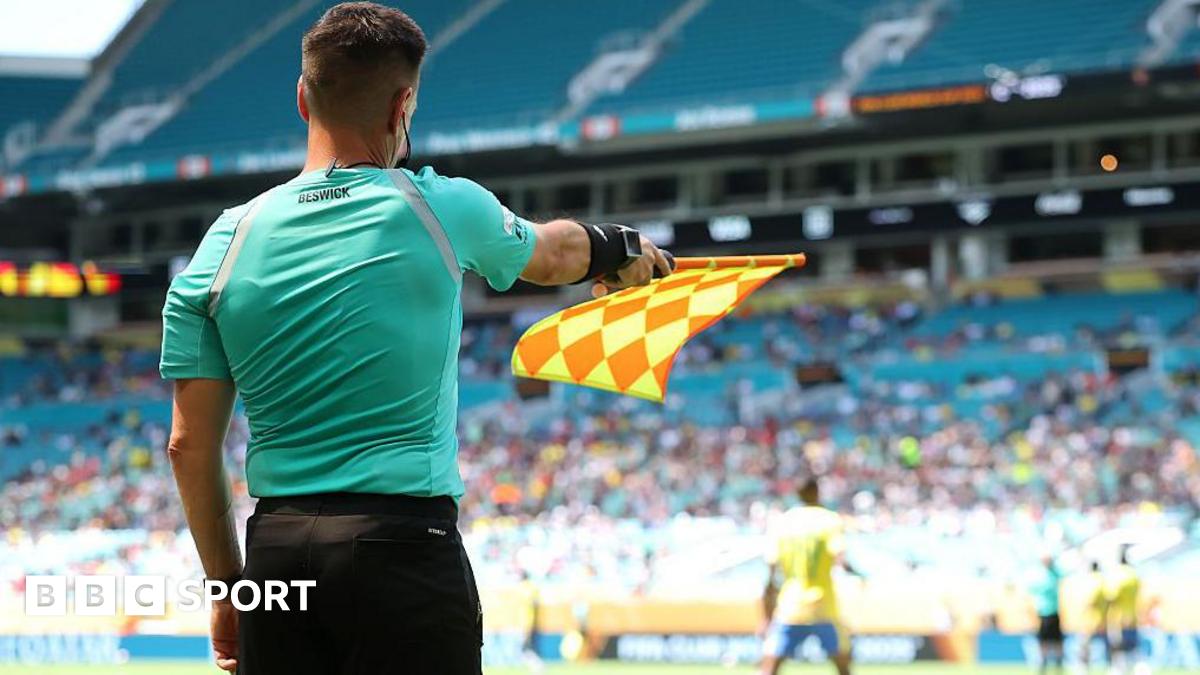
Fifa has announced the deployment of an upgraded semi-automated offside technology system for the 2026 World Cup, aiming to accelerate decision-making and reduce stoppages. The new protocol lowers the detection threshold for offside infractions from 50cm to 10cm, triggering real-time audio alerts for assistant referees to raise their flags immediately. This marks a significant shift from previous iterations tested at the Club World Cup and Intercontinental Cup, which only notified officials if a player was greater than 50cm offside.
The system utilises life-like, AI-enabled 3D avatars created from digital scans of all 1,248 players across the 48-team squads. These scans will be conducted during pre-tournament photo shoots, with each process taking approximately one second. The enhanced digital models are designed to produce clearer offside animations and assist video assistant referees (VAR) in making more accurate positional judgments.
Despite the technological advancements, the official assistant referee retains the authority to raise the flag and stop play. Fifa has stated that the official may keep the flag down if they suspect a malfunction, citing a series of failsafe measures designed to prevent errors. However, the technology remains limited to positional calls and cannot make subjective judgments regarding whether a player interfered with an opponent without touching the ball.
Fifa hopes these changes will reduce the frustration felt by supporters and players, while also mitigating the risk of injury from needless passages of play. The move follows an incident in May 2025 where Nottingham Forest striker Taiwo Awoniyi required an induced coma after colliding with a goalpost while an assistant referee delayed raising an offside flag.
Additional enhancements include technology to determine if the ball went out of play before a goal was scored, utilising the ball’s internal chip to identify the last player to touch it. This aims to resolve ambiguities similar to those seen in February when Aston Villa had a goal disallowed against Brentford due to uncertainty over the ball’s position. Fifa has also expanded 'Real-time 3D Recreation' to assist with line-of-sight judgements by providing virtual feeds replicating goalkeeper perspectives.
Concurrently, Fifa has banned goalkeeper tactical timeouts at the tournament. The governing body noted that while the technology has limitations in detecting the closest offsides or when players are on the ground, the new measures are intended to provide VAR with extra tools to make quicker and clearer decisions.