FIFA shifts from public-good model to commercialisation strategy ahead of 2026 World Cup
Critics argue the governing body's focus on revenue maximisation excludes loyal fans and risks damaging the sport's long-term value
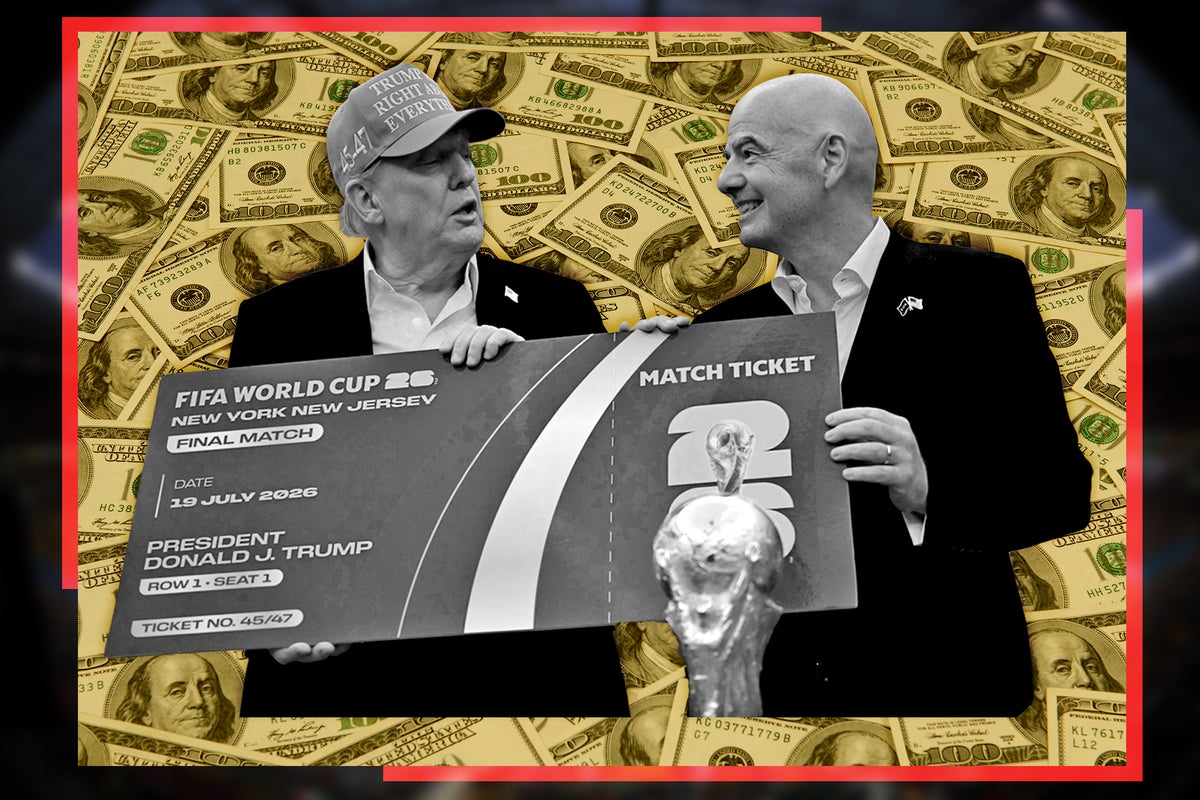
Ahead of the 2026 World Cup, FIFA faces intense scrutiny over ticket pricing, with estimates for full tournament attendance ranging from $10,000 to $35,000. Despite early projections of 500 million requests, sales remain significantly below expectations, even among US home supporters. This situation has prompted a broader examination of the governing body's governance model under President Gianni Infantino, which appears to have shifted from a European public-good approach to a US-style commercialisation strategy that prioritises revenue maximisation.
The report highlights key operational issues that accompany this strategic pivot, including mandatory 30 per cent service charges and inflated local transport costs. Heimo Schirgi, FIFA's chief operating officer for the tournament, admitted that recent local transport price hikes, such as day trips costing over $300, would have a chilling effect on attendance. These factors contribute to a lack of transparency regarding FIFA's financial position, specifically concerning its $2.5bn reserves and projected $11bn revenue.
While FIFA maintains its status as a non-profit charity and claims revenue is redistributed through the FIFA Forward programme, critics argue this approach excludes loyal fans and risks damaging the sport's long-term atmosphere. The organisation's decision to remove Local Organising Committees to take complete control has further excluded US Soccer from decision-making processes that affect local legacy and the fan experience.
Experts warn that pricing out passionate supporters may cause the true World Cup atmosphere to die, potentially fracturing the fan base and reducing long-term value. The shift away from a model intended to foster social cohesion towards one where sport is primarily viewed as a commodity to generate money marks a significant departure from previous tournament architectures.
Sources indicate that senior figures under Infantino are surrounded by US-based advisers working to fully optimise revenue using all tools available, with minimal interrogation of the actual merit of these decisions. This contrasts with earlier approaches where tournament architects considered the reactions of average fans, suggesting a fundamental change in how the event is being managed and marketed.
Ultimately, the controversy underscores a philosophical tension between football as a cultural good and US consumerism. As the tournament approaches, the focus remains on whether this commercialisation strategy will succeed in generating record revenue or if it will alienate the very supporters who create the value of the global football spectacle.