FIFA President Infantino weighs 64-team World Cup expansion amid governance and logistical scrutiny
While Gianni Infantino argues expansion incentivises smaller nations, regional confederations warn of diluting exclusivity and overwhelming host capacity.
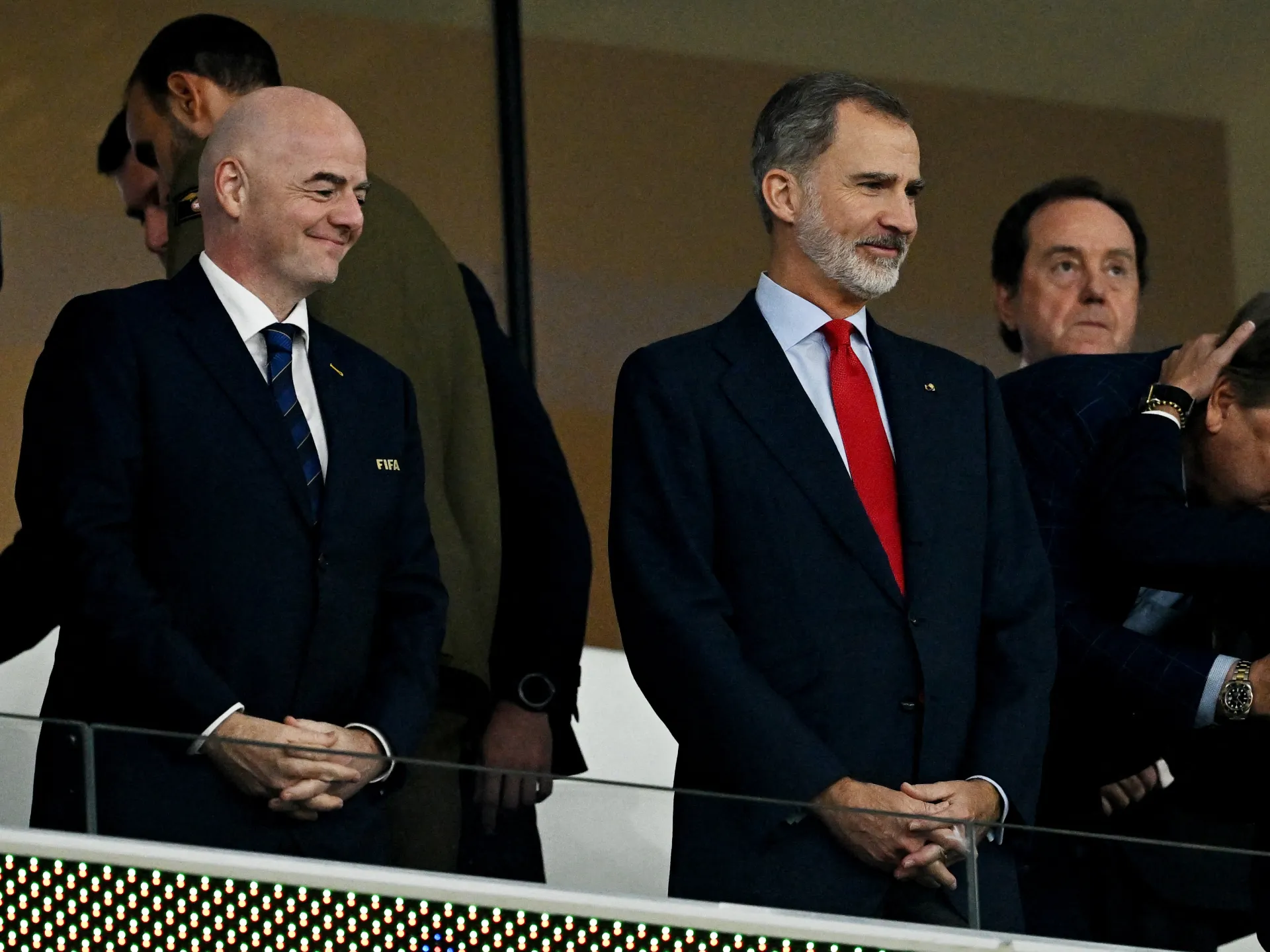
FIFA President Gianni Infantino has confirmed that a 64-team World Cup format is under consideration following the conclusion of the 2026 tournament, a move that could fundamentally reshape the sport’s economic landscape. Speaking to Swiss television during the event, Infantino indicated that the proposal would be examined once the final was complete, arguing that providing smaller nations with a pathway to the global stage is essential for maintaining competitive incentives.
The proposal has drawn immediate and firm opposition from key regional governing bodies. UEFA President Aleksander Ceferin and Asian Football Confederation President Sheikh Salman bin Ibrahim Al Khalifa have both voiced strong reservations, citing concerns over logistical strain, increased costs for national federations, and the potential dilution of the tournament’s exclusivity. Ceferin previously stated that he did not support the idea, noting it would negatively impact the commercial value of qualifying competitions.
From a financial perspective, the expansion could shift significant power towards FIFA. By making qualification easier for a larger number of nations, the commercial value of regional qualifying campaigns may diminish, potentially increasing the dependency of confederations on FIFA’s distributions. This centralisation of revenue could reduce the financial autonomy of regional bodies while consolidating influence within the global governing body.
Logistically, the implications are substantial. A 64-team tournament would comprise 128 matches, adding 24 games to the 2026 format and potentially extending the tournament duration by another week. This presents formidable challenges for future hosts, particularly Saudi Arabia, which is set to stage the 2034 World Cup alone. The kingdom has proposed 15 venues, with construction already underway for the 2027 Asian Cup, but an expanded format would require significantly more infrastructure, including stadiums, hotels, and transport capacity.
Scheduling conflicts further complicate the prospect of expansion. Saudi Arabia faces the challenge of aligning the tournament with Ramadan, which is expected to begin in mid-November 2034, potentially disrupting the November-December window used in 2022. Additionally, the growing number of domestic leagues, including Japan’s J-League and US Major League Soccer, are shifting to an August-to-May schedule. A winter World Cup would therefore disrupt an increasing number of competitions globally, raising concerns about player welfare and calendar congestion.
The financial burden on participating federations also remains a critical point of contention. The French Football Federation reported expecting to spend 24.5 million euros on the 2026 tournament, with President Philippe Diallo noting that reaching the semifinals is necessary to avoid a financial loss. An expanded tournament could increase these costs further, intensifying calls for greater financial support from FIFA to participating nations.
Whether the 64-team proposal progresses will likely depend on the reception of the current 48-team format. As debates continue over competitive balance, fan costs, and the integrity of the tournament, the decision will reflect broader tensions between commercial expansion and the practical limits of global football governance.