FIFA confirms no broadcast deals signed for 2026 World Cup in India and China
Agreements have been secured in 175 territories, but the absence of contracts in the world's two most populous nations raises questions regarding media rights and infrastructure timelines.
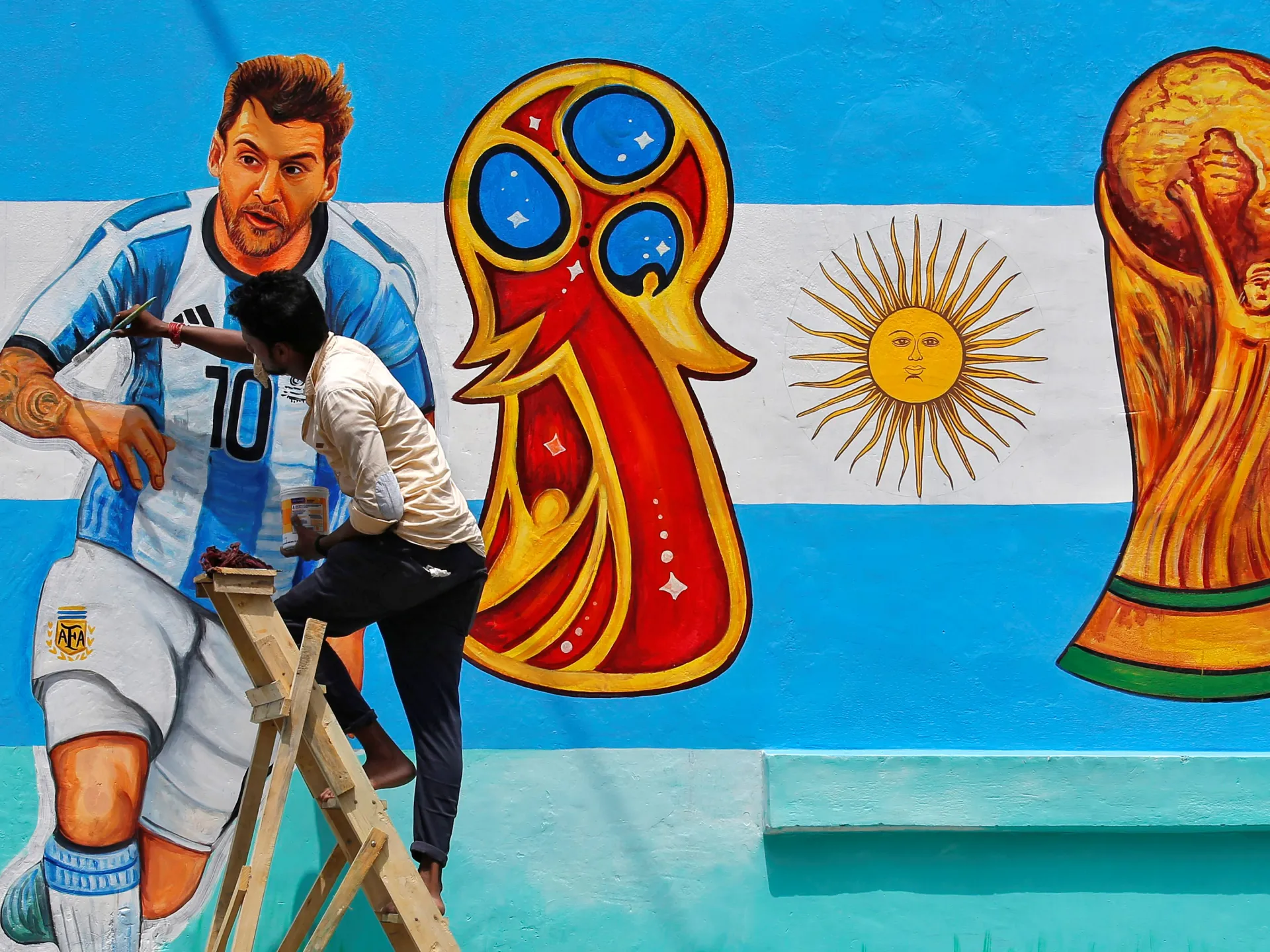
FIFA has confirmed that no official broadcast deals have been signed for the 2026 World Cup in India or China, despite the tournament commencing on 11 June. While the global governing body for football has concluded agreements with broadcasters in at least 175 territories, discussions regarding media rights in these two populous nations remain ongoing and must be kept confidential at this stage.
The lack of confirmed agreements is considered anomalous given historical precedents. During the 2018 and 2022 World Cups, Chinese state broadcaster CCTV secured rights well in advance, allowing for promotional content and sponsor-driven advertisements to air weeks before the event. In 2022 alone, China accounted for 49.8 per cent of all viewing hours on digital and social platforms globally, a statistic that underscores the significance of the current situation.
With the tournament kicking off in less than five weeks, the timeline for finalising deals, setting up broadcast infrastructure, and selling advertising inventory is critically tight. FIFA stated to Reuters that while negotiations are active, no official decision has been announced for either market, creating a gap in the global broadcast landscape for the world's two most populous nations.
The specific reasons for the deadlock in India and China remain undisclosed as FIFA insists on confidentiality. It is currently unclear whether a deal will be finalised before the tournament begins or if fans in these regions will be unable to watch the matches through official channels. The organisation has not provided further details on the nature of the negotiations or the regulatory environments influencing the delay.
While the absence of deals in these markets is unusual, market dynamics and regulatory frameworks in India and China differ significantly from previous years. Claims regarding the severity of the situation should be framed cautiously, as alternative viewing methods or last-minute agreements could still emerge before the event. The uncertainty highlights the complex governance challenges involved in securing media rights for major sporting events in such large and distinct markets.