Cross-border tensions flare as Kabul accuses Islamabad of war crimes in Kunar province
Deputy spokesman Hamdullah Fitrat alleges deliberate targeting of schools and mosques; Islamabad dismisses claims as propaganda amid ongoing security instability
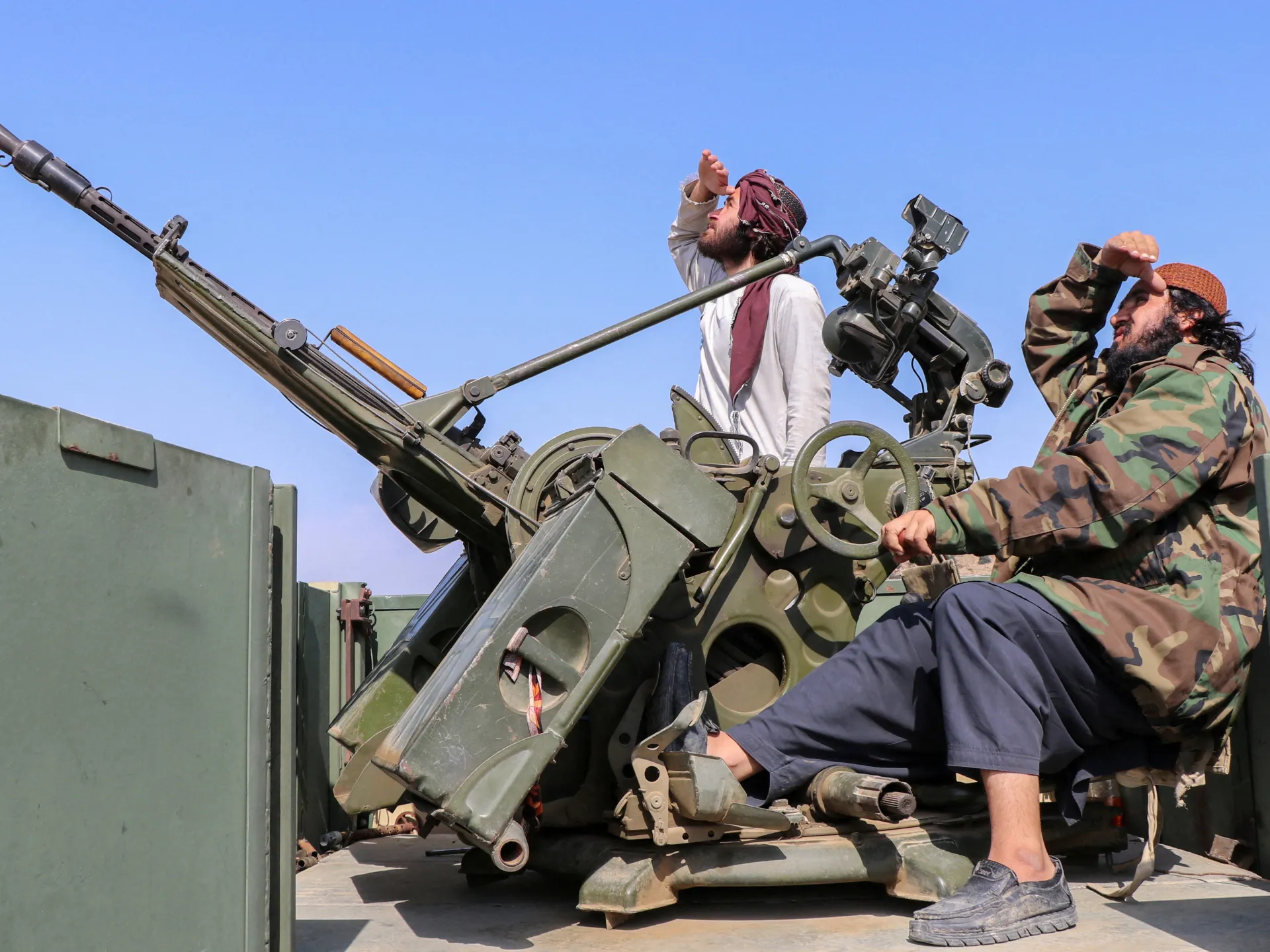
Afghanistan's Taliban-led government has formally accused Pakistan of committing a war crime following a cross-border attack that killed three civilians and injured 14 others. The incident, which occurred on Monday in Dangam, Kunar province, targeted a dense cluster of civilian infrastructure including homes, schools, a health centre, and mosques. This escalation marks the most significant test yet of a fragile ceasefire brokered by China in April, which was intended to halt months of intense fighting that left hundreds dead.
Kabul's deputy government spokesman, Hamdullah Fitrat, confirmed the casualty figures and condemned the strike as a deliberate assault on non-combatants. He asserted that Islamabad intentionally targeted civilian areas along the border to destabilise the region. The allegations have placed immediate strain on diplomatic relations, with the Afghan side demanding accountability for what they describe as a systematic violation of international norms regarding the protection of civilians.
In response, the Pakistani Ministry of Information and Broadcasting has dismissed the accusations as a calculated propaganda effort designed to discredit the state. Officials in Islamabad pointed to inconsistencies in the imagery released by Afghanistan, suggesting the damage patterns were inconsistent with artillery strikes. The ministry hinted that the destruction may have been staged by Kabul to justify further military action or to shift focus from other security failures within Pakistan's borders.
The diplomatic stalemate is compounded by a lack of independent verification regarding the sequence of events and the authenticity of the evidence provided. While the Afghan government maintains the attack was genuine, Pakistani officials argue that the lack of precise intelligence often leads to collateral damage, noting that precision remains a significant challenge for their cross-border operations. This dispute over the nature of the incident highlights the deep mistrust between the two neighbours, who have been locked in a cycle of blame for months.
Tensions are further exacerbated by simultaneous security incidents on the ground. Later on Monday, Pakistani security forces foiled a suicide attack at a checkpoint in Khyber Pakhtunkhwa province, resulting in one death and several injuries before the attacker's vehicle exploded. This event underscores the volatile security environment, where attacks are frequently misattributed or used as political tools by both sides to rally domestic support.
Experts from the Pak Institute for Peace Studies suggest that Pakistan's diplomatic capital is currently low due to an unwillingness to offer concessions to Kabul. Director Muhammad Amir Rana noted that the worsening security situation in Pakistan, particularly since the onset of the war on Iran in late February, complicates the government's ability to conduct effective cross-border operations. With no immediate prospect of a breakthrough, the risk of the April ceasefire collapsing remains high.
The dispute also reignites the long-standing accusation that Afghanistan harbours Tehrik-e Taliban Pakistan (TTP), a militant group waging an armed rebellion against the Pakistani government. While Islamabad has repeatedly cited this as a justification for its military posture, Kabul has consistently denied any complicity, creating a deadlock that prevents meaningful de-escalation.