FIDE suspends Russian membership over occupied territory administration
Russian adult players to compete under neutral flag while juniors retain national representation; federation vows legal challenge
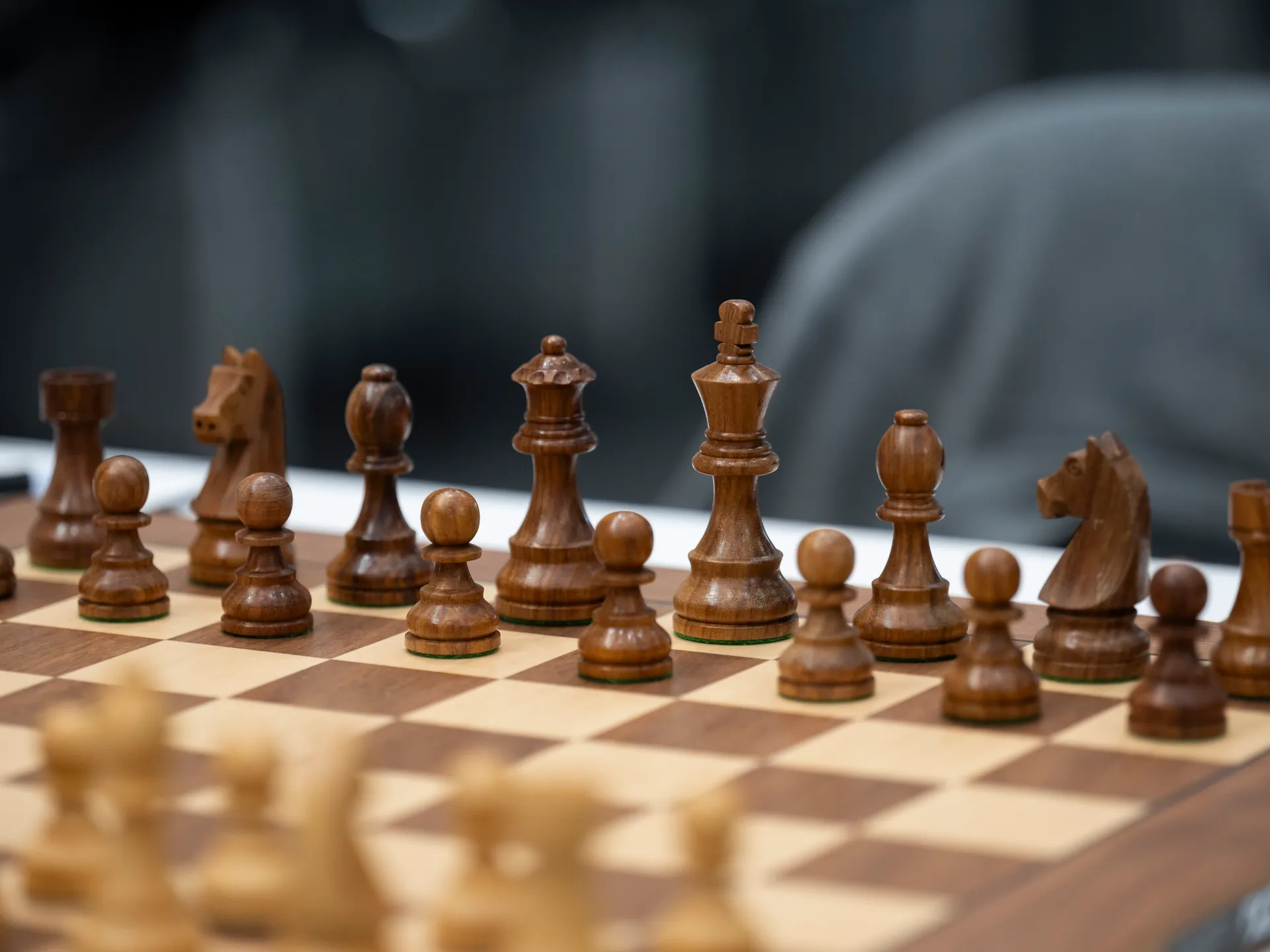
The International Chess Federation (FIDE) has imposed an immediate temporary suspension of Russia’s membership, citing a failure to comply with a March ruling by the Court of Arbitration for Sport (CAS). The decision follows a successful legal challenge by Ukraine, which argued that the Russian Chess Federation had usurped control of chess activities in Ukrainian territories captured by Russian forces since 2022.
CAS had previously ordered Russia to relinquish control of chess bodies in five regions and cease holding tournaments within 90 days. The disputed areas include Crimea, annexed in 2014, and parts of Donetsk, Luhansk, Zaporizhia, and Kherson. FIDE President Arkady Dvorkovich, a former Russian Deputy Prime Minister, confirmed on Wednesday that Moscow had not met the deadline, triggering the suspension with immediate effect.
Under the new sanctions, Russian adult players will participate in FIDE tournaments under the federation’s flag rather than the Russian flag. Junior players retain the right to compete under the Russian flag, while participation in team events remains subject to further FIDE decisions and is likely to require a neutral status. The Ukrainian chess federation described the ruling as a historic victory, marking a significant institutional response to the ongoing conflict.
The Russian Chess Federation, led by Andrei Filatov, stated that its lawyers are reviewing the decision and may launch a legal challenge. The move represents a symbolic blow to a nation that dominated world chess from 1927 to 2007, a period interrupted only briefly by Max Euwe and Bobby Fischer. While Russian dominance has waned in the 21st century, with Norway’s Magnus Carlsen and stars from India and China rising to prominence, the country retains a deep cultural connection to the game.
This suspension contrasts with a recent trend in global sports, including swimming, fencing, and judo, which have begun lifting restrictions on Russian athletes who previously competed as neutrals. Currently, only one Russian player ranks in the world’s top 20, with Andrei Esipenko finishing eighth in the April Candidates Tournament. The dispute highlights the continuing intersection of geopolitical tensions and international sporting governance.