FIA signals serious push to reintroduce V8 engines in Formula 1 by 2031
FIA President Mohammed Ben Sulayem indicates a potential return to traditional power units if manufacturer consensus cannot be reached by 2030
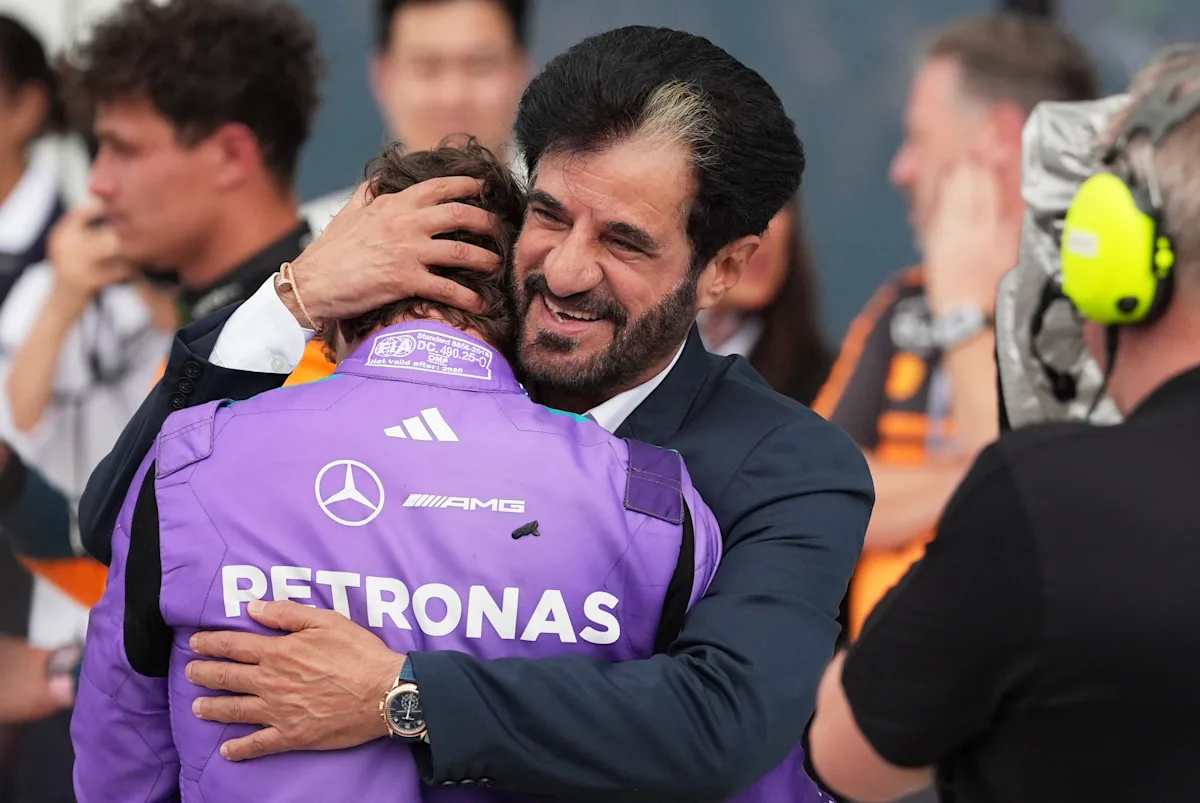
Four races into the 2026 Formula 1 season, FIA President Mohammed Ben Sulayem has publicly indicated a serious push to reintroduce traditional V8 engines by 2030 or 2031. This proposal follows significant backlash from key drivers and fans regarding the current hybrid regulations which prioritise electrical power over internal combustion. The governing body is now reconsidering the trajectory of the sport's powertrain strategy as dissatisfaction mounts within the paddock.
Recent regulatory changes introduced at the Miami Grand Prix have already begun to limit the influence of onboard electrical power, marking a shift from the season's initial 50-50 power split between internal combustion and battery packs. Discussions regarding further regulatory tweaks for the 2027 season are ongoing, potentially continuing the trend of reducing electrical dominance. The Miami event served as the first race under these new rules, resulting in a wide-open competition with four different teams leading before Kimi Antonelli won for Mercedes.
Ben Sulayem stated that while manufacturer agreement is needed for a 2030 return, the FIA would be freer to act unilaterally for a 2031 implementation. A return to V8s would offer better sound, reduced complexity, and lighter weight, hitting all regulatory boxes according to the FIA President. The rationale centres on restoring the distinctive engine noise that has become rare in modern vehicles, while maintaining the use of sustainably-sourced fuel as a concession to environmental goals.
Driver sentiment remains a critical factor in this policy shift, with four-time champion Max Verstappen expressing strong dislike for the current electrical boost system. Verstappen has even questioned his future in the sport due to the reliance on timing electrical recharging rather than pure driving skill. The FIA world typically plans out new regulations years ahead of time, yet the current landscape suggests a willingness to pivot away from heavy electrification if the macroeconomic situation demands it.
The push coincides with shifting global automotive policies, including tighter EV charger rules by the Trump administration and the EU rethinking its 2035 ban on internal combustion engines. There is a growing recognition that the sport cannot be hostage to automotive companies deciding to be part of the competition or not. FIA regulations official Nikolas Tombazis noted that the political landscape has changed since the current regulations were drawn up, with automakers no longer guaranteeing a phase-out of internal combustion engines as previously promised.
While a 2030 return would require consensus from major manufacturers, the FIA seems less keen for F1 cars to resemble daily drivers in the future. The organisation aims to protect the sport from the world macroeconomic situation, ensuring it remains viable regardless of external corporate decisions. This strategic repositioning suggests that the electrical revolution may be losing its spark, with the sport moving towards a model that balances innovation with the demands of the racing community.