FIA designates Austrian Grand Prix as heat-hazard race amid European heatwave
The upcoming race in Austria marks the first heat-hazard designation of the season, triggering mandatory safety measures for drivers as cockpit temperatures are expected to exceed 40C.
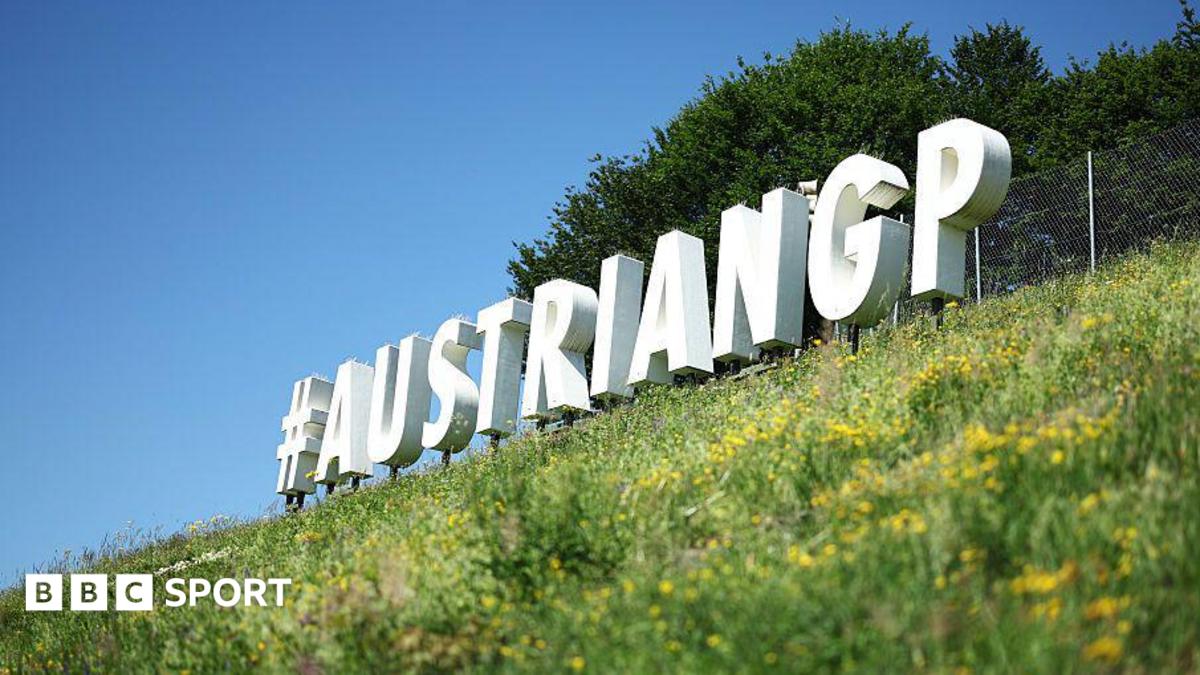
Formula 1’s governing body, the FIA, has officially declared this weekend’s Austrian Grand Prix a heat-hazard race. The designation is triggered by forecast track temperatures reaching 33C, surpassing the 31C threshold required to activate the protocol. This marks the first time the rule has been applied in the current season, following similar designations for the Singapore and United States Grands Prix last year.
The ruling permits drivers to utilise a mandated cooling kit, which circulates cooled liquid, such as glycol, through a network of pipes embedded in a fireproof top worn beneath their overalls. While the use of this system is not compulsory, the regulations enforce competitive parity by requiring any driver who opts out to carry an additional 5kg of ballast in their car.
The decision comes as Europe experiences a significant heatwave, with record temperatures being recorded across multiple countries, including the United Kingdom. The intensity of the conditions is expected to be severe for competitors, with cockpit temperatures in Formula 1 cars capable of exceeding 40C. Drivers are further insulated by multiple layers of fireproof clothing, balaclavas, and helmets, making overheating a serious operational concern.
Despite the safety benefits, the cooling kit has faced resistance from some competitors. Concerns regarding discomfort and technical reliability have led certain drivers to avoid the system. There have been reported issues where the coolant runs out before the conclusion of a race, causing the liquid to heat up to the car’s ambient temperature, which can become significantly hotter than the surrounding air.
The Austrian Grand Prix is scheduled for Sunday, consisting of 71 laps with a start time of 14:00 BST. The application of the heat-hazard rule underscores the increasing logistical and physiological challenges faced by the sport as global temperatures rise.