Fenech acquittal leaves Malta facing unanswered questions over journalist’s murder
The verdict has intensified scrutiny of Malta’s justice system and press freedom, while trial evidence is referred for possible further proceedings.
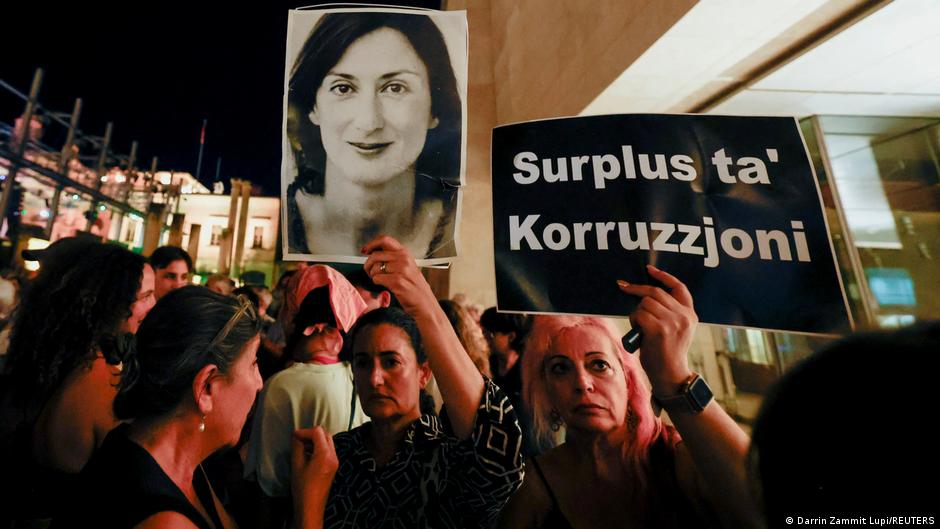
Maltese businessman Yorgen Fenech has been acquitted of complicity in the 2017 murder of investigative journalist Daphne Caruana Galizia, leaving unresolved who commissioned the killing almost nine years after her death.
Eight of nine jurors rejected the prosecution’s case that Fenech ordered the murder. His defence challenged the credibility of key witness Melvin Theuma, who had received a pardon after testifying that Fenech contracted him to organise the killing.
The men who procured, planted and detonated the bomb have been convicted, but the person who allegedly commissioned the attack has not been legally identified. The verdict prompted public outrage in Valletta and criticism from Caruana Galizia’s family.
The case has also renewed focus on institutional failures in Malta. A 2021 official inquiry found that an “atmosphere of impunity” had created conditions in which the murder could occur. The European Commission has since recorded limited progress and said core recommendations remain unfulfilled, including measures to strengthen protections for journalists.
Judge Edwina Grima has ordered that evidence presented at trial be passed to the chief of police, who will decide whether criminal proceedings should be brought against other individuals. Former prime minister Joseph Muscat said further investigations were continuing, according to public prosecutors.
The Institute of Maltese Journalists said the acquittal must be respected as the outcome of the constitutional process but did not close the case. It called on authorities to pursue every line of inquiry, including those involving former high-ranking politicians.