Federal petrol tax suspension requires Congressional action as Trump administration responds to fuel price surge
President Donald Trump has announced plans to suspend the 18-cent federal petrol tax to offset rising prices linked to the ongoing conflict with Iran, though Senator Josh Hawley must now introduce the necessary legislation to authorise the move.
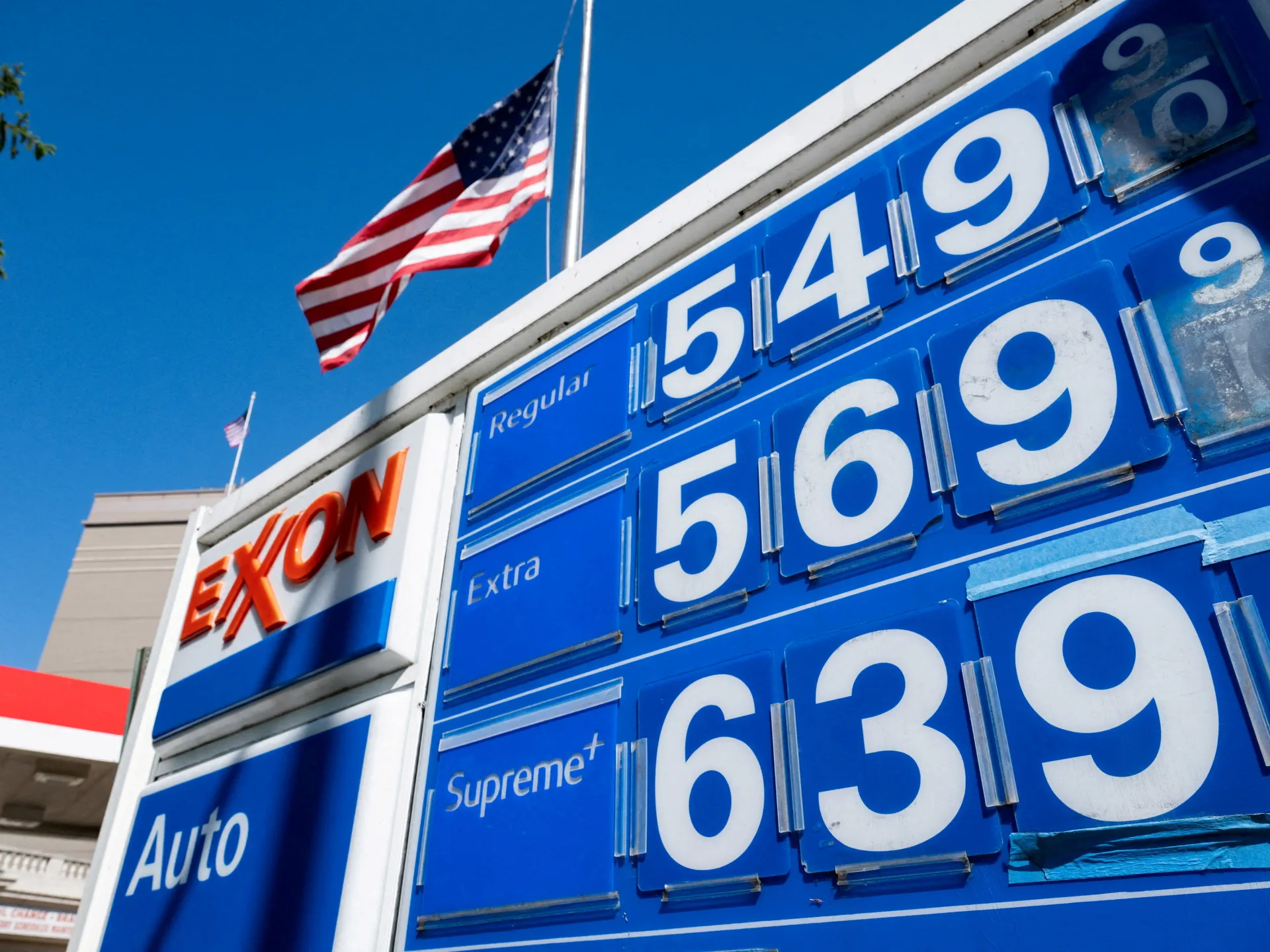
President Donald Trump has stated his intention to suspend the 18-cent federal petrol tax to alleviate the burden of surging fuel costs. This announcement follows reports that a ceasefire between the United States and Iran is effectively stalled, described as being on life support. The decision comes as petrol prices have climbed significantly since the onset of the US-Israel war on Iran in late February.
While the White House has hinted at this policy shift, the legal framework dictates that suspending a federal tax necessitates an act of Congress. Consequently, the administration's declaration alone does not constitute an immediate waiver. Senator Josh Hawley, a key ally of the President, has confirmed he will introduce legislation on Monday to facilitate the suspension of the levy.
The waiver would impact approximately $2.5 billion annually in funds currently allocated to US roadway infrastructure. President Trump indicated to CBS News that the tax would be removed for a period of time, with the expectation that it would phase back in once fuel prices decline. No specific end date has been provided for this suspension.
Market volatility has driven the urgency for such a measure. Brent crude futures rose to $104.46 a barrel, while West Texas Intermediate crude reached $98.32 a barrel. The average price for a gallon of regular petrol has increased from $2.98 at the start of the conflict to $4.52 recently, according to the American Automobile Association.
The potential reduction in federal taxes aligns with broader state-level efforts to provide relief. Governments in Indiana, Kentucky, and Georgia are also considering cuts to their own petrol taxes. Previous similar proposals were made in March by Senator Mark Kelly, a Democrat from Arizona, who suggested suspending the tax until October.
The impact on the aviation sector remains a point of contention. While President Trump stated that a bailout for the airline industry had not been presented and that carriers were performing adequately, Spirit Airlines ceased operations earlier this month citing sustained fuel price increases. Meanwhile, United Airlines raised fares by 20 percent in April in response to the surge in jet fuel costs.