Federal government initiates legal action against four states over ICE vehicle registration
The Trump administration has filed lawsuits against Maine, Massachusetts, Oregon, and Washington, alleging that their refusal to issue confidential licence plates to Immigration and Customs Enforcement vehicles violates federal authority.
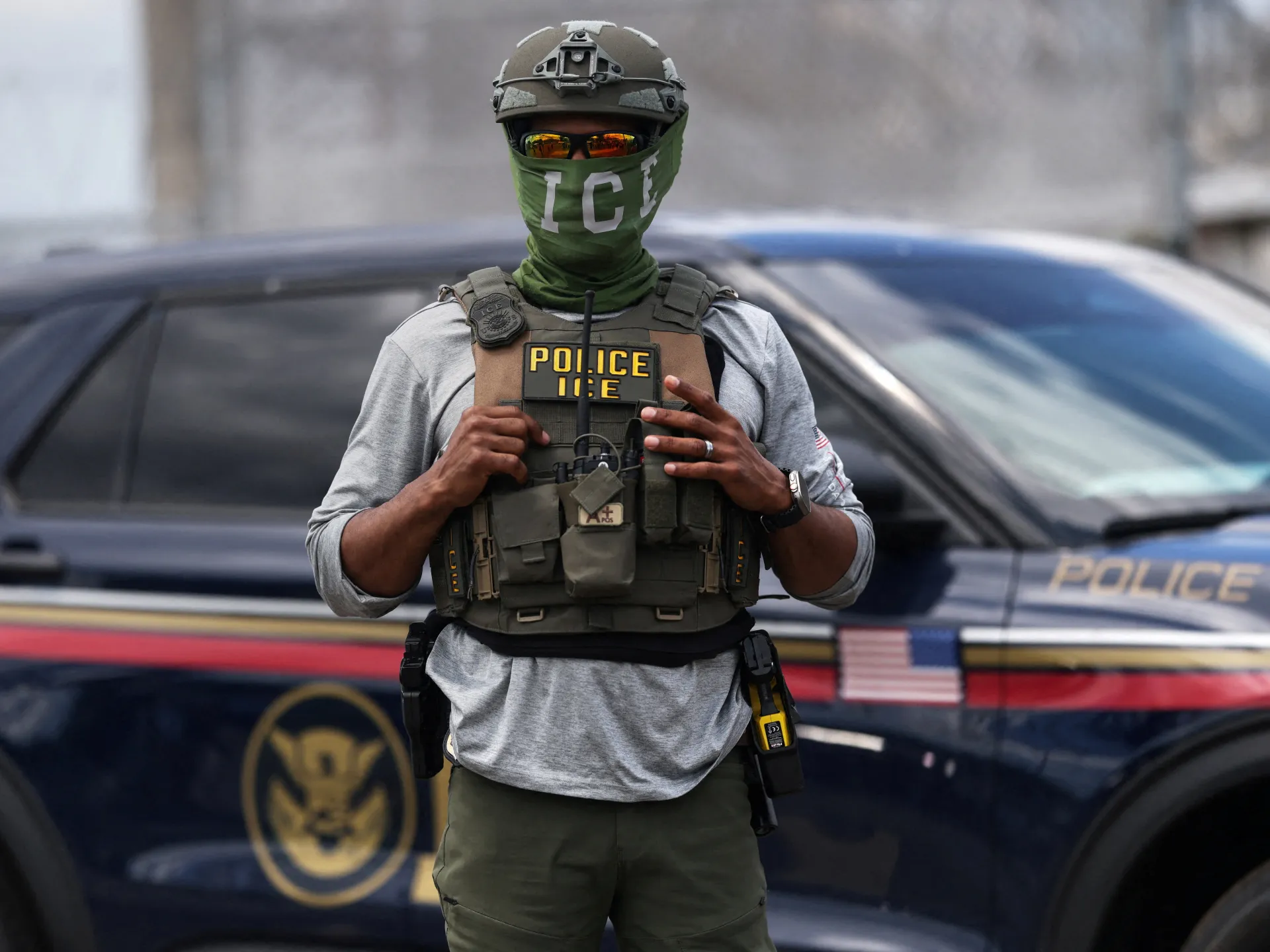
The United States Department of Justice has commenced legal proceedings against four states—Maine, Massachusetts, Oregon, and Washington—accusing them of unlawfully denying confidential licence plates to Immigration and Customs Enforcement (ICE) vehicles. The administration argues that such plates are essential for the operational effectiveness and safety of agents who have reportedly faced targeted harassment, and contends that state refusals constitute a breach of the Constitution’s Supremacy Clause.
Acting Attorney General Todd Blanche characterised the states’ refusal as “discriminatory and obstructionist policies” that undermine federal immigration enforcement. In a statement, Blanche asserted that by denying undercover plates to Department of Homeland Security components while issuing them to state agencies, the governors in question were illegally restricting federal activities. The Justice Department maintains that these actions allow dangerous individuals to evade justice and endanger communities.
Massachusetts Governor Maura Healey rejected the federal demands, arguing that ICE agents should not operate “in secret” without proper oversight. Healey highlighted concerns that the agency has overstepped its authority, including the arrest of US citizens and lawful residents without cause. “We’re not going to help them operate in secret as they take people off our streets without cause,” Healey stated, distinguishing ICE’s activities from legitimate law enforcement work supported by the state.
Oregon has taken a different procedural approach, temporarily pausing all registration for federal vehicles while conducting a legal evaluation. Amy Joyce, an official with Oregon’s Department of Transportation, explained that the pause ensures compliance with state sanctuary laws, which prohibit collaboration with federal immigration enforcement without a judicial warrant. Joyce noted that while federal vehicles can operate on state roads without licence plates, issuing undercover plates is discretionary and not mandated by state law.
The dispute highlights a broader tension regarding accountability and federalism. Several sued states argue that ICE agents primarily pursue civil infractions rather than criminal investigations, and therefore do not qualify for the same protections as other federal law enforcement. Watchdog groups have generally opposed identity-masking for ICE agents, arguing it facilitates violence without accountability. The administration has previously pressured tech companies to remove apps that track ICE agents and dismissed congressional calls for greater agent identifiability.
Vice President JD Vance’s comments on agent immunity have further complicated the political landscape. Following the shooting of Minneapolis resident Renee Nicole Good by an ICE agent, Vance initially stated the agent was protected by “absolute immunity,” though he later walked back that specific assertion. The legal battle now centres on whether states are obliged to provide specific types of vehicle registrations to federal agencies, or if motor vehicle departments remain under state control.
As the lawsuits proceed, the administration is likely to face significant legal hurdles. While the Justice Department argues that federal law takes precedence, states retain general authority over their motor vehicle departments. The outcome of these cases will determine the extent to which state sanctuary laws and sovereignty can limit federal immigration enforcement tactics.