Fed holds rates steady as inflation data complicates Trump’s economic claims
While President Donald Trump cited falling prices and rising markets as signs of success, new data reveals real wages contracted and core costs remain elevated, prompting the Federal Reserve to maintain its current policy stance.
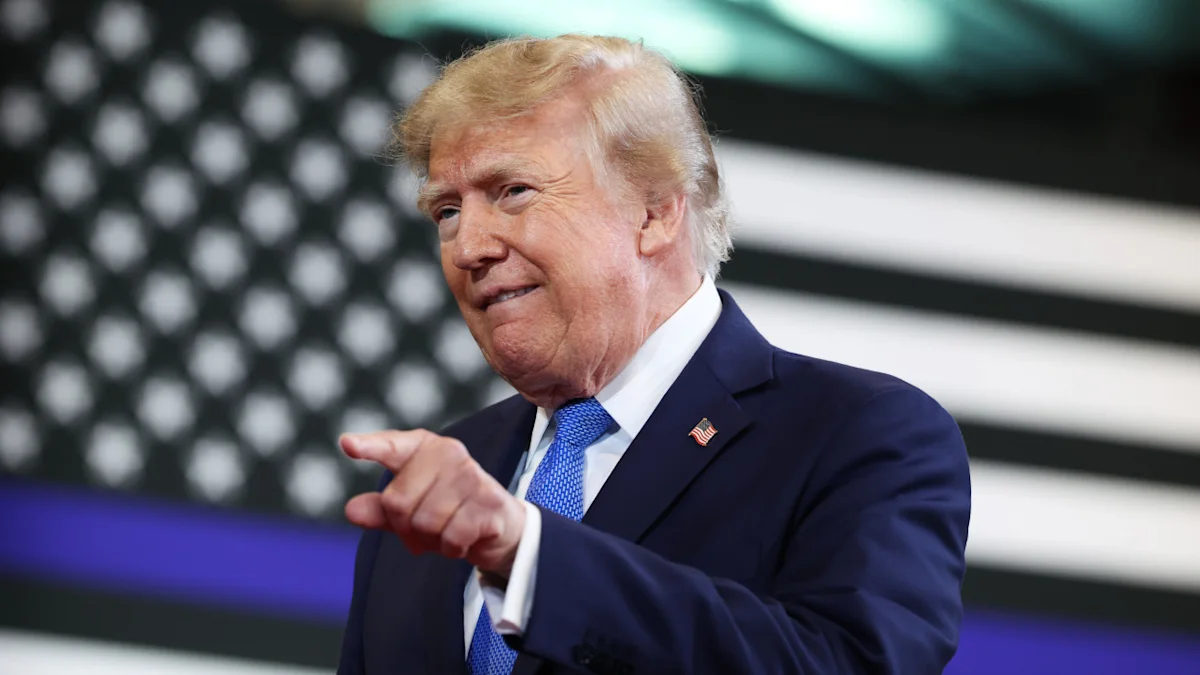
President Donald Trump stated in Ohio on 11 August that prices are dropping rapidly, citing the stock market and employment as indicators of economic success. However, July inflation data presents a more nuanced picture for investors and policymakers. The Consumer Price Index rose 3.4% year-on-year, a slight easing from the 3.5% rate recorded in June, yet the overall price level remains significantly above the Federal Reserve’s 2% target.
The monthly data showed a 0.1% increase in the CPI from June to July. While declines in gasoline, which fell 2.9%, and grocery prices, which dropped 0.1%, provided some relief, these were offset by increases in shelter, health care, and airline fares. The Federal Open Market Committee noted in its latest statement that inflation remains elevated relative to its 2 percent goal, underscoring that a cooling rate does not equate to falling prices.
In response to the mixed economic signals, the Federal Reserve held its benchmark interest rate steady at 3.5% to 3.75%. The decision reflected the committee’s cautious approach, with three policymakers voting for a rate hike, indicating internal disagreement on the pace of monetary policy adjustment. The central bank’s stance highlights the ongoing challenge of balancing price stability with broader economic conditions.
For workers, the data suggests a continued affordability squeeze. According to the Bureau of Labor Statistics, real wages declined by 0.2% in July, meaning average hourly earnings were down 0.2% from a year earlier when adjusted for inflation. Although nominal wages and salaries increased 3.3% over the 12 months ending in December 2025, this growth roughly kept pace with inflation rather than dramatically outpacing it, limiting the purchasing power gains for many households.
Despite the persistent cost of living pressures, asset markets have shown resilience. Fidelity reported that the average 401(k) balance hit $141,000 in the first quarter of 2026, an 11% increase from the previous year. However, this figure represented a 4% decline from the prior quarter, illustrating the volatility of retirement savings. The divergence between market performance and everyday inflation underscores the complexity of the current economic landscape, where nominal gains do not always translate to improved financial security for all investors.