Fed hikes rates for first time since 2023, setting new benchmark at 3.75% to 4.00%
The US central bank has increased its benchmark interest rate, a move expected to ripple through bank lending costs and potentially lift auto loan rates for consumers.
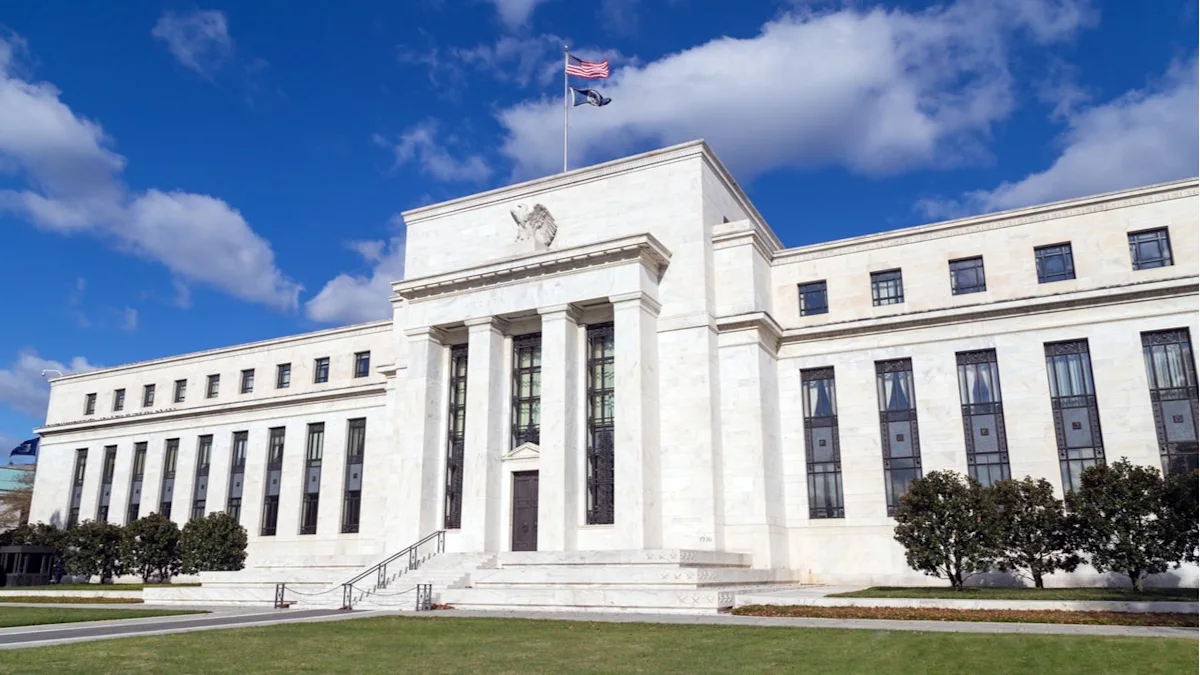
The Federal Reserve has raised its benchmark interest rate at its September 2026 meeting, marking the first increase since 2023. The central bank set the new target rate between 3.75% and 4.00%, a decision that is expected to influence the cost of borrowing for banks and, subsequently, private lenders.
While the Federal Reserve’s decisions do not directly dictate specific consumer loan rates, they establish the cost for banks to borrow money from one another. This benchmark serves as a foundation for private lenders when setting their own rates for short-term consumer lending, including personal and auto loans. Consequently, a higher federal funds target rate generally leads to higher costs for these financial products.
Auto loan rates are primarily tied to the prime rate, which is influenced by the Federal Reserve’s actions. However, the exact rate a borrower receives is not determined solely by the Federal Open Market Committee’s decisions. Individual rates also depend on factors such as the borrower’s credit score, the type of vehicle being financed, and the time of year. A prime credit score is typically defined as 660 and above, which is essential for securing the most favourable terms.
Since the beginning of 2022, there have been 11 rate increases, which initially raised financing costs. Subsequent rate decreases led to lower average auto loan rates through the end of 2025 and into 2026. The most recent increase in September 2026 reverses this trend, although the full impact on consumer auto loan rates will not be known until the market adjusts to the new benchmark.
For borrowers, the shift implies that variable-rate loans may see interest rate increases, while new loans are likely to be more expensive. The Federal Reserve’s meetings provide a transparent view of the economic outlook, signalling how interest rates are expected to shift. Until rates fall significantly, borrowers are advised to maintain strong credit scores and compare offers from multiple lenders to navigate the current borrowing environment.
According to reporting by Bankrate, the relationship between the federal funds rate and auto loan rates is a domino effect rather than a direct control. While the current federal funds rate dictates the general range of available auto loan rates, a borrower’s financial history remains the primary factor in determining the final amount paid.