FCC set to vote on repealing 39% TV ownership cap in regulatory shift
The US Federal Communications Commission will vote on 6 August to repeal the National Television Ownership Rule, a move expected to benefit large broadcasters like Nexstar Media Group while drawing sharp criticism from dissenting commissioners and media advocacy groups.
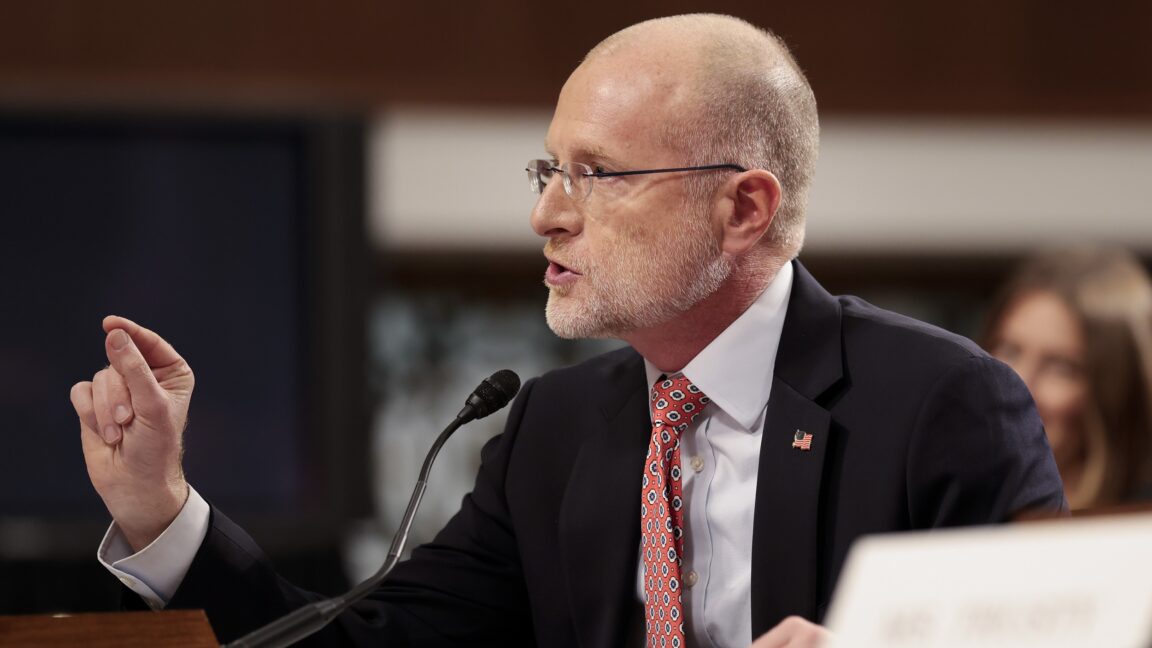
The US Federal Communications Commission is scheduled to vote on 6 August to repeal the National Television Ownership Rule, which currently restricts a single broadcast station owner from reaching more than 39% of US television households. FCC Chairman Brendan Carr has proposed replacing the statutory cap with a case-by-case review process for proposed mergers, arguing that the current limit hinders local broadcasters' ability to compete with digital platforms and national networks.
Carr detailed the proposal in an op-ed published on Breitbart, stating that the FCC possesses the authority to modify or waive the rule under its rulemaking powers. He contends that the change will promote localism, viewpoint diversity, and competition, alleging that many local stations have become mouthpieces for programming produced in New York and Hollywood. The chairman has previously argued that trust in legacy national media is low, particularly among Republicans, and that empowering local stations is necessary to serve community needs.
The move is expected to benefit large media groups, particularly Nexstar Media Group, which has publicly supported the repeal. Nexstar completed its acquisition of Tegna on 19 March 2026, a deal that would have allowed it to reach over half of US TV households under the current cap if not for a federal judge's order halting integration pending an antitrust case brought by DirecTV. Under the UHF discount calculation, Nexstar currently reaches 54.5% of households, though its reach would be between 70% and 80% without this specific accounting method.
Commissioner Anna Gomez, the sole Democrat on the three-member FCC, condemned the plan as an unlawful effort to hand control of the public airwaves to billionaire allies of the administration. She argued that only Congress can alter the statutory limit, citing a 2004 amendment to the Telecommunications Act of 1996 that explicitly barred the FCC from granting waivers to the 39% cap. Gomez warned that the change would destroy local newsrooms and drive up costs for families who depend on local stations for news and emergency alerts.
Media advocacy groups, including The United Church of Christ Media Justice Ministry and Public Knowledge, have filed arguments supporting the view that the FCC lacks the authority to bypass the limit. Meanwhile, the National Association of Broadcasters and Nexstar have argued that decades-old restrictions are out of step with the modern media marketplace dominated by competitors such as YouTube, Amazon, and CNN. The planned vote is certain to face legal challenges as the commission proceeds with the regulatory overhaul.